The mainstream energy press is obsessed with a countdown that doesn't exist. You’ve seen the headlines: "Iran’s Storage is Full," "The Tanker Glut is Peak Capacity," or the classic "Tehran is Running Out of Options." It’s a tidy, linear narrative that makes for great charts but ignores the gritty, chaotic reality of how sanctioned oil actually moves in 2026.
If you believe the "storage clock" is about to hit zero, you’re looking at the wrong map. You’re measuring a ghost.
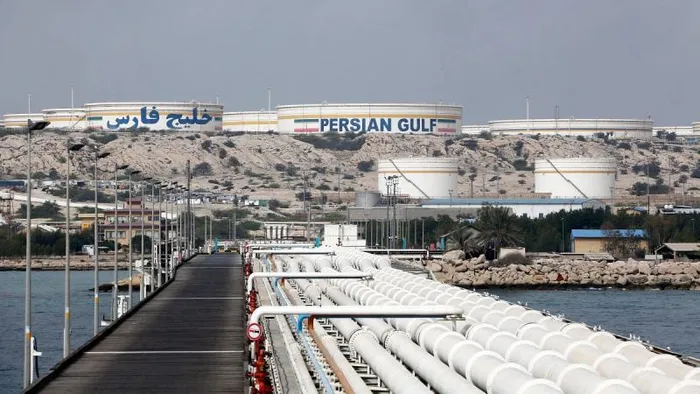
Analysts sitting in glass towers in London or New York look at satellite imagery of Kharg Island or the floating storage off the coast of Fujairah and see a bottleneck. I’ve watched these same firms predict a "total shutdown" of Iranian exports every eighteen months for the last decade. They fail because they treat Iranian logistics like a transparent, Western corporate supply chain. It isn't. It is a sprawling, multi-nodal, and highly elastic shadow network that thrives on the very "limits" that the West thinks will break it.
The Ghost Fleet is Not a Static Warehouse
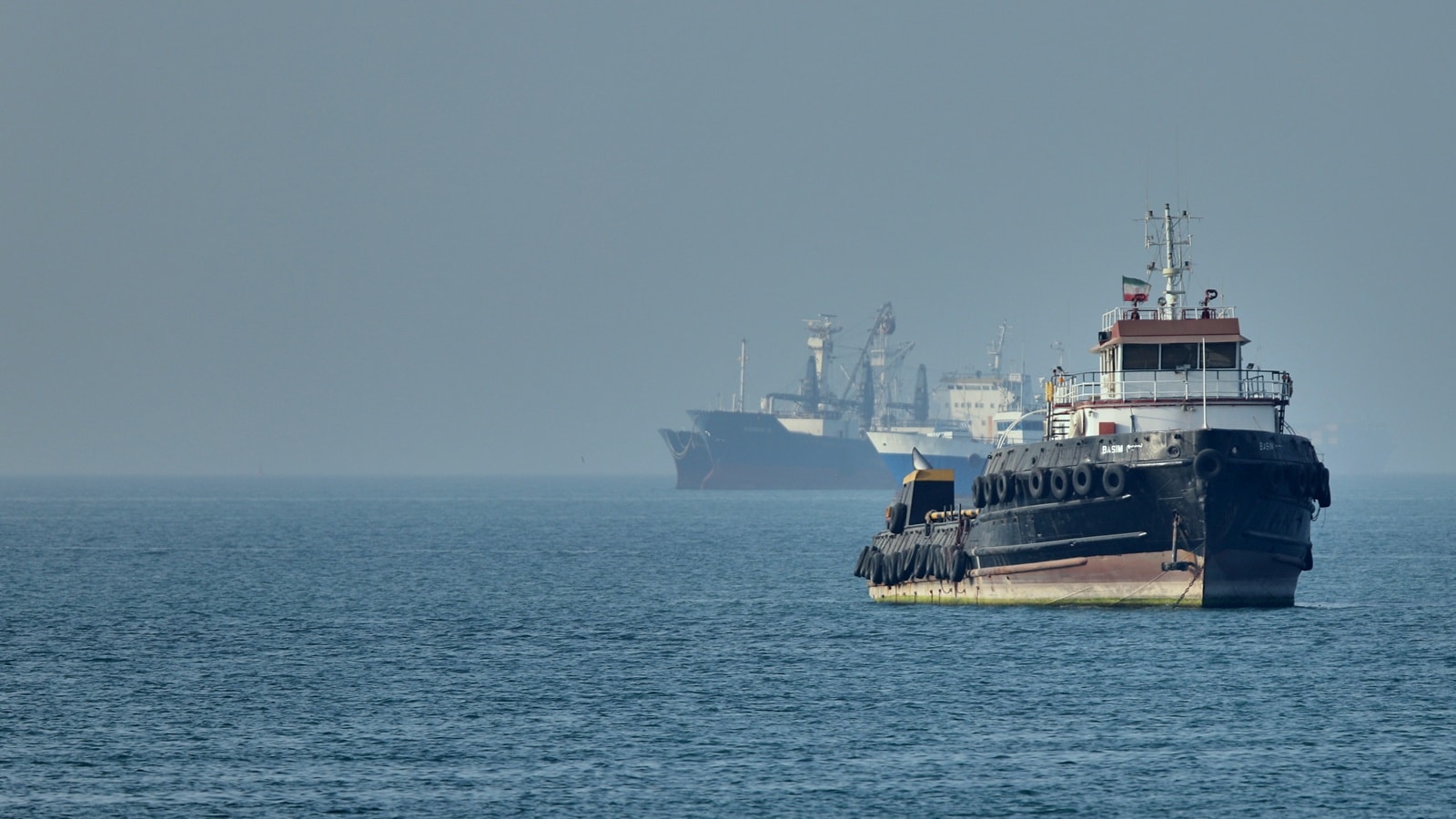
The biggest mistake is treating a VLCC (Very Large Crude Carrier) as mere storage. In the world of sanctioned trade, a tanker isn't just a container; it’s a shell company on water.
The "storage clock" theory assumes that once every hull is full, the taps must turn off. This ignores the "Ship-to-Ship" (STS) shell game that has reached a level of sophistication that traditional tracking software cannot parse. We aren't seeing a pile-up; we are seeing a massive, floating transit hub.
When a vessel sits off the coast of Malaysia for three weeks, the "storage" hawks mark it as a sign of weakness. In reality, that vessel is likely being used as a blending station. Iranian Light is mixed with other grades, rebranded as "Malaysian Blend" or "Omani Crude," and moved onto "clean" vessels. The storage "limit" is constantly being reset because the oil is constantly changing its identity.
The China Factor: Demand is the Real Tank
You cannot talk about Iranian storage without talking about the "Teapot" refineries in China’s Shandong province. The consensus view says China will eventually stop buying if their own inventories get too high or if the diplomatic heat turns up.
Wrong. For the private Chinese refiners, Iranian crude isn't just a commodity; it’s the lifeblood of their competitive edge against state-owned giants like Sinopec. They aren't buying based on a "just-in-time" delivery model. They are buying based on a "buy-everything-at-a-steep-discount" model.
As long as the price remains $10, $15, or $20 below Brent, the "storage" capacity of the Chinese private sector is effectively infinite. They will build more pits, use more rural bunkers, and keep the flow moving. The Iranian "clock" only ticks if the buyer stops. And as long as China needs to fuel its industrial machine with cheap energy to offset its domestic economic headwinds, the buyer isn't stopping.
Logic Check: The Cost of Shutting In
The "storage is full" crowd also fundamentally misunderstands the physics and economics of oil wells. You don't just "turn off" a massive, aging reservoir like Ahvaz or Gachsaran without risking permanent damage to the field’s pressure and ultimate recovery.
Iran knows this. They would rather dump oil into the Persian Gulf or burn it off (if they absolutely had to) before they shuttered major production nodes. But they don't have to.
The Resilience of Domestic Consumption
Mainstream reports focus almost exclusively on exports. They ignore the fact that Iran has been aggressively expanding its domestic refining capacity. By converting more of its crude into gasoline and petrochemicals for the regional black market—Iraq, Afghanistan, Pakistan—Tehran creates its own internal "storage" by moving the product down the value chain.
http://googleusercontent.com/image_content/239
A barrel of oil turned into a barrel of low-grade gasoline is a barrel that never shows up on a "floating storage" satellite report. It’s invisible. It’s gone.
The Data Trap
Why is the "consensus" so consistently wrong? Because it relies on visible data.
- AIS Transponders: These are routinely turned off or spoofed. A tanker might show as "full and anchored" while it’s actually being emptied via a sub-sea pipeline or an unmonitored STS transfer.
- Satellite Imagery: Clouds, "spoof" vessels, and nighttime operations make visual confirmation a guessing game.
- Official Customs Reports: Relying on official Chinese or Iranian customs data is like asking a magician how the trick works.
I’ve seen traders lose hundreds of millions betting on a supply squeeze because they thought "the tanks were full." They weren't. They were just looking at the tanks Iran wanted them to see.
Stop Asking "When Will it Run Out?"
The question itself is flawed. It assumes a finite capacity in a system built on infinite obfuscation.
The real question is: What is the price of the risk?
As long as the "shadow fleet" can operate with a certain level of impunity, the storage clock is irrelevant. The limit isn't physical space; it’s the tolerance of the international banking system and the willingness of the U.S. to actually enforce secondary sanctions on Chinese banks.
Until you see a major Chinese bank get disconnected from SWIFT for processing Iranian oil payments, the oil will keep moving. The tankers will keep "storing" oil for three days before magically turning into "Omani" exports.
The Actionable Reality
If you are an investor or a policy analyst, stop waiting for the "pop."
- Discount the "Full Storage" Reports: Every time a major news outlet runs a story about Iranian storage hitting 90%, it’s usually a signal that a new round of creative "blending" is about to begin.
- Watch the Middlemen: The health of the Iranian oil trade is found in the balance sheets of small, obscure trading houses in Dubai and Singapore, not in the volume of the tanks at Kharg.
- Understand the "Teapots": If the Shandong refineries are humming, the Iranian oil is moving. Period.
The "clock" is a distraction for people who prefer simple answers to complex, dirty problems. Tehran has been playing this game since 1979. They didn't survive decades of sanctions by being unable to manage a few million barrels of excess inventory.
The tanks aren't full. They're just deeper than you're allowed to see.