Every few months, international relations Twitter and lazy energy desk reporters fall for the exact same trap. A diplomatic handshake happens in Muscat or Tehran, a vague memorandum of understanding gets translated through three layers of state media, and suddenly the commentariat is screaming about a geopolitical earthquake. The latest casualty of this chronic analytical laziness is the supposed revenue-sharing agreement between Iran and Oman over the Strait of Hormuz.
Stop buying the fantasy.
I have spent the better part of two decades watching energy markets react to phantom treaties. I have seen desks blow millions on volatility spikes driven by headlines that vanished the moment anyone checked the actual legal text. The consensus narrative says Iran and Oman are carving up the maritime tollbooth of global crude. The reality is far more mundane, far more cynical, and entirely toothless.
The Sovereignty Myth That Everyone Ignores
Let us start with the geography and the international law that actual maritime attorneys understand, even if Washington think-tank analysts prefer to ignore it.
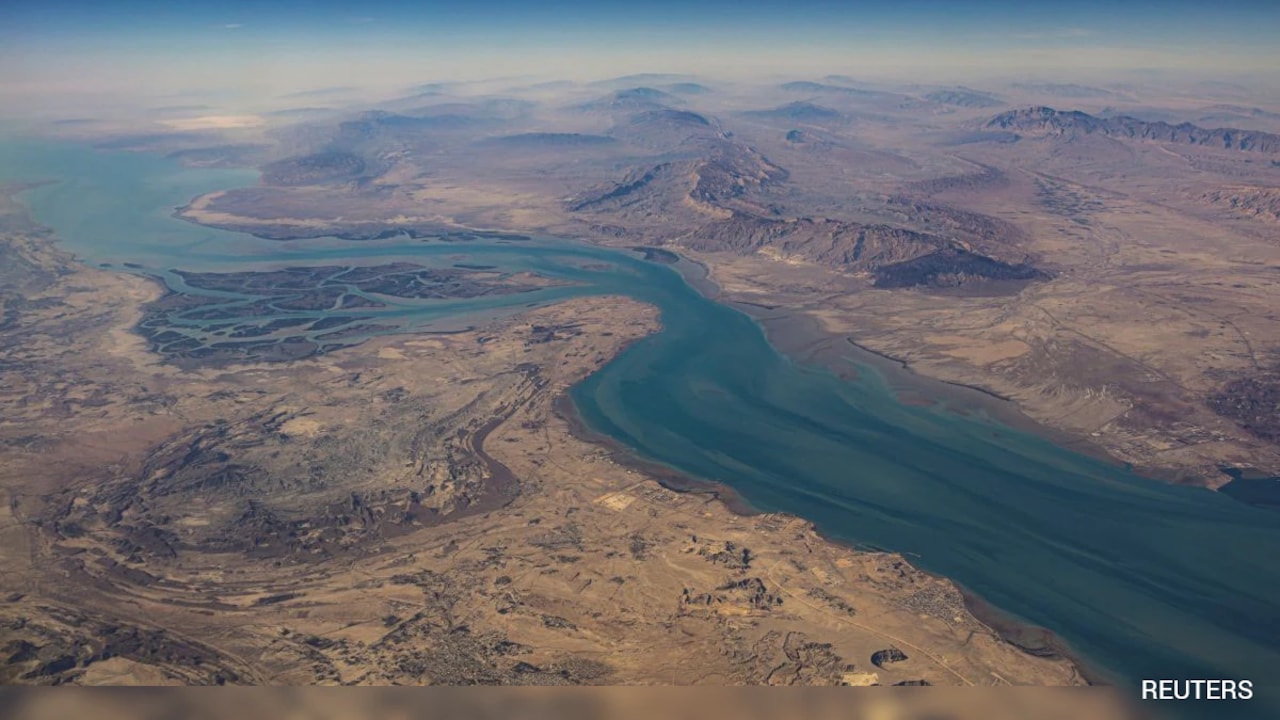
Under the United Nations Convention on the Law of the Sea, which Iran famously signed but never ratified and Oman approaches selectively, the Strait of Hormuz is defined as an international strait used for navigation. Ships do not roll up to a drive-thru window and pay a toll to transit international waters. They exercise transit passage.
The lazy narrative assumes Tehran and Muscat can simply set up a joint collection agency and start skimming a percentage of every very large crude carrier sliding past Musandam. That assumes Oman has the appetite to alienate the entire Western-backed maritime insurance market and invite secondary sanctions just to help Tehran monetize a choke point they do not actually own.
Oman plays a very specific, highly lucrative game in the Persian Gulf. They are the eternal Switzerland of the Middle East. Their entire foreign policy rests on being the honest broker, the backchannel host, and the neutral party that allows the United States Navy to talk to the Iranian Revolutionary Guard Corps without starting World War Three. Why on earth would the Sultanate risk that pristine neutrality for a fractional share of theoretical shipping taxes that international law says they cannot legally levy in the first place?
They wouldn't. The agreement is not about revenue-sharing. It is about diplomatic theater.
What Is Actually Happening Behind Closed Doors
When you strip away the press releases designed for domestic consumption in Tehran, this deal is about localized border demarcation, minor fisheries cooperation, and low-level logistical transshipment. It is about keeping the peace in the narrow waters where Omani and Iranian territorial seas overlap in the Musandam exclave.
Iran needs diplomatic wins. When your economy is choked by sanctions and your currency is sliding into oblivion, you need state television to broadcast images of foreign ministers shaking hands and signing leather-bound folders. You need to project an image of regional integration. Oman is happy to oblige because playing along with a harmless memorandum costs them nothing and keeps their volatile neighbor across the water feeling important.
To understand why this matters, look at how financial markets react versus how physical cargo moves.
Algorithms scrape the phrase "Strait of Hormuz revenue" and trigger automated buying programs in crude futures. Day traders panic. Then, forty-eight hours later, physical traders who actually charter tankers look at the reports, shrug, and keep moving oil at the exact same freight rate. The market corrects because the smart money knows you cannot collect revenue on water you cannot legally gatekeep.
The Real Choke Point Is Not Legal, It Is Kinetic
If you want to understand risk in the Persian Gulf, stop looking at revenue-sharing treaties and start looking at naval architecture and mine countermeasures.
The threat in the Strait of Hormuz has never been about commercial taxation. It has been about asymmetric disruption. Iran does not need a revenue-sharing agreement with Oman to close or disrupt the strait; they have thousands of fast attack craft, anti-ship cruise missiles, and naval mines capable of sending insurance rates through the ceiling overnight.
When analysts confuse diplomatic window-dressing with economic reality, they miss the actual mechanics of risk management. Real maritime risk is priced into hull insurance and War Risk Surcharges by Lloyd's of London syndicates, not by joint ministerial committees meeting in regional hotels. Until Lloyd's alters its underwriting behavior based on an enforceable, legally binding transit protocol—which this Iranian-Omani MOU most certainly is not—the headline is nothing more than digital noise.
Imagine a scenario where a tanker captain actually receives a radio demand from a joint Iranian-Omani patrol boat demanding a transit fee. Within seconds, that vessel alerts its protection and indemnity club, the flag state's naval attaché in Bahrain gets patched in, and diplomatic channels light up with threats of asset freezes. Muscat knows this. Their foreign ministry is staffed by some of the sharpest pragmatic diplomats on the planet. They are not about to trigger a naval standoff for a slice of Iranian shadow-fleet petroleum trades.
How to Trade the Noise
Stop trading headlines. Start trading incentives.
When you see a regional cooperation agreement announced between a heavily sanctioned pariah state and a neutral mediator, run a simple checklist before adjusting your exposure:
- Check the enforcement mechanism: Is there an independent international arbitration court named, or does it rely on domestic courts in Tehran? If it is the latter, the contract is worth less than the paper it is printed on.
- Follow the insurance: Have marine underwriters changed their risk radius or pricing models? If the guys paying out billions in claims are ignoring the news, you should too.
- Analyze the domestic audience: Who is this announcement meant for? If the primary beneficiary is a regime facing domestic unrest, treat every word as domestic propaganda rather than corporate strategy.
The Iran-Oman revenue-sharing story is a masterclass in how modern media amplifies wishful thinking into a consensus delusion. The strait remains free, the tolls remain a legal impossibility, and the real power in those waters continues to rest at the end of a missile battery, not inside a ledger.
Stop reading the press releases. Look at the water.