Five people are dead, eight remain hospitalized, and at least 82 residents across Manhattan’s Upper East Side have contracted a severe bacterial pneumonia in a cluster that has baffled public health agencies. Laboratory analysis confirmed live Legionella pneumophila in 34 cooling towers across 33 properties in ZIP codes 10028, 10075, and 10128. Despite aggressive cleaning protocols across 82 structures, city inspectors still cannot point to a single root source. The failure to isolate the precise culprit reveals a systemic breakdown in municipal oversight, mechanical maintenance routines, and urban water infrastructure management.
Legionnaires' disease is not a novel threat. It was identified nearly half a century ago, yet major metropolitan centers continue to suffer predictable, seasonal outbreaks. The mechanism is straightforward: when water harboring Legionella bacteria is misted into the air by cooling towers, evaporative condensers, or decorative fountains, nearby pedestrians inhale aerosolized droplets. Once inside the lungs, the bacteria multiply, causing high fever, respiratory failure, and organ damage, particularly in elderly or immunocompromised individuals.
The Flaws of City Water Inspections
When an outbreak hits a dense residential district, the public playbook follows a familiar pattern. Public health officers dispatch teams, order mass testing, and issue emergency remediation mandates to building managers. What the official briefings omit is that city agencies are perpetually fighting a backward-looking battle.
By the time a clinical case of Legionnaires’ disease is reported to municipal health authorities, two to fourteen days have passed since the initial bacterial inhalation. Cultures must be grown in specialized laboratories, requiring another week or more for definitive confirmation. By the time inspectors scramble onto rooftop cooling systems, the microclimate inside those tanks may have shifted entirely due to weather changes, automated chemical dosing, or emergency maintenance performed by alarmed building superintendents.
The city authorized an expansion of its specialized water ecology staff following a fatal outbreak in Harlem that killed seven people and infected over a hundred residents. City officials promised 56 dedicated specialists to monitor the thousands of registered cooling towers operating across the five boroughs. The health department currently operates with 35 active inspectors, while another 14 remain trapped in monthslong onboarding and training cycles.
Inspectors are understaffed. They are outmatched by the sheer volume of mechanical equipment generating moisture across the skyline.
MUNICIPAL WATER INSPECTION PIPELINE (COMMUNITY CLUSTER RESPONSES)

  +-----------------------+
  |  Infection & Exposure |  <-- Day 0: Exposure to aerosolized Legionella
  +-----------+-----------+
              |
              v
  +-----------------------+
  | Incubation & Symptoms |  <-- Days 2-14: Patient develops severe pneumonia
  +-----------+-----------+
              |
              v
  +-----------------------+
  | Clinical Diagnosis    |  <-- Patient hospitalized; urine antigen or sputum test
  +-----------+-----------+
              |
              v
  +-----------------------+
  | City Notification     |  <-- Health department flags spatial cluster of cases
  +-----------+-----------+
              |
              v
  +-----------------------+
  | Field Sampling        |  <-- Rapid PCR testing & slow 7-to-14-day culture growth
  +-----------+-----------+
              |
              v
  +-----------------------+
  | Remediation Orders    |  <-- Hyperchlorination and mechanical cleaning mandated
  +-----------------------+
Why Routine Chemical Dosing Fails
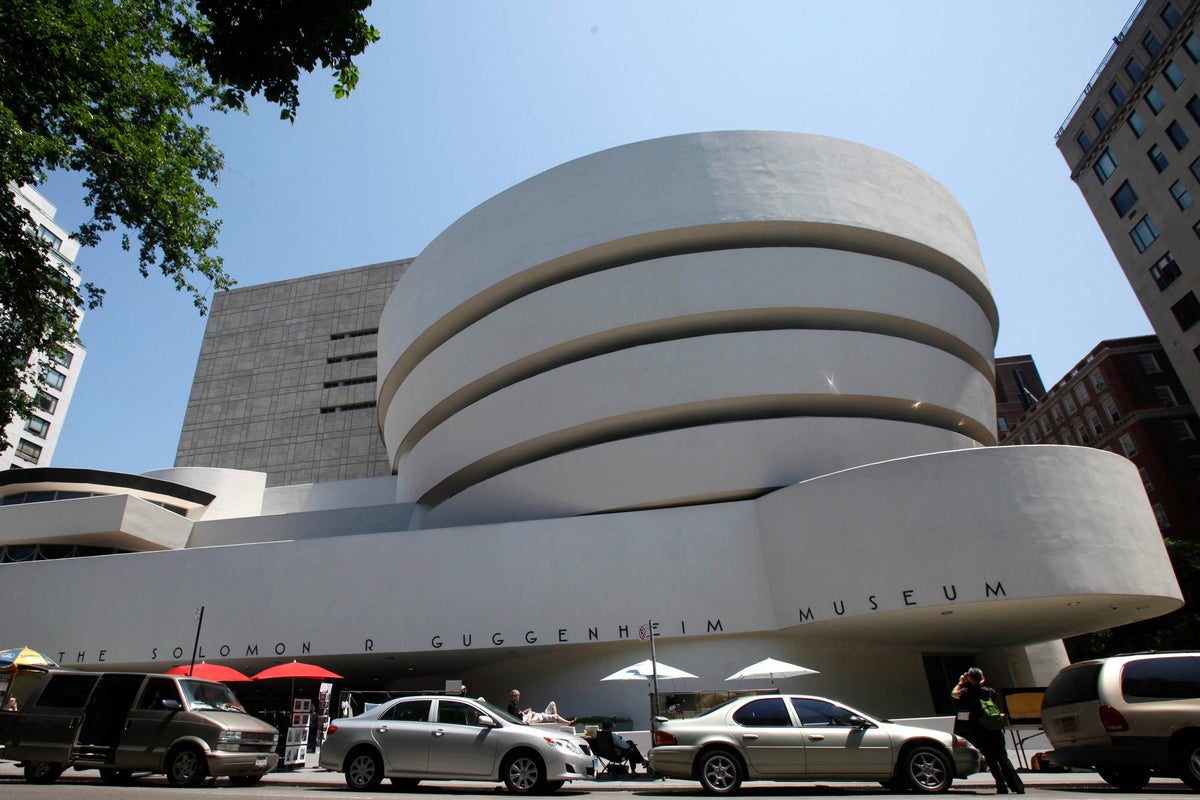
Building owners frequently claim full compliance with existing mandates. High-end residential co-ops, private educational facilities, and cultural institutions point to monthly service logs signed by third-party water treatment vendors. The Guggenheim Museum, located directly within the affected Upper East Side corridor, confirmed that its cooling tower undergoes monthly professional testing and chemical application. Yet, culture tests revealed live bacteria in its equipment alongside dozens of residential properties nearby.
The discrepancy stems from how building mechanical systems are maintained in practice versus how regulations assume they operate.
The Illusion of Monthly Testing
A single monthly water sample provides a momentary snapshot. It tells a facility engineer what existed in a sample bottle at 10:00 AM on a Tuesday. It says nothing about what happens 48 hours later when a summer heatwave spikes ambient temperatures, driving up cooling loads and exhausting chemical biocides far faster than automated pumps replenish them.
Biocide Resistance and Biofilms
Legionella bacteria rarely float free in open water. They hide inside complex biological slimes called biofilms that line the interior walls, drift eliminators, and basin floors of cooling towers.
- Standard chlorine doses often fail to penetrate deep biofilm layers.
- Free-floating bacteria are killed, giving false confidence during basic water tests, while the core bacterial colony inside the biofilm survives intact.
- When system fans kick on during peak demand, fragments of this contaminated matrix break free and enter the mist stream discharged into the street below.
| System Parameter | Typical Compliance Standard | Operational Reality During Heatwaves |
|---|---|---|
| Biocide Dip Frequency | Monthly or Bi-Weekly | Rapid depletion within 24–48 hours of heavy AC usage |
| Testing Methodology | Basic Dip-Slide / PCR | PCR detects dead DNA; culture growth takes up to 14 days |
| Biofilm Management | Periodic Surface Clean | Deep pipe scale and basin corners remain untreated |
| Tower Registration | Self-Reported Registry | Unregistered or newly modified units bypass oversight |
The Physics of Urban Aerosol Drift
pinpointing a single cooling tower as the "patient zero" of an outbreak assumes that bacteria remain localized. In reality, modern skyscraper engineering creates micro-environmental wind currents that scatter contaminated droplets far beyond a single block.
When a cooling tower on a 30-story building ejects warm, vaporized water, that air does not fall straight down. It hits high-altitude thermal currents, urban canyon winds, and HVAC intake valves of neighboring buildings. A single high-volume unit discharging active bacteria can seed air miles away, contaminating surrounding air space and making spatial tracking a logistical nightmare for public health tracking software.
This urban drift explains why culture tests identified live bacteria across 34 distinct cooling systems scattered throughout the Upper East Side. When multiple towers in close proximity suck in surrounding ambient air, cross-contamination occurs rapidly. A poorly maintained unit on one block can disperse drift that settles into the basin of a clean unit down the street, creating a cascade of secondary contamination points across an entire neighborhood.
Regulatory Overhaul Without Operational Accountability
Following earlier municipal outbreaks, the city enacted stringent rules requiring tower registration, quarterly testing, and annual certifications. On paper, the city possesses one of the most comprehensive regulatory structures in the nation. In practice, those rules rely heavily on self-policing by property managers who outsource liability to low-bid chemical contractors.
Many third-party contractors use generic biocide formulas designed for general corrosion control rather than targeted bacteriological eradication. When testing yields a positive result, building managers are permitted to execute a rapid chemical flushing, re-test the water, and return to normal operations without undergoing an independent audit of their mechanical design or maintenance history.
This creates a cycle of reactive flush-and-fill operations. The bacteria are temporarily suppressed, the building receives a clean bill of health, and six months later—when summer humidity peaks again—the biofilm repopulates the water loop.
Modernizing Water Infrastructure Oversight
Stopping recurring outbreaks requires moving past emergency cleaning orders and addressing the structural gaps in urban facility management.
Real-Time Sensing Over Manual Sampling
Manual water sampling is obsolete for high-risk environmental pathogens. Commercial buildings must be incentivized or required to install continuous inline sensors that monitor biocide concentration, pH, oxidation-reduction potential (ORP), and water temperature in real time. When chemical levels drop below lethal thresholds for bacterial growth, automated alerts should immediately notify both building operators and municipal monitoring systems.
Enforcing Biological Audits
Chemical treatment logs should no longer serve as sole proof of compliance. Independent third-party auditors—unconnected to the chemical vendors selling the treatment products—must perform physical inspections of basin interiors, mist eliminators, and internal pipework to evaluate biofilm accumulation directly.
Closing the Staffing Deficit
Municipal health departments cannot safeguard millions of residents while operating with nearly 40 percent of their dedicated water ecology posts vacant. Hiring processes must be streamlined, and compensation structures adjusted to recruit certified industrial hygienists capable of conducting immediate, technical inspections without waiting months for administrative onboarding.
The Upper East Side outbreak is not an isolated anomaly or an act of nature. It is the direct consequence of relying on sporadic manual checks, reactive testing protocols, and an overstretched regulatory apparatus to manage a preventable biological hazard embedded in modern urban infrastructure. Until municipal authorities enforce continuous monitoring and structural accountability across building operations, urban cooling towers will continue to function as vector distribution networks every summer.