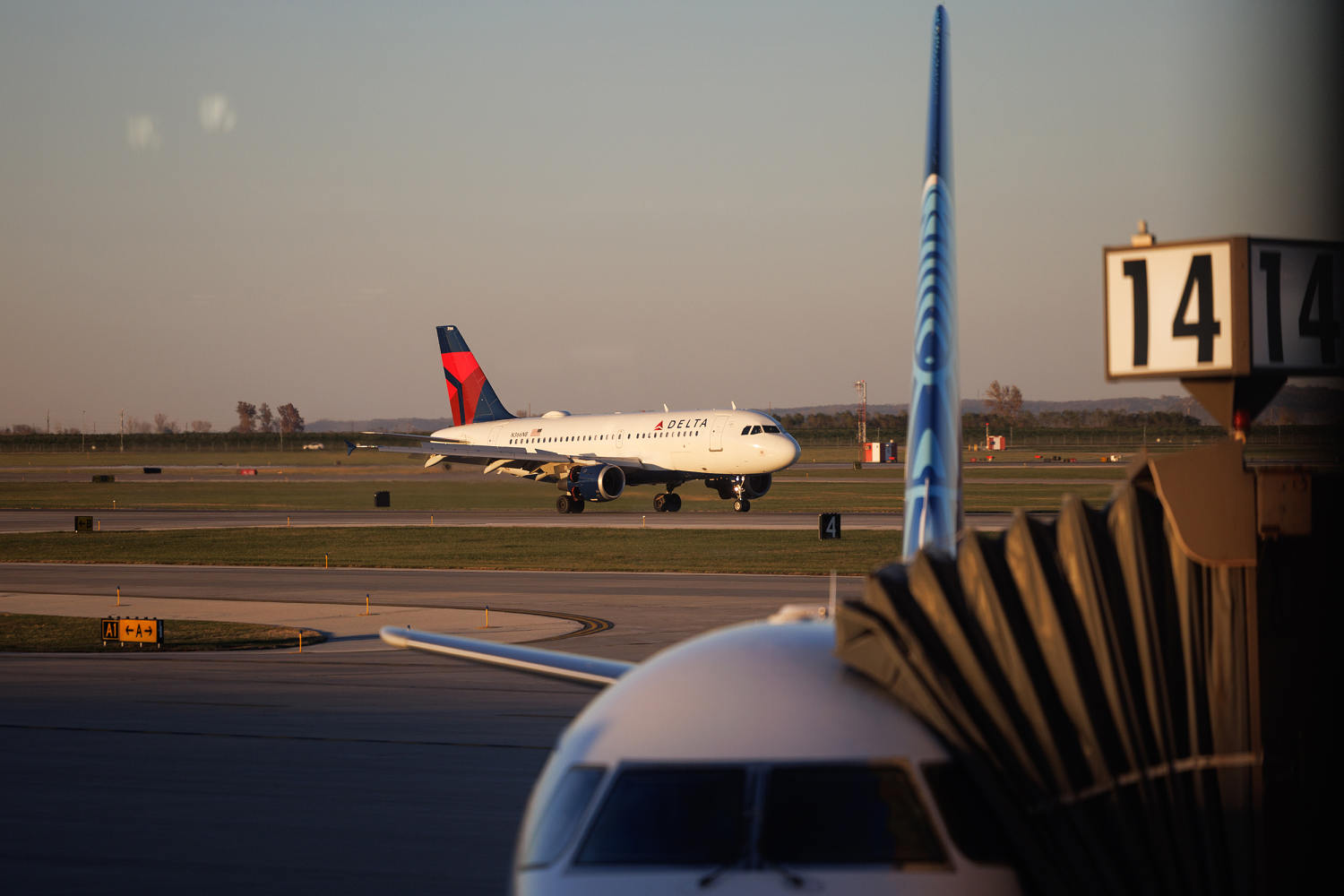
Flight operations connecting the United Arab Emirates and Saudi Arabia face severe disruption as regional security alerts force airlines to extend route suspensions and reroute commercial air traffic across the Middle East. Passengers transiting through Dubai International Airport, Zayed International Airport in Abu Dhabi, and major Saudi hubs like Riyadh and Jeddah are experiencing immediate cancellations, prolonged delays, and sudden schedule overhauls. If you hold a ticket between the UAE and Saudi Arabia, or plan to connect through either nation onto long-haul European or Asian corridors, your flight status is actively vulnerable to rolling 24-hour operational freezes.
Most travelers view a cancelled flight through the narrow lens of a ruined weekend or a missed business meeting. They stare at the red text on the departure board and blame the carrier. That perspective misses the machinery grinding beneath the tarmac. Aviation across the Arabian Peninsula does not operate as a collection of isolated point-to-point routes; it functions as a tightly pressurized hydraulic system. When geopolitical friction forces a single valve shut over Saudi airspace or the surrounding waterways, the backpressure threatens to blow the seals off global transit hubs from London to Singapore. For another look, consider: this related article.
The Architecture of Gulf Airspace Chokepoints
To understand why a localized security flare-up triggers cascading UAE flight cancellations, you have to look at a map of the region's upper airspace. Commercial jets do not fly in straight lines. They travel along invisible highways known as Air Traffic Service (ATS) routes, strictly defined corridors governed by international treaties, military exclusion zones, and sovereign radar coverage.
The Persian Gulf and the Arabian Peninsula sit at the dead center of the most heavily trafficked aviation crossroads on Earth. Nearly every widebody aircraft moving between Europe and Asia or Australasia funnels through a remarkably narrow geographic neck. To the north sits airspace affected by ongoing conflicts in the Levant and Iraq. To the east lies Iranian airspace, which carriers routinely avoid or navigate with extreme caution during periods of heightened military posturing. To the south stretches the vast expanse of Saudi Arabia and the Rub' al Khali desert, bordered by the Red Sea and Yemen. Further reporting regarding this has been published by National Geographic Travel.
When regional tensions escalate, aviation regulators issue Notices to Airmen (NOTAMs) or conflict zone advisories. Airlines do not wait for missiles to enter commercial flight levels before pulling the plug. Insurance underwriters dictate the tempo.
Aviation hull and war-risk insurance policies contain strict geographic exclusions. If a carrier flies a $300 million Boeing 777 or Airbus A380 into an airspace sector suddenly reclassified as high-risk by London underwriters, that aircraft effectively flies uninsured. No publicly traded airline or sovereign-backed flag carrier will take that gamble. Consequently, when security alerts spike, dispatchers immediately strip affected Saudi and regional sectors from their flight-planning software.
The Domino Effect on Hub-and-Spoke Schedules
Dubai, Abu Dhabi, and Doha built their empires on the hub-and-spoke model. Unlike point-to-point budget airlines that fly an aircraft back and forth between two cities, mega-carriers rely on synchronized arrival and departure banks.
Consider a hypothetical example of how a single morning bank works in Dubai. Between 05:00 and 07:00, forty widebody jets touch down from Europe and North America. Thousands of passengers sprint across the concourses to board fifty connecting flights departing between 07:30 and 09:30 for destinations across South Asia, East Africa, and the Gulf Cooperation Council (GCC) states, including Riyadh, Jeddah, and Dammam.
Now introduce a sudden Saudi airspace restriction or a unilateral decision by carriers to suspend Saudi routes for 48 hours.
- Aircraft Misalignment: A plane scheduled to fly a short hop from Abu Dhabi to Riyadh and return in time to operate a long-haul evening flight to Frankfurt is now grounded or stuck out of position.
- Crew Duty Time Limits: Pilots and cabin crew operate under unforgiving legal fatigue rules. When a flight is rerouted around a restricted corridor, adding ninety minutes of flight time over the Arabian Sea or Egypt, the crew frequently "times out" upon landing. Without a fresh reserve crew waiting at the outstation, the return flight cancels automatically.
- Gate Gridlock: Airports like Dubai International operate near maximum physical capacity during peak waves. When outbound flights to Saudi Arabia cancel, those aircraft remain parked at contact gates or remote stands, starving incoming long-haul flights of places to unload passengers.
Why Saudi Routes Are Ground Zero for Cancellations
The air corridor between the UAE and Saudi Arabia ranks among the busiest international city pairs in the world. Before recent disruptions, dozens of daily frequencies linked Dubai and Abu Dhabi with Riyadh and Jeddah. Business executives, diplomatic delegations, religious pilgrims heading to Mecca and Medina, and migrant workers rely on this shuttle like a commuter train.
High frequency makes the route uniquely fragile during security escalations. Because airlines deploy massive capacity on these short-haul sectors—often utilizing widebody twin-aisle jets rather than smaller single-aisle planes—a suspension wipes out tens of thousands of seats overnight.
Furthermore, the geography of the UAE-Saudi border leaves almost zero margin for creative rerouting. When flying between Europe and Asia, a dispatcher can push a flight path three hundred miles north over Turkey or three hundred miles south over Oman and the Arabian Sea. You cannot easily detour around Saudi Arabia when Saudi Arabia is your destination. If security protocols restrict approach vectors into Riyadh or coastal corridors along the Persian Gulf, the flight simply cannot launch.
The Hidden Economics of Rerouting
Even when flights between the UAE and Saudi Arabia—or long-haul flights skirting the region—are not outright cancelled, they undergo expensive, invisible contortions.
When carriers are forced to abandon standard Upper Information Regions (UIR) and dogleg around conflict-adjacent zones, fuel burn skyrockets. A detour adding just forty-five minutes to a widebody flight consumes thousands of extra kilograms of Jet-A1 fuel. Carrying that extra fuel makes the aircraft heavier, which in turn burns even more fuel just to keep the extra weight airborne—a punishing aerodynamic tax known in the industry as the cost of carriage.
On flights operating near the edge of their maximum range, airlines face an ugly choice. To carry the extra contingency fuel required for a longer, tension-induced detour, they must strip weight off the aircraft. Cargo gets left sitting on the tarmac in Sharjah or Dubai. In extreme cases, airlines block off seats and bump paying passengers even though the plane is mechanically sound and the weather is clear.
Airlines also pay overflight fees to every country whose airspace they cross. These charges are calculated based on the aircraft's maximum takeoff weight and the distance flown within a nation's sovereign borders. When regional tensions force dozens of Gulf carriers to abandon one country's airspace and crowd into an adjacent neighbor's corridors, two things happen simultaneously: the sudden bottleneck causes severe air traffic control delays, and the airlines' monthly overflight bills surge as they traverse longer distances through higher-tariff zones.
What Airlines Are Not Telling Stranded Passengers
During acute UAE flight disruptions, corporate communications teams go into lockdown. Press releases rely on sanitized, passive language: "Due to evolving regional developments, select services have been temporarily adjusted."
Behind the customer service counter, the reality is far messier, and passengers who understand the internal mechanics of airline operations have a massive advantage over those who simply wait in line.
The "Rolling Cancellation" Trap
Airlines hate cancelling flights days in advance. Once a carrier officially cancels a flight, regulatory frameworks in many jurisdictions—such as UK261 or EU261 for itineraries originating in Europe—trigger strict passenger care obligations, including hotel accommodation, meal vouchers, and mandatory rerouting on rival airlines.
Instead, operations centers frequently rely on rolling delays and short-window extensions. They extend a Saudi route suspension in 24-hour increments, hoping the geopolitical temperature drops before they have to dismantle the entire week's schedule. For the traveler, this creates purgatory. Your app shows the flight is still scheduled for tomorrow morning, preventing you from claiming a free refund under voluntary cancellation rules, right up until three hours before departure when the automated system finally axes the leg.
Code-Share Confusion and Interline Friction
Many travelers booking trips involving the UAE and Saudi Arabia hold tickets issued by one airline but operated by another. You might buy a ticket through a European or American carrier, fly into Abu Dhabi, and connect onto a regional partner bound for Jeddah.
When regional tensions fracture the schedule, code-share agreements become bureaucratic minefields. The operating carrier controls the aircraft and makes the decision to cancel, but the marketing carrier—the airline whose three-digit numeric code appears at the start of your e-ticket number—controls the money and the rebooking authority. During mass disruptions, passengers bounce back and forth between transfer desks, each airline claiming the other holds responsibility for reissuing the ticket.
Tactical Survival Guide for Gulf Transit Travelers
If you are currently holding a booking through the UAE, planning travel to Saudi Arabia, or routing through the Middle East during heightened security alerts, standard travel advice will leave you sleeping on terminal carpet. You need to operate with the same cold pragmatism as an airline network dispatcher.
1. Audit Your Ticket Stock Immediately
Look at your confirmation receipt and find the 13-digit ticket number. The first three digits identify the validating carrier (for example, 176 belongs to Emirates, 607 to Etihad, 065 to Saudia). If your itinerary mixes airlines, direct all rebooking demands to the carrier that owns those first three digits. Do not waste hours arguing with a ground agent for an operating partner who lacks system permissions to alter your fare basis.
2. Bypass Airport Desks for Out-of-Region Call Centers
When five thousand passengers get dumped into Terminal 3 in Dubai or Terminal A in Abu Dhabi simultaneously, local customer service queues stretch for hundreds of meters. Worse, local agents are often restricted by regional station managers from booking passengers onto rival airlines outside their immediate alliance.
Instead of joining the physical line, open an international calling app and dial the airline's customer service desk in a completely different time zone—such as their Sydney, London, or New York offices. Agents sitting in quiet call centers thousands of miles away from the chaos have full access to the same Global Distribution System (GDS) inventory, more time to manually construct complex multi-carrier routings, and zero crowd pressure breathing down their necks.
3. Propose Specific Alternative Routings
Never call an airline agent during a regional crisis and ask, "What can you put me on?" Automated rebooking algorithms will simply dump you onto the next available flight on that same airline, which during a multi-day Saudi suspension might be four days away.
Before you call, search live flight availability yourself using flight-tracking tools or airfare search engines. Identify specific flights with open seats on partner airlines or carriers utilizing alternative hubs—such as routing via Muscat, Cairo, Amman, or Istanbul, depending on which corridors remain open. Feed the agent the exact flight numbers, dates, and routing sequence. Making their job effortless dramatically increases the odds they will override system blocks to get you moving.
4. Know the Limits of Travel Insurance
Standard travel insurance policies almost universally contain a war and civil unrest exclusion. If your flight between the UAE and Saudi Arabia is cancelled due to military action or government-declared security zones, your insurer will likely deny claims for non-refundable hotels, missed cruises, or replacement tickets purchased out-of-pocket.
Do not buy a replacement ticket on another airline with your own credit card assuming your travel insurance will reimburse you later. Force the original airline to reissue your existing ticket onto an alternative carrier through an involuntary reroute endorsement. Under international aviation protocols, when a carrier cancels a flight for operational or security reasons, they are obligated to get you to your final destination or refund the unused portion—even if they have to endorse your ticket over to a competitor.
5. Monitor NOTAMs and Flight Radar, Not Just Airline Apps
Airline passenger apps are notoriously slow to update during rapidly evolving geopolitical events. Operations teams prioritize crew scheduling and air traffic control coordination long before updating consumer-facing notification feeds.
Watch live flight-tracking maps over the Persian Gulf and Arabian Peninsula. If you see commercial air traffic suddenly clearing out of a specific sector, or widebody jets executing sharp 180-degree turns mid-flight to return to their origin airports, you have a two-to-four-hour head start on the general public. Use that window to secure hotel rooms near the airport or lock in backup refundable seats before the wave of cancellations officially hits the departure boards.
The Structural Reality of Middle East Aviation
The modern aviation network in the Gulf was engineered for peak efficiency under blue-sky conditions. For three decades, carriers in the UAE and Saudi Arabia have poured hundreds of billions of dollars into megaprojects—massive new airport terminals, record-breaking aircraft orders, and global tourism campaigns designed to turn the Arabian Peninsula into the indispensable transit lounge of the twenty-first century.
That concentration of traffic is both the region's greatest economic asset and its sharpest vulnerability. When geopolitical friction flares, there is no spare airspace sitting idle in a warehouse, and no backup fleet of widebody jets waiting to absorb the shock. Until regional security stabilizes and airspace corridors reopen without restriction, every traveler moving through the Gulf is flying on a tightrope stretched directly over a fault line—and your best defense is refusing to wait until your flight turns red on the board before making your move.