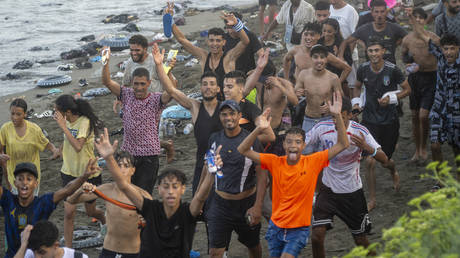
Migration corridors shift with the quiet inevitability of tectonic plates. Spain sits at the frontline of a maritime route that connects West Africa to the European Union, transforming coastal towns into focal points for international debate. Headlines often reduce these complex population movements to simplistic talking points. Extreme rhetoric floods digital platforms, weaponizing demographic shifts for political polarization. Beneath the superficial noise lies a gritty reality of strained municipal resources, labor shortages, and geopolitical chess matches that stretch from Madrid to Brussels.
Understanding the contemporary Spanish migrant phenomenon requires looking past the ideological theater. Tens of thousands of individuals arrive annually on the shores of the Canary Islands and the southern Andalusian coast, driven by economic stagnation, climate pressures, and political instability across the Sahel and North Africa. Spain functions as a primary gateway, yet its policies are heavily constrained by European Union border frameworks like the Schengen Area and Dublin Regulation. These regulations place the burden of initial reception disproportionately on frontline states, creating friction within domestic governance.
The Economic Engine and the Labor Paradox
Public discourse frequently paints migration solely as a security threat or a humanitarian crisis. It rarely examines the structural reliance of the domestic economy on foreign labor. Agriculture in regions like Almería, construction, and hospitality sectors depend heavily on undocumented or newly arrived workers.
Entire harvest cycles in southern greenhouses would collapse without this workforce. Wages in these sectors often remain low, and working conditions can be precarious, creating a dual economy that absorbs cheap labor while keeping workers marginalized.
This creates a stark policy paradox. Employers lobby for regularisation pathways to fill critical gaps in an aging labor market. Simultaneously, conservative political factions demand stricter border enforcement to curb irregular arrivals. The state attempts to balance these competing pressures through periodic amnesties and bureaucratic bottlenecks, leaving hundreds of thousands in legal limbo.
Geopolitical Leverage Points
Migration is never just a domestic issue. It functions as a diplomatic instrument. Relations between Spain and North African nations, particularly Morocco, are deeply intertwined with border control agreements.
Madrid relies on Rabat to stem departures from its coastline. This dependency gives Morocco significant diplomatic leverage in bilateral disputes over territorial waters, fishing rights, and the political status of Western Sahara.
When diplomatic tensions flare, arrival numbers fluctuate. Observers note that border enforcement often correlates directly with the state of diplomatic channels. This dynamic turns human mobility into a bargaining chip in regional power struggles, affecting individuals who risk their lives on open ocean crossings.
Municipal Strain and Social Cohesion
National capitals debate policy in air-conditioned committee rooms, but local municipalities bear the immediate cost. Small towns in the Canary Islands find their public infrastructure overwhelmed by sudden influxes of arrivals. Reception centers reach maximum capacity quickly, forcing local governments to improvise housing solutions in hastily converted military barracks or tourist accommodations.
Funding from central government ministries often lags behind the actual demands on the ground. Healthcare systems face acute pressure, particularly in processing medical screenings and providing psychological support for survivors of harrowing sea journeys. Social workers operate on razor-thin budgets, navigating cultural barriers and bureaucratic inertia.
Despite these strains, grassroots solidarity initiatives persist alongside growing political resistance. Neighborhood associations mobilize volunteers to distribute food and clothing. At the same time, nationalist political parties capitalize on local anxieties, framing demographic changes as an existential threat to traditional culture. This polarization deepens urban-rural divides within the country, as inland regions with low immigrant populations view the phenomenon differently than coastal hubs directly experiencing the arrivals.
The Limits of EU Solidarity
Brussels preaches solidarity, yet internal EU policy remains fractured. Quota systems for relocating asylum seekers among member states consistently fail. Wealthier northern capitals often resist mandatory distribution, leaving southern entry points to manage the influx largely on their own.
Financial aid packages arrive from the European Commission, intended to upgrade border surveillance technology and fund repatriation flights. Critics argue these funds treat the symptoms rather than the root causes of irregular migration. Without robust legal migration pathways and genuine economic development partnerships with countries of origin, maritime routes will continue to adapt to enforcement measures.
Smuggling networks demonstrate high resilience. As maritime patrols increase along traditional routes, departures shift to longer, more dangerous paths originating further south. The human cost rises correspondingly, documented by missing persons reports and migrant advocacy groups tracking vessel disappearances in the Atlantic.
The future of Spanish migration policy hinges on navigating these competing pressures without falling back on empty rhetoric. Sustainable management demands honest engagement with labor market realities, equitable burden-sharing across the continent, and pragmatic diplomacy that addresses the drivers of displacement at their source. Until political systems prioritize long-term structural reform over short-term electoral posturing, the frontline states will remain caught in an endless cycle of emergency response.


