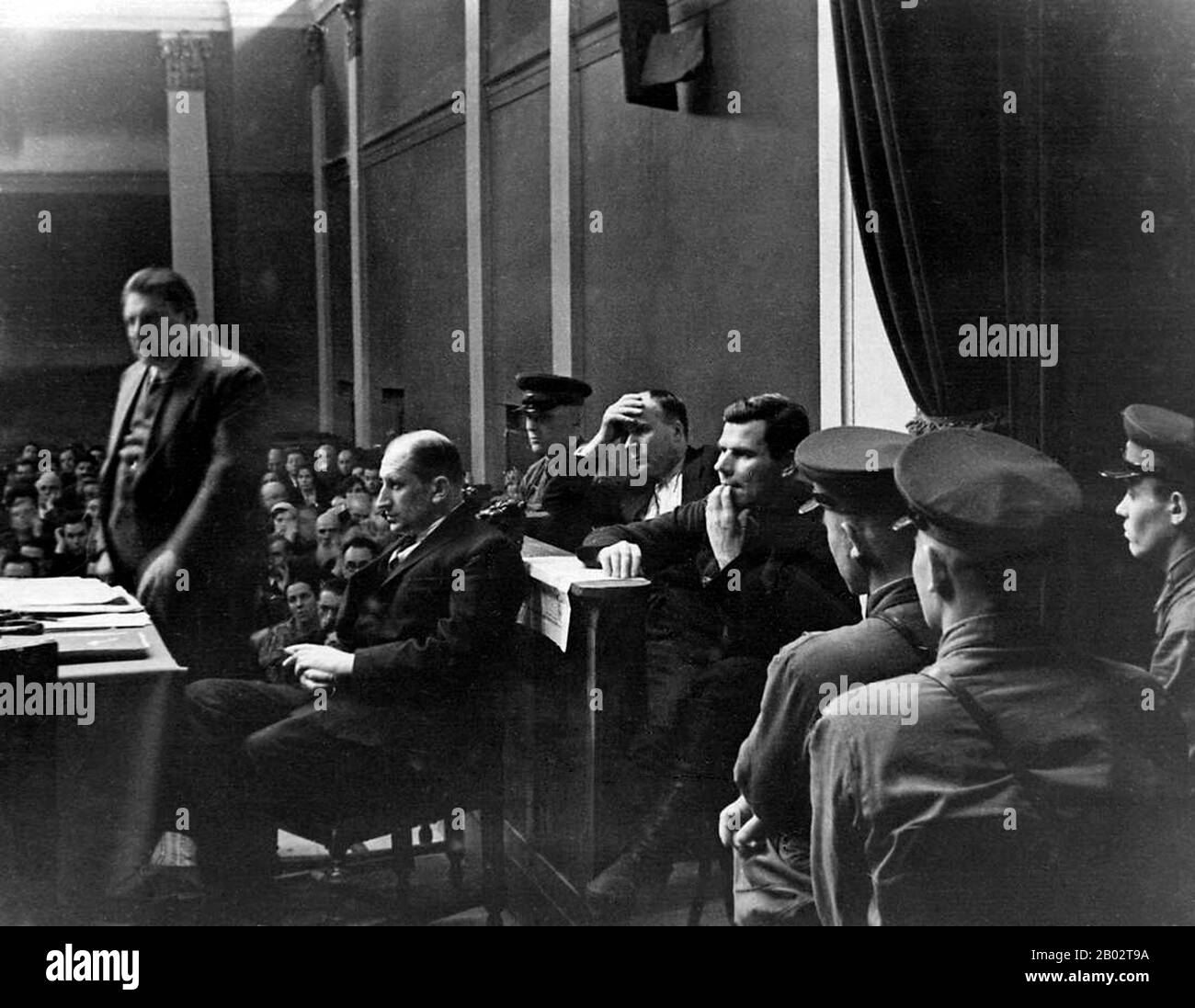
Lev Shlosberg wanted no part of the exit strategy. While the vast majority of high-profile Kremlin critics fled across international borders long ago to broadcast their opposition from safe distances in Berlin, Vilnius, or Paris, the 63-year-old veteran politician chose to stay. On a Monday morning in the provincial Russian city of Pskov, that stubborn decision caught up with him. A local court handed down a sentence of eleven years and one month in a penal colony, weaponizing wartime censorship statutes against a man whose crime was speaking plain truths about the invasion of Ukraine.
This was not merely an isolated judicial vendetta against an inconvenient individual. It served as a calculated state maneuver designed to amputate the final remaining limb of institutional political opposition inside Russia. Shlosberg serves as the deputy chairman of Yabloko, the country's lone surviving legal political faction that dared to openly oppose the military campaign. By locking him away for over a decade, the state apparatus has systematically closed the book on domestic electoral defiance, ensuring that upcoming parliamentary ballots occur in an absolute vacuum of dissent.
The Anatomy of a Fabricated Case
The charges leveled against Shlosberg read like a textbook study in bureaucratic absurdity blended with authoritarian vengeance. Prosecutors split his indictment across two distinct pretexts. First, they targeted a digital footprint from February 2022, accusing him of spreading fake news because he shared a digital media archive featuring critical imagery of the Kremlin leadership. Second, they penalized him for his participation in an online public debate where he advocated for an immediate ceasefire.
In a bitter twist of judicial irony, court records revealed that the specific anti-war declarations cited by state prosecutors were actually uttered by Shlosberg's debate opponent, not Shlosberg himself. Facts, however, hold little currency in contemporary Russian courtrooms. The trial itself bypassed standard legal conventions entirely. Defense attorneys found themselves sidelined or absent at crucial procedural moments, and the presiding judge refused to allow Shlosberg to take the stand for direct questioning.
When asked by the bench if he understood the verdict that effectively stole his remaining active years, Shlosberg did not flinch or offer a plea for mercy. He looked directly at the judge and delivered a chilling retort.
"I feel sorry for you, Your Honor, you have to live with this," he said.
The Liquidation of Yabloko
The timing of the verdict exposes a broader geopolitical and electoral strategy. Just days before the sentencing, Russia's Supreme Court finalized the removal of the Yabloko party from the upcoming parliamentary election ballot. Smaller, Kremlin-backed proxy groups had filed lawsuits demanding the party's disqualification under the guise of technical infractions and copyright complaints, arguing that an anti-war platform inherently threatened the territorial integrity of the state.
For decades, Yabloko occupied a precarious, heavily monitored space within the Russian political ecosystem. Founded in the 1990s as a liberal, reformist alternative, it managed to survive successive waves of political consolidation by operating within rigid boundaries dictated by the presidential administration. That tolerance evaporated the moment the Kremlin launched its full-scale assault on Ukraine. By systematically stripping the party of its ballot access and throwing its most prominent regional leaders into penal colonies, the state is sending an unambiguous message to any remaining internal skeptics. Compliance is no longer optional; silence is mandatory.
The Cost of Staying Behind
The sentencing of Shlosberg highlights the brutal math facing any dissident who refuses exile. Exiled politicians can organize forums, issue manifestos, and lobby foreign governments, but they inevitably lose touch with the domestic electorate. They become ghosts shouting from television screens in foreign capitals. Staying behind, conversely, means operating under constant surveillance, facing administrative fines, enduring arbitrary detentions, and ultimately confronting the grim reality of a maximum-security cell block.
In his final address to the court, Shlosberg mapped out the tragic trajectory of the nation over the past thirty years. He described a painful migration from the fragile, unfulfilled hopes for civic freedom in the post-Soviet era to the total demolition of constitutional rights. He noted that the conflict in Ukraine has fundamentally fractured the existence of every single citizen, transforming an entire society into hostages of imperial ambition.
The state security apparatus has successfully cleared the political board of remaining pieces. Yet the very brutality required to secure this domestic quietude reveals a deep institutional fragility. When a government must lock away a 63-year-old politician for eleven years over a shared news article and a call for peace, it does not demonstrate strength. It demonstrates a profound, unshakeable terror of the spoken truth.