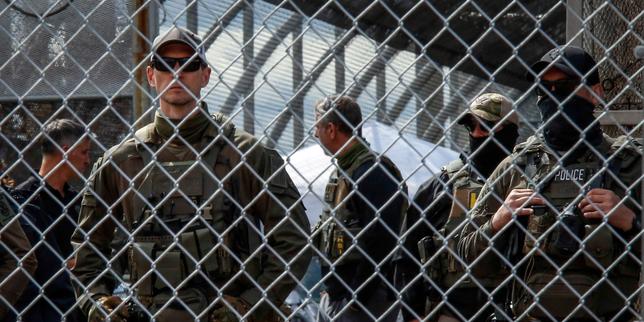
The machinery of modern American immigration enforcement operates behind heavy concrete walls, deliberate bureaucratic opacity, and an accelerating body count. When United Nations High Commissioner for Human Rights Volker Türk stood before the UN Human Rights Council to demand accountability for twenty-three documented deaths in United States immigration custody, he was not merely citing statistics from a ledger. He was exposing the lethal human toll of an expanding carceral apparatus that treats human beings as disposable inventory.
Behind every single one of those twenty-three lives lost lies a quiet institutional failure. The system relies on overcrowding, delayed medical intervention, and a total lack of localized transparency to hide its structural rot. While headlines capture the diplomatic friction between Washington and international bodies, the daily reality inside facilities managed by Immigration and Customs Enforcement continues to deteriorate unchecked.
The Arithmetic of Neglect
To understand why mortality rates inside immigration detention facilities have climbed to their highest point in over a decade, one must look closely at the math of expansion. Federal authorities pushed detained populations past the sixty thousand mark, crowding facilities far beyond their baseline design capacities.
Overcrowding functions as an invisible multiplier of misery. When facility populations swell by thirty or forty percent over historical averages, basic logistics break down completely. Medical triage units become overwhelmed, dietary standards plummet, and contagious illnesses spread rapidly through poorly ventilated dormitories.
Consider a hypothetical example to illustrate how this administrative failure translates to tragedy. A diabetic individual enters a regional detention center carrying a standard prescription. Because intake processing is backlogged due to surging arrest quotas, the medical intake form sits unprocessed for days. Insulin dosages are missed, blood sugar levels spike undetected, and by the time facility guards respond to an emergency call, the condition has escalated past the point of reversal.
Independent investigations by human rights monitors consistently point to delayed or substandard medical care as a primary driver behind these fatalities. Facilities operating under private management contracts often cut operational corners to maximize financial margins, treating contracted healthcare services as overhead expenses rather than life-saving necessities.
The Psychology of the Cage
Physical illness tells only part of the story. A sharp rise in apparent suicides highlights the profound psychological devastation inflicted by indefinite detention.
When people flee violent conditions in their home countries only to be dropped into high-security holding environments with no clear timeline for their legal cases, the mental strain is immense. Detainees describe a pervasive sense of helplessness. Legal representation is difficult to secure from remote facilities, language barriers isolate non-English speakers from staff, and the routine use of solitary confinement strips away remaining vestiges of human dignity.
The system treats despair as a compliance issue rather than a mental health crisis. Punitive isolation measures are frequently deployed against individuals showing signs of acute psychological distress, worsening their trauma rather than providing treatment.
International human rights standards explicitly prohibit cruel, inhuman, or degrading treatment. Yet, the current operational playbook leans heavily into practices that isolation experts have condemned for decades.
The Policy Architecture of Expulsion
The pressure from international monitors extends beyond detention center walls. Washington faces sharp criticism for its aggressive deportation practices, particularly removals directed toward nations experiencing severe civil unrest and systemic violence, such as Haiti.
Deporting individuals back to environments where they face immediate threats of irreparable harm violates foundational principles of international protection. The federal government continues to streamline these removals, prioritizing rapid enforcement metrics over rigorous individual due process.
Simultaneously, proposed technological upgrades—such as outfitting enforcement personnel with electric shock devices under the guise of de-escalation—signal a further hardening of operational tactics on the ground. Equipping field agents with tools designed to inflict pain does nothing to resolve the core systemic failures of the immigration apparatus. It merely injects another layer of potential violence into everyday enforcement actions.
Real reform requires dismantling the financial and political incentives that drive mass detention. Until lawmakers subject private detention contractors to stringent oversight and prioritize community-based alternatives over concrete cells, the death toll will continue to climb. Accountability cannot be satisfied by press releases or defensive denials from the Department of Homeland Security. It requires an unsparing examination of an enforcement regime that has lost its humanity in pursuit of quotas.