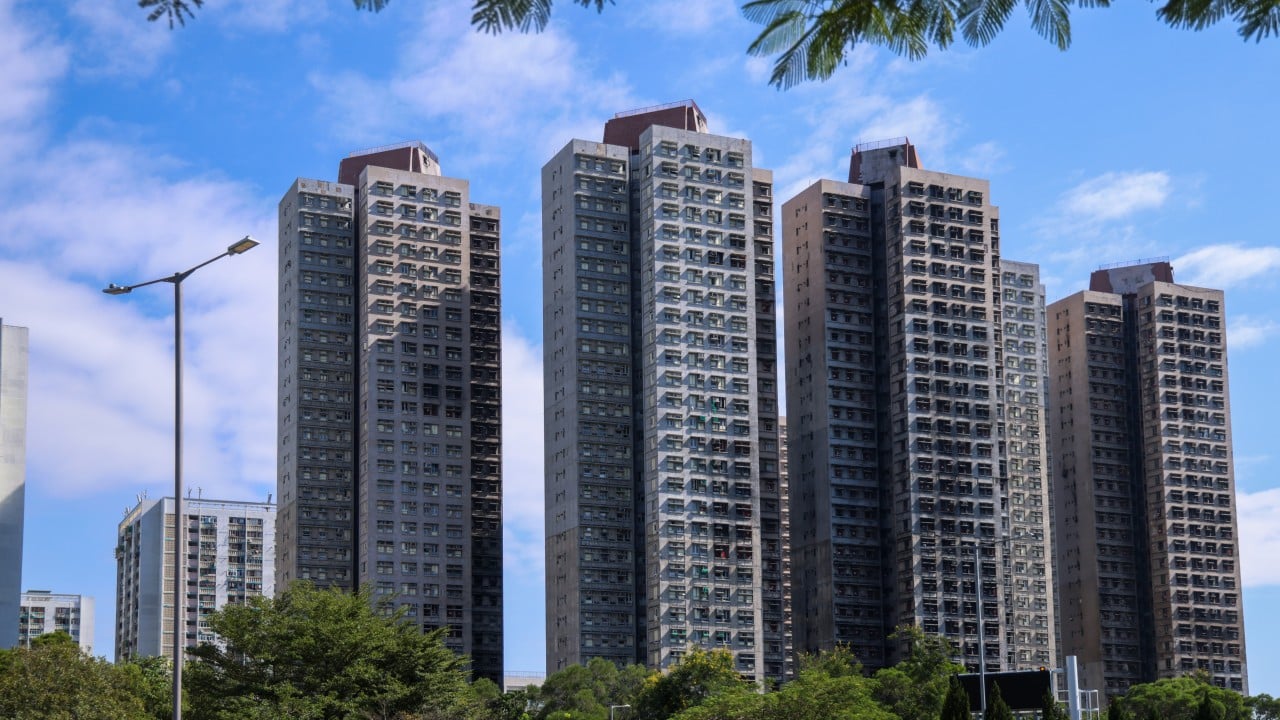
Hong Kong plans to trial an electronic proxy voting platform next year to curb bid-rigging at private housing estates, aiming to strip syndicates of the backroom vote-hoarding that has long steered multi-million-dollar maintenance contracts. Announced alongside sweeping proposed amendments to the Building Management Ordinance (Cap. 344), the digital trial is designed to verify proxy appointments cleanly, lay groundwork for caps on how many proxies one person can hold, and force sunlight onto owners' meetings that have too often been decided before neighbors even took their seats.
Anyone who has covered Hong Kong property governance for twenty or thirty years knows the pattern by heart. A notice goes up in a lift lobby for a major exterior repainting, lift replacement, or structural repair costing tens or hundreds of millions of Hong Kong dollars. Flat owners who work long hours, live overseas, or feel alienated from contentious Owners' Corporation (OC) politics sign over a paper proxy form. Then, on the night of the general meeting, a handful of individuals arrive carrying thick bundles of signed forms, tipping the tally with surgical precision.
Software alone will not break a cartel. Syndicates adapt faster than municipal forms, and a poorly designed e-voting tool can easily create new friction for elderly residents or expose another flank to manipulation. Yet the timing of this push is unmistakable, born out of tragedy and intensified enforcement that have turned private building upkeep from a quiet civic headache into a front-line law-and-order priority.
Why Paper Proxies Became the Engine of Estate Cartels
For decades, the mechanics of a typical Hong Kong private estate have created almost ideal conditions for collusive tendering. Thousands of high-rise flats sit under a single roof, owned by a mix of long-term retirees, buy-to-let landlords, mortgaged young families, and absent owners scattered across North America, Europe, or mainland China. Under the existing Building Management Ordinance, an owner unable to attend an OC meeting can appoint a proxy using a prescribed paper instrument, with no statutory ceiling on how many proxy forms a single authorized person can collect.
In theory, proxy rules exist to keep buildings functioning when turnout is low. In practice, paper proxies are a lever. If a ring of contractors, middlemen, or complicit committee members wants an inflated maintenance contract approved, controlling the proxy pipeline is often cheaper and cleaner than persuading skeptical homeowners one by one.
Consider a hypothetical example of how that pressure plays out on the ground. Suppose a 30-year-old estate of 600 flats faces a HK$90 million facade and waterproofing tender. Two competing bids look superficially reasonable on paper, while a third is quietly orchestrated behind the scenes with kickbacks built into unit rates. A syndicate-aligned canvasser approaches apathetic or elderly owners in the weeks before the vote, gathering dozens or hundreds of signed proxy instruments. Because current law places no cap on proxy accumulation and disputes frequently erupt over how instruments are collected and verified by a Management Committee, challenges on the meeting floor can stall, confuse, or overwhelm dissenting residents.
Even when owners show up in person, asymmetric information tilts the room. Technical consultancy reports run to hundreds of pages. Scopes of work are bundled so that urgent safety repairs are tangled together with lucrative cosmetic extras. By the time a motion reaches the floor, the proxy math may already be settled.
The Tragedy and Enforcement Wave Behind the Shift
Policy in Hong Kong rarely moves at full speed until a crisis forces lawmakers to confront structural blind spots. The devastating fire at Wang Fuk Court in Tai Po on November 26, 2025—which claimed 168 lives and displaced nearly 2,000 families—shattered any remaining complacency around building upkeep, safety oversight, and contractor accountability.
In the aftermath, authorities moved across multiple fronts simultaneously. Joint task force operations—bringing together police, the Independent Commission Against Corruption (ICAC), and the Competition Commission under efforts such as Operation UNITEDEDGE—have targeted syndicates accused of rigging major building maintenance and renovation tenders, including major busts involving contracts exceeding HK$130 million. Alongside enforcement raids, officials have pushed to make bid-rigging a standalone criminal offence, raise penalties for substandard works under the Buildings Ordinance, and expand support for owners through dedicated advisory bodies.
An electronic proxy voting platform sits inside that wider architecture rather than standing apart from it. Criminalizing collusion raises the fear of prison and confiscation; tougher procurement disclosures raise the cost of hiding conflicts of interest; and electronic proxy handling aims to plug one of the easiest procedural loopholes used to rubber-stamp questionable resolutions.
How an Electronic Proxy System Changes the Mechanics
Moving from loose paper slips to a verified digital proxy workflow changes several points of failure at once. When a flat owner executes a proxy electronically—backed by strong identity verification—the system can timestamp the authorization, confirm ownership eligibility, record whether the owner later revokes or supersedes it, and prevent duplicate or altered submissions.
Just as important is what digital tracking makes enforceable. Under proposed BMO reforms, lawmakers and regulators have weighed imposing a ceiling on proxy numbers per representative, publicly disclosing proxy lists ahead of meetings, allowing owners to specify voting instructions, and restricting who can act as an authorized proxy, such as limiting the role to relatives or fellow estate owners.
With paper forms, enforcing a cap or checking whether a representative exceeded a limit during a heated, hours-long meeting is notoriously prone to error and squabbling. A structured electronic registry can flag over-concentration automatically, generate transparent audit logs for inspection, and reduce last-minute disputes over whether a proxy slip was validly signed or improperly held back.
The Secret Ballot Catch
There is an obvious tension in proxy reform that every governance specialist watches closely: voting instructions versus secret ballots. Consultation papers on the BMO amendments have raised the idea of letting owners give explicit instructions to their proxies so representatives do not simply vote their own agenda. Yet because OC meetings use secret ballots to protect owners from retaliation or intimidation, verifying after the fact that a proxy actually voted the way an owner instructed runs into hard practical limits.
An electronic proxy platform can make the instruction clearer at the point of delegation, and it can log who cast which proxy ballot under controlled oversight. It cannot magically square a secret ballot with post-vote policing of every individual choice without compromising anonymity. Pretending technology solves that contradiction would be dishonest; designing clear rules around accountability and confidentiality is the real test.
Where Digital Voting Can Go Wrong
Every veteran observer of civic tech has seen well-intentioned portals stumble over ordinary human realities. Hong Kong's housing stock spans luxury towers with concierge desks and aging walk-ups or mid-rise blocks where many residents are seniors uncomfortable with smartphones, two-factor authentication, or government login apps.
If an electronic proxy voting platform becomes the only convenient way to vote, older owners could find themselves sidelined—or, worse, pressured by neighbors or third parties to hand over their login credentials or let someone "help" complete the digital form on their behalf. Coercion simply shifts from a ballpoint pen on paper to a phone screen in a corridor.
Overseas and non-resident owners present another wrinkle. Tightening who can serve as a proxy—say, restricting proxies to family members or co-owners in the same estate—could curb outside proxy brokers, yet it might leave an absentee owner with no eligible local representative if they have no relatives nearby. Any rulebook has to weigh anti-syndicate defense against genuine owner enfranchisement.
| Reform Mechanism | Intended Anti-Rigging Effect | Practical Risk or Friction Point |
|---|---|---|
| Electronic proxy platform | Verifies identity, timestamps authorizations, creates audit trails, and eases proxy cap enforcement | Potential digital divide for elderly owners; risk of credential sharing or coercion |
| Proxy caps and tighter eligibility | Stops single canvassers or outsiders from hoarding decisive voting blocks | May inconvenience non-resident or overseas owners lacking local relatives or co-owners |
| 48-hour advance proxy disclosure | Exposes concentrated proxy holdings before the meeting vote takes place | Privacy sensitivities around naming owners; potential for pre-meeting lobbying or disputes |
| Criminalizing bid-rigging and false declarations | Deters cartel bidding and dishonest conflict-of-interest filings with severe penalties | Collusive links and covert kickbacks can be heavily concealed and hard to prove |
Proxy Votes Are Only Half the Bid-Rigging Puzzle
Even if the trial scheme next year turns proxy handling into a model of precision, bid-rigging at housing estates rarely relies on a single trick. Syndicates operate across the entire procurement lifecycle:
- Pre-tender specification shaping: Technical documents or consultancy briefs can be drafted with narrow requirements that quietly favor a preferred contractor or inflate quantities before a single bid is submitted.
- Cover bidding: Allied firms submit deliberately high or non-competitive quotes so a predetermined bidder appears to win a fair contest.
- Subcontractor and material shortcuts: Once a contract is won at an inflated price, corners may be cut on materials or workmanship to widen margins, creating safety hazards down the line.
- Committee capture: Influence over a Management Committee or property manager can shape which items reach the agenda, how quotes are summarized, and how quickly owners receive financial figures.
That is why enforcement agencies have paired investigative raids with broader systemic reforms—from stronger contractor and consultancy vetting to stiffer statutory penalties and user-supported repair guidance. Cleaning up the ballot box helps stop rigged votes from passing, yet honest bidding and real competition on price and quality are what keep homeowners from paying double.
What Flat Owners and Policymakers Should Watch During the Trial
A pilot program is a laboratory, not a cure-all. When the trial runs, flat owners, estate managers, and lawmakers should judge it on concrete operational metrics rather than glossy press releases. Does the platform reduce disputes over proxy validity during meetings? Can elderly or less tech-savvy residents participate safely without surrendering control of their accounts? Does early disclosure of proxy holdings give owners meaningful time to ask questions before a high-stakes repair vote?
For flat owners sitting on aging estates right now, waiting passively for legislation to finish its course is a costly gamble. Read tender documents closely before major repair meetings, ask for itemized breakdowns rather than headline lump sums, check how proxies are being collected and inspected under current rules, and report suspicious pressure or irregular bidding patterns to the relevant authorities immediately. Sunlight and scrutiny are the only tools syndicates truly fear.


