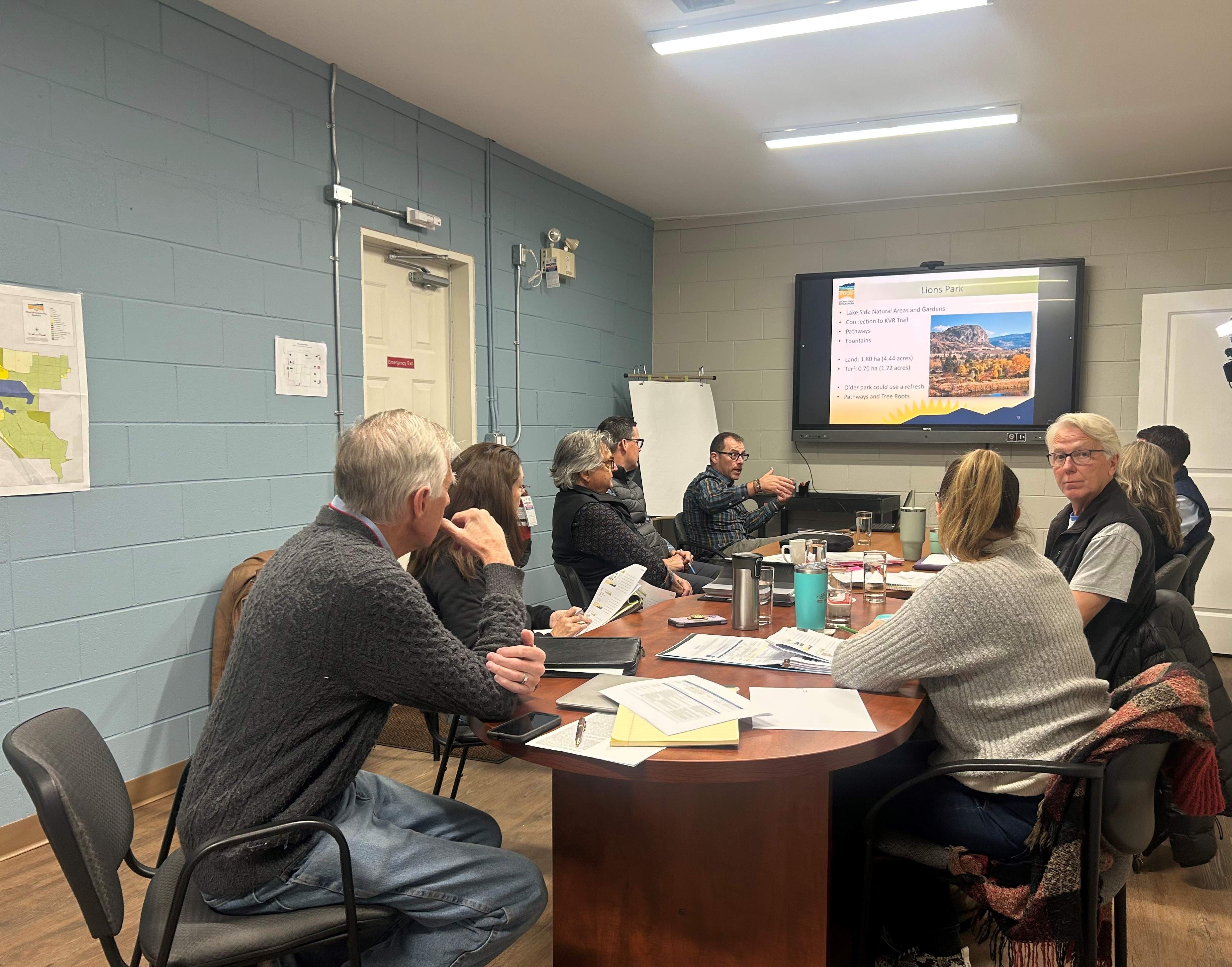
When an unincorporated Okanagan community transitions into an official municipality, the celebration lasts about twenty-four hours before the crushing weight of British Columbia’s Local Government Act hits the newly elected council. Behind the polite headlines of "Local Governance 101" workshops and ceremonial swearing-in events lies a high-stakes operational scramble. Brand new council members—often local business owners, retirees, and community activists with zero legislative background—must immediately master parliamentary procedure, fiduciary duty, and statutory compliance before their very first gavel drops, or risk paralyzing their fledgling town with procedural blunders and legal liabilities.
The gap between campaigning on local issues and actually governing a corporation under provincial law is vast. Most voters assume a new council simply shows up to their inaugural meeting, debates road repairs or zoning bylaws, and votes. The reality is far more rigid. From the moment they take the oath of office, these elected officials become the board of directors for a multi-million-dollar public corporation bound by strict provincial statutes, closed-meeting restrictions, and conflict-of-interest rules that carry personal legal consequences.
The Myth of the Clean Slate
Incorporating a new municipality in British Columbia’s Okanagan Valley—whether driven by rapid population growth, infrastructure deficits, or a desire for local control over land use—is frequently sold to residents as a fresh start. Voters imagine a nimble, responsive local government free from the bureaucracy of regional districts.
That illusion dies during the transition period.
A newly incorporated community does not start from zero. It inherits a complex web of pre-existing regional district bylaws, provincial highway maintenance agreements, aging water and sewer infrastructure, and crown land leases. Before the inaugural meeting even takes place, the interim corporate officer and municipal consultants must force-feed the incoming mayor and councillors a crash course in statutory survival.
Consider what happens if a new council skips or rushes this foundational training. Under British Columbia’s Community Charter, a single misstep during an inaugural meeting can invalidate decisions made months down the line. If a councillor fails to properly declare a pecuniary conflict of interest on a seemingly minor zoning vote, the resulting legal challenge can drain a brand new municipality's entire legal budget before its first property tax cycle is even completed.
What Happens Behind Closed Doors During Orientation
The "Local Governance 101" sessions referenced in standard local news reports are rarely gentle introductions. Veteran municipal advisors and provincial ministry officials use these pre-inaugural bootcamps to break bad habits picked up on the campaign trail.
Campaigning rewards bold promises and unilateral declarations. Governance punishes them.
During orientation, new officials learn three uncomfortable truths that rarely make it into campaign brochures:
- Individual authority does not exist. Outside of a duly convened council meeting, a single councillor—and even the mayor—has zero legal power to direct staff, promise a permit, or alter a municipal policy. Only the corporate body acting through a majority vote holds authority.
- Staff report to one person. Newly elected officials often try to micromanage public works crews or planning clerks. Orientation drills home the council-manager system, where council sets policy and hires a Chief Administrative Officer (CAO), and the CAO alone manages the rest of the municipal workforce.
- Privacy is tightly restricted. Under Section 90 of the Community Charter, councils cannot simply go behind closed doors because a topic is politically embarrassing. Moving into an in-camera session requires citing specific statutory grounds, such as land acquisition, labor relations, or active litigation.
The Structural Trap of the First 100 Days
In established cities like Kelowna, Vernon, or Penticton, institutional memory acts as a shock absorber. Veteran councillors know how the budget cycle works, administrative departments have established workflows, and standard operating procedures handle the daily grind. A first-ever council possesses none of those buffers.
Every single administrative mechanism has to be built from scratch while the public watches.
In a hypothetical example of a newly incorporated Okanagan district, imagine a council facing an immediate demand from residents to halt a controversial hillside subdivision. On the campaign trail, four of the five councillors pledged to stop the project on day one. During their pre-inaugural training, however, the municipal solicitor delivers a sobering reality check. Because the subdivision application was submitted under the previous regional district's rules before incorporation took effect, an immediate moratorium could trigger an administrative law challenge or an expensive compensation claim for constructive expropriation.
Without rigorous pre-meeting training on administrative fairness and zoning law, that hypothetical council would have walked into their inaugural meeting, passed an illegal freeze, and immediately plunged their new town into court.
The Hidden Friction Between Regional Districts and New Councils
Incorporation in the Okanagan rarely happens in a vacuum. When a community breaks away from a Regional District—such as the Regional District of Central Okanagan or the Regional District of Okanagan-Similkameen—it triggers a messy financial and operational divorce.
Assets must be divided. Service agreements for fire protection, solid waste, transit, and recreation must be renegotiated.
New councillors often enter orientation viewing the regional district as an adversary they just escaped. Trainers have to quickly dismantle that mindset. Even after incorporation, the new municipality still holds seats on the regional district board and continues to share costs for regional services like hospitals, watershed protection, and landfill operations. Learning how to wear two hats—advocating fiercely for their new town while collaborating at the regional table—is one of the steepest learning curves new officials face.
The Financial Reality Check
Talk is cheap until the Five-Year Financial Plan lands on the table.
During incorporation studies, provincial consultants provide baseline financial projections showing how much property tax revenue the new municipality will collect and what basic services will cost. Those numbers look tidy on paper. On the ground, inflation, aging septic-to-sewer transitions, and wildfire mitigation costs in the Okanagan quickly test those assumptions.
Pre-inaugural financial training focuses heavily on asset management and reserve funds. New councillors quickly discover that roughly seventy to eighty percent of their very first municipal budget is already spoken for before they cast a single vote. Policing contracts (often tied to RCMP thresholds once a municipality hits a population of 5,000), road maintenance, insurance, and core administrative salaries eat up the lion's share of incoming tax dollars.
This creates an immediate political crisis for first-time politicians. They ran on lowering taxes or building new parks, yet their very first budget exercise forces them to choose between raising property taxes to fund basic infrastructure reserves or deferring maintenance and watching their roads crumble.
Why Parliamentary Procedure Is a Weapon
To outsiders, Robert’s Rules of Order and municipal procedure bylaws look like tedious bureaucratic theater. Why spend four hours in a training room learning the difference between a motion to table, a motion to postpone indefinitely, and a point of order?
Because in local government, procedure is power.
In a brand new council without established political alliances, meetings can easily spiral into five-hour marathons of unfocused debate, personal grievances, and public gallery interruptions. A mayor who does not understand how to chair a meeting—or councillors who do not know how to frame an actionable motion—will lose control of the room by the second agenda item.
Orientation forces the new council to adopt and rehearse their Council Procedure Bylaw before the cameras turn on. They learn how to handle public question periods without turning the chamber into a shouting match, how to manage delegations, and how to ensure every debate ends with a clear, unambiguous direction to staff rather than vague consensus.
The Transparency Trap and the Freedom of Information Act
Another critical pillar of pre-inaugural training involves FOIPPA—British Columbia's Freedom of Information and Protection of Privacy Act.
First-time councillors routinely make the mistake of using personal email accounts, text messages, or private WhatsApp groups to discuss municipal business with their colleagues. During governance training, legal advisors make it brutally clear that any record relating to public business—regardless of whether it sits on a municipal server or a councillor's personal iPhone—is subject to public disclosure requests.
Furthermore, if three members of a five-person council start debating an upcoming bylaw in a private text thread, they have inadvertently held an illegal, unadvertised council meeting in violation of the Community Charter's open-meeting rules. Breaking that habit before the inaugural meeting saves new councils from self-inflicted ethics scandals.
The Burnout Factor Nobody Mentions
Local journalism loves the optimism of a new beginning. Reporters take photos of smiling councillors holding binders, write a few paragraphs about community pride, and move on to the next story.
What gets left out of those coverage pieces is the staggering rate of first-term burnout among inaugural councils.
In smaller Okanagan communities, municipal council positions are almost always part-time roles with modest stipends. Yet building a government from the ground up is a full-time job. During the first two years, the sheer volume of reading—hundreds of pages of zoning reports, engineering assessments, bylaw drafts, and financial audits every two weeks—overwhelms people who still have day jobs and families.
The pre-inaugural training sessions attempt to prepare councillors for this workload, teaching them how to read staff reports efficiently, how to ask targeted questions in advance of meetings so staff can prepare accurate answers, and how to draw boundaries with constituents who expect twenty-four-hour access to their local representatives.
Even with the best orientation, friction is inevitable. A council that enters its inaugural meeting united by the thrill of historic achievement will inevitably fracture along ideological and practical lines within six months. Some members will prioritize aggressive growth to expand the tax base; others will fight to preserve rural character and agricultural land at all costs.
The "Local Governance 101" bootcamps are not designed to prevent those disagreements. Democracy requires debate. Instead, that early, intensive training builds the guardrails that keep those inevitable political collisions from wrecking the legal and financial foundation of the town itself. When the ceremonial speeches end and the first real zoning battle begins, the survival of the new municipality depends entirely on whether those newly minted politicians actually absorbed the rules before the gavel fell.