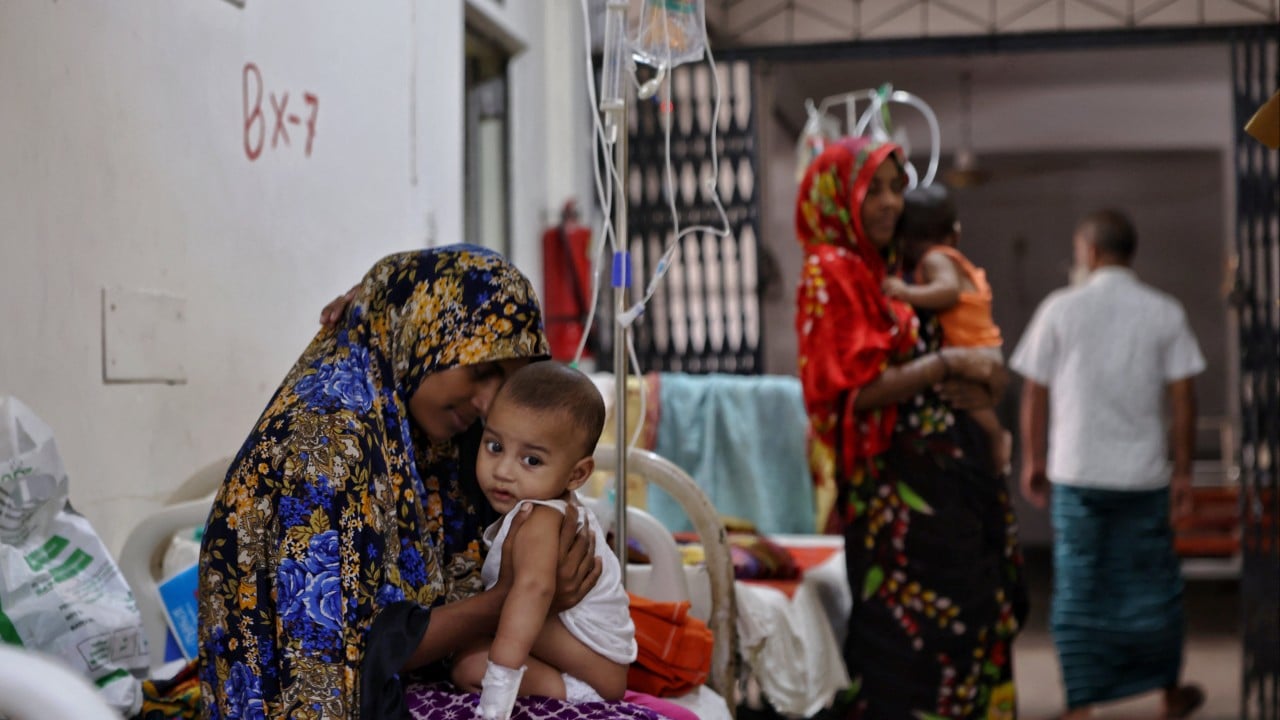
The air inside Dhaka's Shishu Hospital smells of bleach, wet linoleum, and the sharp, metallic tang of pressurized oxygen. Monitors beep in frantic, irregular rhythms. Parents sit vigil on tiled floors because every metal cot and plastic chair is spoken for, holding infants whose ribs heave violently with every shallow breath.
Bangladesh is currently enduring the world's most severe measles epidemic, with nearly 1,000 children dead and more than 180,000 suspected cases recorded since March. While mainstream reports frame this catastrophe as a sudden medical emergency, the reality is far more systemic. This disaster was engineered years in advance through bureaucratic inertia, political upheaval, and a catastrophic breakdown in public health infrastructure.
A virus does not care about changes in government. Yet, the administrative turbulence that unseated former Prime Minister Sheikh Hasina in 2024 created a dangerous vacuum. Routine immunization programs stuttered. Planned vaccine procurement schedules were mismanaged or outright abandoned by interim leadership trying to steady a fractured state.
For years, Bangladesh had stood as a regional success story in infectious disease control. Vaccination rates hovered near the World Health Organization's recommended ninety-five percent threshold. Herd immunity was real, protecting the vulnerable edges of the population. But public health gains are fragile things. When procurement policies shifted under the interim government, vaccine supplies dried up.
A generation of infants missed their scheduled measles-rubella shots. They became dry tinder waiting for a spark.
The Anatomy of a Contagion
Measles is arguably the most contagious pathogen known to medical science. It travels on microscopic droplets through the air, lingering in a room long after an infected person has left. If an unprotected individual breathes that air, infection rates approach ninety percent.
When herd immunity drops even a fraction below the critical threshold, the virus stops encountering roadblocks. It accelerates.
In this outbreak, the demographic hit hardest reveals the tragic mechanics of the failure. Roughly eighty percent of the recorded cases involve children under the age of five. Within that group, infants under nine months old—who are structurally too young to receive their first routine measles inoculation—are dying at alarming rates. They relied entirely on the protective shield of community immunity. When that shield vanished, they had nothing left to block the pathogen.
Malnutrition compounds the tragedy. In densely populated urban settlements like the informal neighborhoods of Dhaka, Rajshahi, and Chattogram, chronic food insecurity weakens pediatric immune systems before they ever encounter the virus.
A well-nourished child might fight off the respiratory distress and high fever associated with the infection. A malnourished child faces a different trajectory. Their lungs, already compromised, succumb rapidly to secondary bacterial pneumonia. Brain swelling follows.
Doctors at frontline facilities describe an overwhelming influx of patients arriving too late for intervention. There is no specific antiviral treatment for measles once the infection takes hold. Physicians can only offer supportive care, managing symptoms, administering fluids, and praying that a fragile body can hold out long enough to mount its own defense. Often, it cannot.
Administrative Blind Spots and Procurement Failures
The human cost of this epidemic cannot be divorced from the bureaucratic decisions made behind closed doors in Dhaka. Health ministry records and parliamentary disclosures show that changes in vaccine procurement guidelines severely disrupted the supply chain.
When administrative oversight fractured, shipments were delayed. Planned nationwide supplementary immunizations scheduled for late 2024 and 2025 were postponed or canceled entirely.
Public health analysts often warn that administrative restructuring carries a body count during political transitions. Bureaucrats focus on institutional survival while supply chains fracture. By the time officials realized that cold-chain inventories were depleted, the virus was already moving through communities unchecked.
Emergency vaccination campaigns launched after the outbreak exploded in March have struggled to catch up. Healthcare workers are now racing house-to-house and clinic-to-clinic in an effort to vaccinate children outside standard age parameters, but stopping an active fire with a garden hose is a slow, agonizing process.
The crisis also exposes the limits of reactive medicine. Pouring resources into emergency hospital wards treats the symptom of a broken preventative system. When beds run out and oxygen supplies strain against demand, the limits of the response become starkly clear.
International health agencies have stepped up technical assistance, but vaccines require logistics, cold storage, and community trust to be effective. Misinformation, fear, and sheer exhaustion among overburdened medical staff complicate every operational step.
In the corridors of Dhaka Shishu Hospital, families do not care about procurement policy or administrative reform. They care about whether the next cylinder of oxygen will arrive before their child's breathing stops. Outside, the daily count of suspected cases climbs past a thousand, a relentless statistical march that shows the true price of institutional failure.