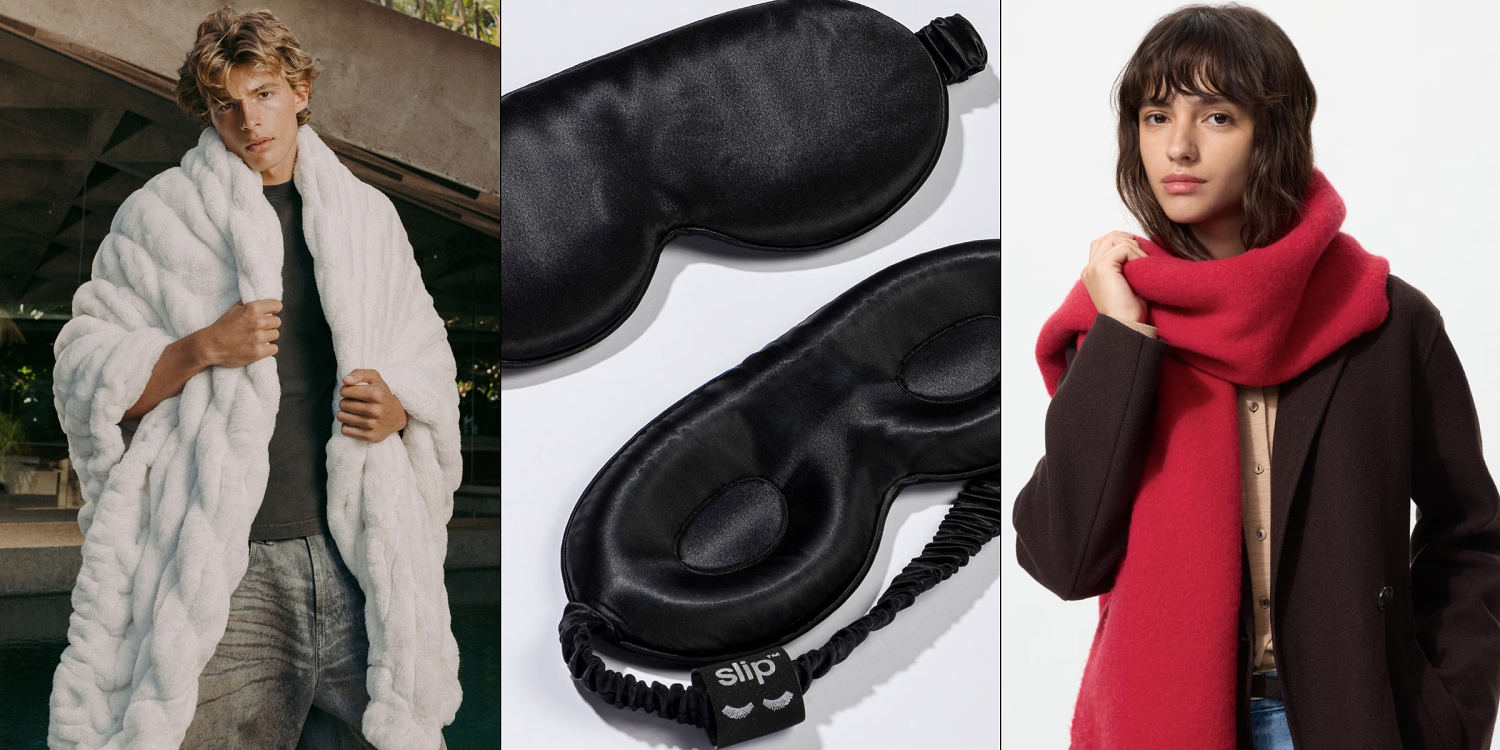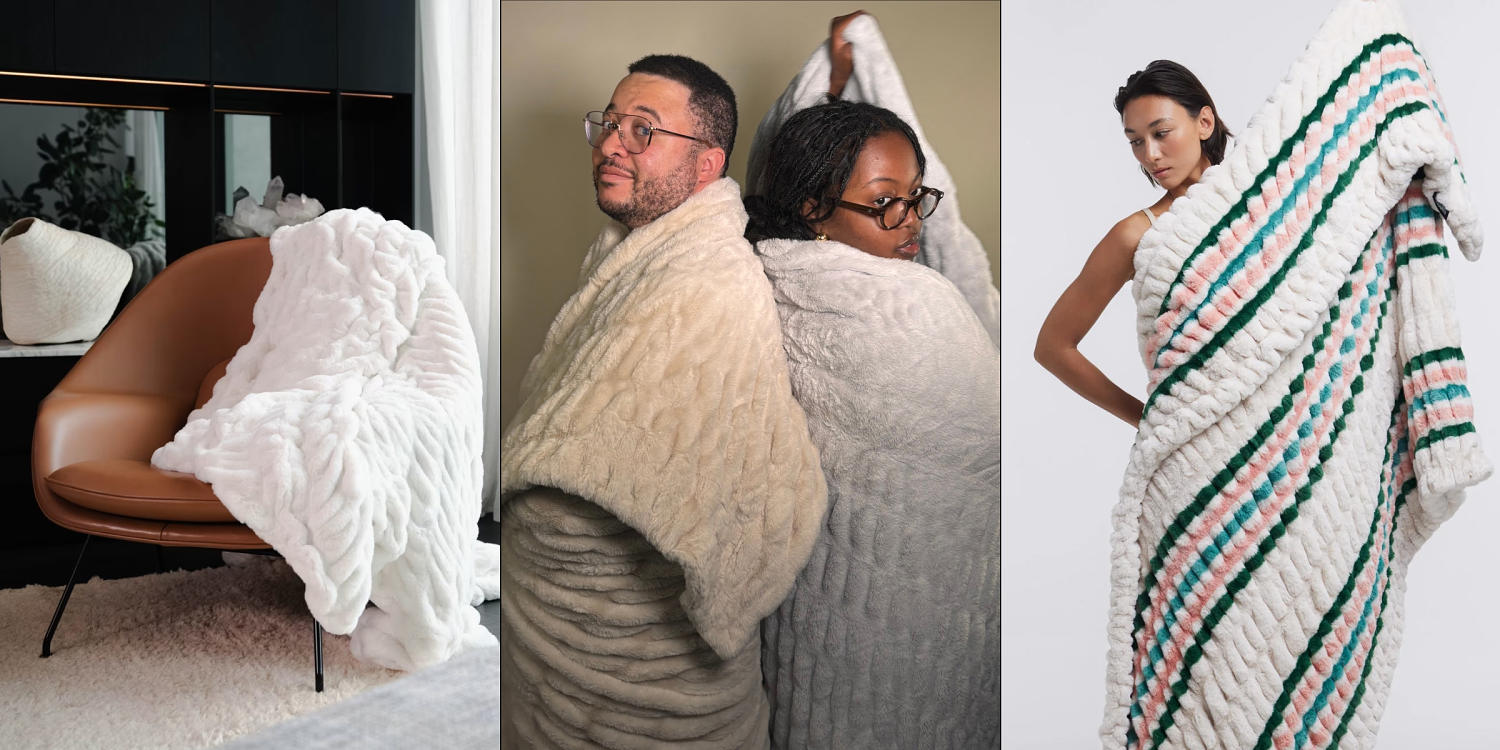
If you are looking for the best plush blanket between Lola, Comfrt, and Cocoon, the honest answer comes down to what kind of physical sensation you actually want under your skin. Lola Blankets wins on sheer, unbridled faux-fur density and drape, making it the superior choice for heavy, tactile lounging. Comfrt dominates the entry-level luxury space by translating its viral, slightly weighted sweatshirt fleece into an affordable, machine-washable everyday throw. Cocoon takes a completely different route, engineering breathable, temperature-regulating plushness designed for hot sleepers who normally wake up sweating under synthetic pile.
Most online reviews will tell you that all three of these brands make the softest thing you will ever touch. That is marketing copy masquerading as journalism. Having spent twenty years dissecting textile supply chains, fiber denier counts, and direct-to-consumer margins, I can tell you that the modern luxury blanket market is built on a very specific illusion. Brands buy high-pile polyester, give it a proprietary trademarked name, mark it up by 600 percent, and hire influencers to film themselves gasping when they open the box.
Yet, beneath the aggressive social media ad spend, there are real, measurable differences in how these three blankets are constructed, how they hold up after twenty wash cycles, and whether they justify asking you to part with three hundred dollars.
The Anatomy of Modern Synthetic Plush
To understand why a Lola blanket costs dramatically more than a Comfrt throw, you have to ignore the brand storytelling and look at the raw material. Almost every viral plush blanket on the market today is made from 100 percent polyester microfiber. There is no exotic cashmere here. There is no rare alpaca wool. You are buying plastic extruded into microscopic filaments, knitted into a base fabric, and mechanically brushed to create a raised pile.
The secret lies in denier and GSM (grams per square meter).
Denier measures the thickness of a single thread. A human hair is roughly 20 denier. Standard fleece is around 1 to 2 denier. The ultra-plush blankets that have taken over TikTok and Instagram rely on micro-denier fibers, often measuring less than 0.5 denier. When you pack millions of these ultra-fine filaments onto a single square inch of backing, your skin cannot detect individual threads. Your brain registers the surface as a continuous liquid or animal pelt.
GSM measures the weight and density of the finished fabric. A cheap big-box store throw sits around 250 to 300 GSM. Once you cross the 600 GSM threshold, a blanket stops acting like a sheet and starts acting like a weighted hug. It drapes differently. It traps air differently. And, crucially, it becomes much harder to manufacture without shedding.
Lola Blankets and the Cult of Heavy Faux Fur
Lola Blankets built its empire by leaning entirely into maximum density. Founded out of Utah—a state that has quietly become the Silicon Valley of direct-to-consumer comfort brands—Lola positioned itself as the uncompromising luxury option. When you pull a Lola out of its packaging, the first thing you notice is not the softness. It is the gravity.
Lola utilizes a double-sided, high-pile faux fur construction that routinely pushes past 800 GSM depending on the specific weave. Unlike cheaper throws that glue a plush top layer onto a flat, slippery backing, Lola weaves the pile directly into a four-way stretch base. This matters more than consumers realize.
Why Four-Way Stretch Changes the Experience
Standard woven backings are rigid. When you curl up on a couch, a rigid blanket tents over your knees and shoulders, leaving cold air pockets underneath. Because Lola uses a knitted base with elastane or mechanical stretch properties, the blanket collapses inward, molding directly to the contours of your body. You get zero air gaps.
The trade-off is heat retention and maintenance. A blanket this dense acts like high-grade attic insulation. If your house sits above 70 degrees, a large Lola blanket will cook you within twenty minutes. Furthermore, high-pile faux fur is notoriously sensitive to friction and heat. If you put a Lola blanket in a standard residential dryer on anything other than a zero-heat air fluff cycle, the microscopic polyester tips will partially melt and fuse together. Once those fibers fuse, the liquid-soft texture turns into a matted, crunchy pelt that no amount of brushing will ever fully restore.
Comfrt and the Sweatshirt Industrial Complex
Comfrt approached the bedding market backward. They did not start as a home goods company; they started as an apparel brand obsessed with slightly weighted, oversized hoodies designed to soothe anxiety. Their blankets are essentially an extension of that exact same textile philosophy.
Where Lola aims to mimic chinchilla fur, Comfrt aims to mimic the broken-in, velvety interior of a heavyweight fleece sweatshirt. The pile is much shorter, tighter, and denser at the root than a traditional faux-fur throw.
The Engineering Behind the Drape
Comfrt blankets rely on a process called sueding or peach-skin finishing. Instead of leaving long polyester fibers to wave freely in the air, the manufacturer shears the pile to a uniform, short height and sands the surface with abrasive rollers. This creates a matte, velvety finish that feels substantial without feeling hairy.
For the everyday buyer, this design solves two massive headaches:
- Durability: Short, sheared fibers do not tangle or mat easily. You can drag a Comfrt blanket across a rough wooden floor, let a golden retriever sleep on it, and toss it into a standard washing machine without inducing a panic attack.
- Price Accessibility: Because shorter pile requires less raw polymer weight per square yard and fewer post-weaving brushing passes, Comfrt can retail its blankets at a fraction of Lola’s price point, frequently running aggressive bundle discounts that bring the cost under a hundred dollars.
The downside is obvious the moment you lay it next to a higher-pile competitor. It lacks visual drama. A Comfrt blanket looks like a very nice piece of loungewear laid flat on a bed. It does not have the sculptural, rippling waves of deep faux fur, and its lower GSM means it lacks the heavy, grounding pressure that makes Lola feel like an indulgence.
Cocoon and the Breathability Problem
Anyone who has worked in textile manufacturing knows the fundamental paradox of synthetic plush. The very thing that makes a blanket soft—millions of tightly packed micro-filaments—is also what makes it suffocating. Trapped air does not circulate. When your body releases moisture and heat overnight, a standard polyester plush blanket traps that humidity right against your skin, creating a clammy microclimate.
Cocoon stepped into this gap by targeting the demographic that usually hates plush blankets: hot sleepers.
Hollow-Core Fibers and Moisture Wicking
To make a plush blanket breathe, you have to alter the geometry of the yarn itself or blend the synthetic fibers with natural cellulose. Cocoon’s approach focuses on open-knit construction and moisture-wicking fiber blends, often incorporating viscose derived from bamboo or specialized channeled polyester filaments.
Instead of packing the fibers as tightly as possible onto a solid backing, Cocoon leaves microscopic channels in the base weave. Heat rises, passes through the short plush pile, and escapes through the knit structure rather than bouncing back onto your torso.
Let us use a hypothetical example to see how this plays out in a real bedroom. Imagine two people sleeping in a room set to 68 degrees. Person A is under an 850 GSM faux-fur throw; Person B is under a breathable, open-weave plush blanket. At 2:00 AM, both bodies experience a natural thermal spike. Person A wakes up kicking the blanket off because the dense polyester has trapped their body heat like a greenhouse. Person B stays asleep because the micro-channels in the weave allow the excess thermal energy to vent into the room, keeping the surface temperature under the blanket stable.
The compromise with Cocoon is tactile richness. When you engineer space between fibers to allow airflow, you sacrifice the dense, sink-your-fingers-in plushness that defines traditional luxury throws. Cocoon feels silky, cool to the touch, and remarkably light, but if you are expecting a thick, enveloping cocoon of fur, the name might mislead you.
Side-by-Side Breakdown of the Contenders
| Feature | Lola Blankets | Comfrt | Cocoon |
|---|---|---|---|
| Primary Texture | Deep, silky faux fur | Velvety, sheared fleece | Lightweight, cool-touch plush |
| Thermal Profile | Very warm (traps heat) | Moderately warm | Breathable / temperature-neutral |
| Weight & Drape | Heavy, four-way stretch | Medium-heavy, structured | Light, fluid drape |
| Wash Durability | High maintenance (air dry only) | Low maintenance (machine friendly) | Moderate (delicate cycle) |
| Best Use Case | Cold living rooms, movie nights | Everyday family use, pet owners | Hot sleepers, year-round bedding |
| Price Tier | $$$ ($200–$350+) | $ ($70–$130) | $$ ($120–$200) |
The Hidden Economics of Viral Blanket Brands
You cannot evaluate these three companies without looking at how they actually make their money. If you visit the websites for Lola, Comfrt, or Cocoon on any given Tuesday, you will likely see a countdown timer, a popup offering 30 percent off, or a "Buy One, Get One" promotion.
This is not generosity. It is anchor pricing, a classic direct-to-consumer retail strategy.
In the textile wholesale market, a top-tier, 800 GSM custom-dyed faux-fur throw manufactured in high-end Chinese or South Korean mills costs between $22 and $38 per unit to produce, including packaging and ocean freight. When a brand lists that blanket at $320, they are establishing a psychological anchor. When they subsequently offer you a "VIP 40 percent off" code, you feel like you are stealing a $320 luxury item for $192. In reality, $192 is their target retail price, still leaving them with a healthy 75 to 80 percent gross margin to fund their massive Meta and TikTok customer acquisition costs.
Comfrt plays this game more aggressively than almost anyone in apparel. Their constant sales and pre-order drops create artificial scarcity, encouraging buyers to purchase multiple colorways at once to hit free shipping thresholds. Lola protects its luxury positioning slightly better by keeping baseline prices high and reserving deep discounts for major holidays or influencer affiliate codes, which maintains the perception of an heirloom gift.
How to Spot Cheap Imitations Before You Buy
Because all three of these brands have gone viral, Amazon and Temu are flooded with $35 knockoffs using identical product photography. If you are trying to decide whether to pay full price for the real thing or gamble on a generic alternative, look at three specific construction details:
- The Backing Test: Flip the blanket over. Cheap knockoffs use a single-sided weave where the back looks like a flat, shiny grid of plastic threads. Authentic high-end throws like Lola use a double-sided pile, meaning the underside is just as soft as the top, eliminating the "cold side" shock when you shift in your sleep.
- The Tug Test: Grab a pinch of the plush pile between your thumb and forefinger and pull firmly. On a poorly cured blanket, three to five fibers will come loose immediately. Properly heat-set microfibers are locked into the base knit during the dyeing process and should release zero lint under a firm tug.
- Edge Finishing: Look at the border. Budget blankets use a cheap whipstitch or a thin satin binding that frays and pills after three washes. Higher-tier brands use a folded self-hem, wrapping the plush fabric over the edge and double-stitching it invisibly into the pile so there is no rough seam scratching your chin.
Which Blanket Actually Deserves Your Money
Stop buying blankets based on how they look draped over the corner of an influencer's pristine white sectional. Match the textile engineering to your actual environment.
Buy Lola if you live in a cold climate, keep your thermostat low at night, and want the closest possible simulation of real, heavy fur without the ethical or dry-cleaning nightmares. Just accept the reality that you are buying a delicate garment that requires cold water, zero fabric softener, and air drying.
Buy Comfrt if you have kids, pets, or a habit of eating snacks on the couch. It gives you 80 percent of the tactile satisfaction of a luxury throw at roughly 35 percent of the cost, and you will not ruin a three-hundred-dollar investment the first time someone spills coffee on it or tosses it into a warm dryer by mistake.
Buy Cocoon if you love the psychological comfort of sleeping under a plush blanket but consistently wake up at 3:00 AM drenched in sweat. It solves the thermal trap of synthetic microfiber better than any traditional faux-fur throw ever could.
If you already own one of these blankets and it has lost its softness, do not throw it out—grab a fine-toothed wire pet slicker brush, mist the fibers lightly with cold water, and brush the pile gently against the grain to mechanically separate the matted filaments.