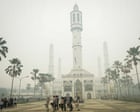
When the skies over Indonesian Borneo turn the color of burnt copper, schools close, hospitals fill up with choking children, and the rest of Southeast Asia holds its breath. You can't just brush this off as routine seasonal weather. For millions living under a toxic blanket of smoke, the annual fires are an entirely preventable man-made disaster.
Citizens in West Kalimantan have had enough. Operating under the banner of "Nafas Kalbar"—which translates to the Breath of West Kalimantan—local residents and activists filed a landmark class action lawsuit against the state. They are directly accusing President Prabowo Subianto's administration and other key officials of gross negligence. This isn't just about smoky air. It is about a systemic failure to protect human life, manage peatland degradation, and hold corporate actors accountable.
The Human Cost Behind the Smoke
If you've never experienced severe wildfire haze, it’s hard to grasp how fast normal life grinds to a halt. The air doesn't just smell like campfires; it tastes like chemicals and ash. People strap on industrial respirators just to walk to the corner store. Families seal their doors and windows with damp towels, trapping the heat inside just to keep the particulate matter out.
Data from the ground paints a grim picture. Millions of residents across the region are forced to inhale air rated from unhealthy to hazardous. Clinics overflow with patients suffering from acute respiratory infections, asthma attacks, and eye inflammation. Children miss weeks of school, robbing them of consistent education.
The plaintiffs in the lawsuit argue that the government has the resources, satellite tracking, and legal framework to prevent these disasters, yet leaves everyday communities to fight the fires with primitive tools. When dry conditions fueled by El Niño turn forests into tinderboxes, a delayed or passive state response stops being a logistical misstep and starts looking like a legal breach of duty.
Why Past Legal Battles Failed
This isn't the first time citizens have dragged Jakarta into a courtroom over smoke. Back in 2016, a group of citizens successfully sued the administration of former president Joko Widodo over the devastating 2015 fires. That initial victory felt historic. But the legal system dragged its feet, and the ruling was ultimately overturned on appeal years later. Another similar lawsuit filed in South Sumatra hit a dead end and was dismissed.
Critics of these lawsuits often argue that weather patterns and underground peat fires are too massive for any government to control entirely. Peatlands are notoriously difficult to extinguish once they catch fire beneath the surface. They smolder for months, chewing through carbon sinks and releasing massive plumes of greenhouse gases.
Yet, the current plaintiffs aren't buying the excuses anymore. They point out that negligence isn't just about failing to put out a spark; it's about ignoring decades of warning signs, failing to properly supervise commercial land clearance, and refusing to enforce zero-burning policies on agroforestry companies.
What the Lawsuit Demands
The legal action filed in Pontianak isn't asking for symbolic apologies. The demands are concrete and sweeping:
- Declare the haze crisis a national disaster to unlock emergency funds and coordinated relief.
- Cover the medical and healthcare costs for all residents suffering from haze-related illnesses.
- Implement aggressive, transparent rehabilitation measures for ruined peatlands and forests.
When the first court hearing kicked off, none of the high-profile defendants—including the president—showed up. While lawyers for the state pointed to logistical hurdles like canceled flights due to poor visibility, activists saw it as a symptom of a deeper disconnect between political elites in Jakarta and citizens choking on the front lines.
Regional neighbors like Malaysia and Singapore have repeatedly offered assistance or voiced deep concern over the cross-border pollution, occasionally triggering defensive rhetoric from Indonesian officials who insist they have the situation handled. But as long as the fires keep returning like clockwork every few years, diplomatic friction will only intensify.
Holding governments accountable through the courts forces a hard conversation about land management, corporate greed, and climate resilience. Until the state treats clean air as a non-negotiable constitutional right rather than a luxury dependent on the weather, the smoke will keep returning, and the courts will remain the last line of defense for a population left gasping for air.
Indonesia Court Hears Case Over Wildfire Haze
This video provides an on-the-ground look at the courtroom proceedings and the growing public frustration surrounding the government's response to the regional haze crisis.