Your direct flight from India to Saudi Arabia is probably not taking off this week.
If you're holding a ticket on Air India, Air India Express, IndiGo, or Akasa Air for travel before December, you're caught in a rolling wave of cancellations that has quietly turned one of the world's busiest aviation corridors into a logistical headache. All four major Indian carriers have extended their flight suspensions to key Saudi hubs through November 30, 2026. If you enjoyed this article, you might want to check out: this related article.
They're blaming the "prevailing security situation in the region". That corporate phrasing sounds vague on purpose, yet the reality on the ground is dead serious. Following renewed hostilities and drone and missile threats involving Yemen's Houthi rebels targeting Saudi infrastructure and airports, Indian aviation authorities and airline risk teams pulled the plug on direct operations.
Most news reports just regurgitate the airline press releases and tell you to check your flight status. That's useless when you have an expiring Umrah visa, a job contract starting in Riyadh on Monday, or a family waiting at King Abdulaziz International Airport. Let's look at what is actually happening across each carrier, why these rolling extensions keep trapping travelers, and how you can get around the blockade without losing thousands of rupees. For another angle on this story, refer to the recent update from Travel + Leisure.
The Rolling Suspension Trap Across Indian Carriers
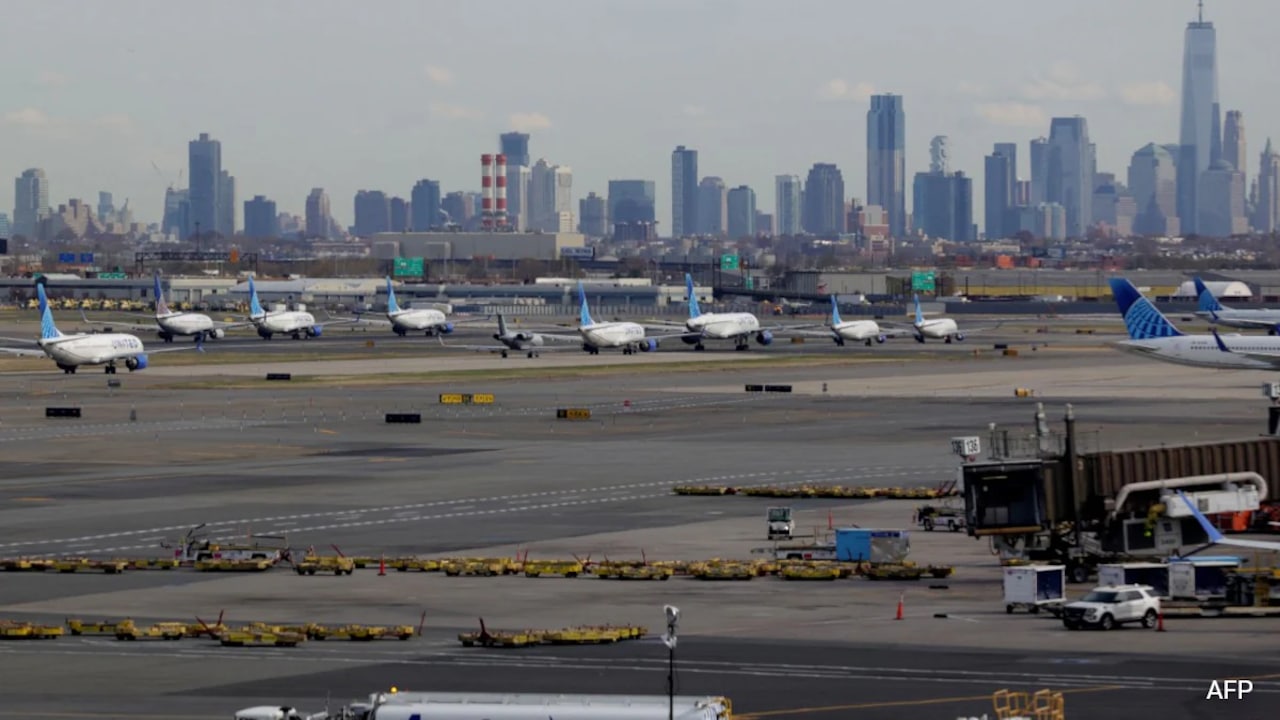
Airlines hate cancelling flights indefinitely because it triggers mass refund liabilities and forces them to park expensive narrow-body jets. Instead, they've been playing a frustrating game of rolling deadlines since late October. First, flights were paused until October 31, then November 7, then November 14, then November 21 or 24, and now the blanket cutoff sits at November 30, 2026.
Every time a deadline approaches, hopeful passengers wait until the last minute, assuming operations will resume. Then, 48 hours before departure, the airline pushes the pause button another week.
Air India and Air India Express
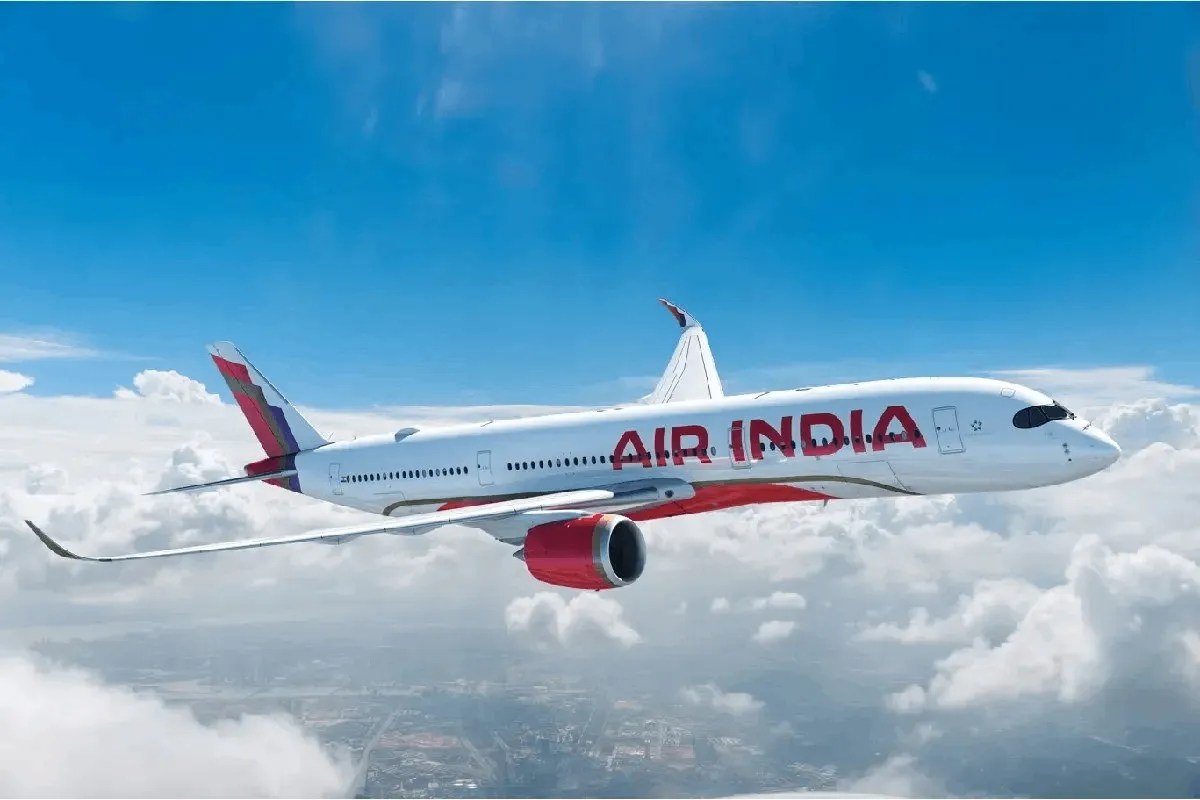
On November 23, 2026, Air India and its budget subsidiary Air India Express officially extended their freeze on all flights to and from Jeddah, Dammam, and Riyadh until November 30. Earlier in the month, Jeddah had a slightly shorter suspension window ending November 21 and then November 24, which tricked plenty of travelers into rebooking onto late-November Jeddah departures. Those flights are now gone too.
If you hold a confirmed ticket issued on or before November 10 for travel up to November 30, the Tata-owned carriers allow a one-time free date change or a full refund. Air India Express is offering a slight workaround that most travelers miss—you can rebook onto any operating station in Bahrain at no extra fare difference, provided seats exist.
IndiGo
IndiGo commands massive market share on India-Gulf routes, so its November 18 announcement hit hardest. The airline halted services across four Saudi cities—Riyadh, Dammam, Jeddah, and Madinah—through November 30. Losing direct Madinah connectivity on IndiGo created an immediate bottleneck for religious pilgrims who specifically booked direct flights to avoid the chaotic ground transfer from Jeddah.
Akasa Air
As the newest entrant on the Saudi corridor, Akasa Air suspended all flights connecting Riyadh and Jeddah through November 30. Akasa has been relatively transparent about refund timelines, committing to return money to the original payment method within seven days. Still, if you booked through an online travel agency (OTA) like MakeMyTrip or EaseMyTrip, expect that seven-day window to stretch into three weeks while the middleman processes the airline's credit.
Why Saudi Airlines Are Flying While Indian Carriers Stay Grounded
Here's the detail that confuses almost every stranded passenger. Walk into Mumbai, Delhi, Hyderabad, or Kochi airports right now, and you'll still see Saudi carriers boarding passengers for the exact same destinations.
Why are Saudia and low-cost carrier flynas operating while Air India, IndiGo, and Akasa Air remain grounded?
It comes down to aviation insurance underwriters and sovereign risk appetites. International insurers categorize airspace risk differently based on an airline's country of registration and state backing. When missile or drone alerts flare up near the Red Sea or Arabian Peninsula, hull and war-risk insurance premiums for foreign carriers spike overnight. For Indian budget airlines operating on razor-thin margins, flying a Boeing 737 MAX or Airbus A320neo into a contested zone isn't financially viable once war-risk surcharges kick in—nor is the Directorate General of Civil Aviation (DGCA) willing to gamble with Indian-registered aircraft.
Meanwhile, Saudi carriers operate out of their home hubs with direct military airspace coordination and state-backed insurance coverage. In fact, flynas has actively stepped into the vacuum, adding extra flights from Dammam to six Indian cities, including Lucknow, to absorb stranded workers and pilgrims.
The Hidden Financial Trap of Taking a Full Refund
When your flight gets cancelled, clicking "Request Full Refund" feels like the safest move. Honestly, if you must travel in the next two weeks, taking a refund might be the worst financial mistake you can make.
Think about basic supply and demand. Removing four Indian airlines from the India-Saudi market overnight wiped out thousands of daily seats. Last-minute one-way economy fares on operating carriers—whether direct on Saudia or one-stop via Emirates, Etihad, Qatar Airways, or Gulf Air—have surged dramatically.
If you paid ₹16,000 for an IndiGo round-trip ticket two months ago and take a ₹8,000 refund for your cancelled outbound leg, you won't find a replacement seat for anywhere near ₹8,000. You'll easily spend ₹35,000 to ₹55,000 out of pocket for a last-minute connection through Dubai, Abu Dhabi, Doha, or Manama.
Before you cancel for cash, force the airline's support team to check interline rebooking or partner endorsements. Full-service carriers like Air India have interline agreements with Gulf airlines. While budget carriers like IndiGo and Akasa rarely rebook passengers onto rival airlines, Air India agents can sometimes endorse your ticket onto a partner carrier without charging you the fare difference—if you push politely and escalate to a supervisor.
Special Complications for Umrah Pilgrims and Iqama Holders
Not every traveler faces the same stakes when a flight gets scrubbed. Two specific groups are bearing the brunt of this disruption, and both face strict immigration clocks that airlines don't care about.
Umrah Pilgrims on Fixed Visas
November is peak Umrah season. Thousands of Indian pilgrims travel on tightly choreographed 14-day or 21-day packages where hotel bookings in Makkah and Madinah are non-refundable and tied to specific entry and exit dates.
The Indian Consulate in Jeddah has had to step in directly, coordinating with the Saudi Ministry of Hajj and Umrah to address visa validity issues caused by delayed departures. If you're stuck in Saudi Arabia because your return flight on IndiGo or Air India Express vanished, do not overstay your visa assuming you get an automatic grace period. Saudi immigration fines for overstaying are steep and can trigger travel bans. Contact the Indian Consulate's 24/7 control rooms in Jeddah or Makkah immediately, and have your tour operator log a visa extension request through the Nusuk or Muqeem portals before your stamp expires.
Expat Workers and Re-Entry Visas
For blue-collar and white-collar Indian expats returning to jobs in Riyadh or Dammam, an expired Exit/Re-Entry visa is a nightmare. If your company sponsored your visa and your return flight got pushed past November 30, notify your employer's HR department today. Sponsors can extend Exit/Re-Entry visas electronically via the Absher platform while you're still in India, though it incurs a government fee. Don't wait until December 1 hoping your flight operates—if your visa expires at midnight on November 30, boarding a flight on December 2 becomes impossible anyway.
What About Compensation Under DGCA Rules?
Many passengers assume they're owed extra cash compensation—similar to European Union EC 261 payouts—on top of a refund when an airline cancels a flight last minute.
Under India's DGCA Civil Aviation Requirements (CAR) and international conventions, you are not entitled to financial compensation for these cancellations. Security threats, regional hostilities, and airspace closures fall squarely under "extraordinary circumstances" outside the airline's control.
What the airline still owes you, however, is basic duty of care if you're stranded mid-journey away from your home city. If you flew from Jaipur to Mumbai on a single PNR connecting to Jeddah and got stuck in Mumbai because the international leg was cancelled after you started your trip, the airline must provide meals, hotel accommodation, and airport transfers until they either re-route you or fly you back to your origin. Never accept a voucher that forces you to forfeit your right to a full cash refund if you decide to abandon the trip.
Practical Steps to Protect Your Trip Right Now
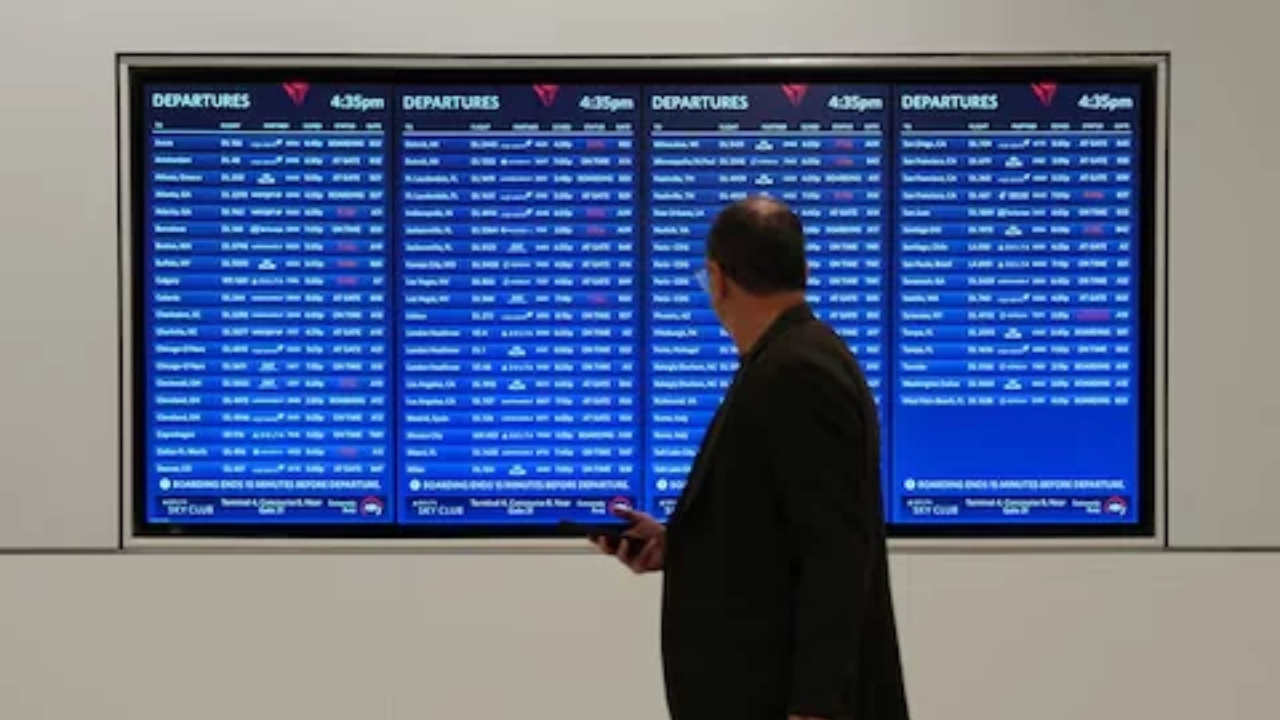
Don't sit around waiting for an SMS from the airline. Automated notifications frequently lag hours behind operational cancellations, leaving passengers stranded at departure terminals. Take these concrete actions today:
- Verify your PNR directly on the airline's manage-booking portal. Ignore third-party flight tracker apps, which often display scheduled phantom flights until departure time.
- Check the Bahrain or UAE backdoor. If you're booked on Air India Express to Dammam, ask their call center (+91 124 6935600) to switch your arrival to Bahrain for free. From Bahrain International Airport, a taxi across the King Fahd Causeway puts you in Dammam or Al Khobar in roughly an hour—provided you hold a valid Saudi visa or Iqama that permits land-border entry.
- Avoid booking December 1–3 departures unless you buy flexible fares. Because airlines have already extended this pause multiple times, early December schedules remain fragile. If your travel is non-negotiable, pay extra for a refundable ticket or book directly on Saudia, flynas, or a major Gulf hub carrier.
- Bypass OTAs for urgent schedule changes. While airlines tell OTA customers to contact their booking agents, most travel portals lock automated changes within 24 hours of departure. Call the airline's direct reservation desk—Air India (+91 11 69329333) or IndiGo's international support line—and ask them to take control of the ticket under involuntary disruption rules.
- Save every receipt if stranded. Keep itemized bills for airport meals, taxis, and emergency hotel stays if a mid-route cancellation leaves you stuck in a transit city, as you'll need them to file a duty-of-care reimbursement claim.