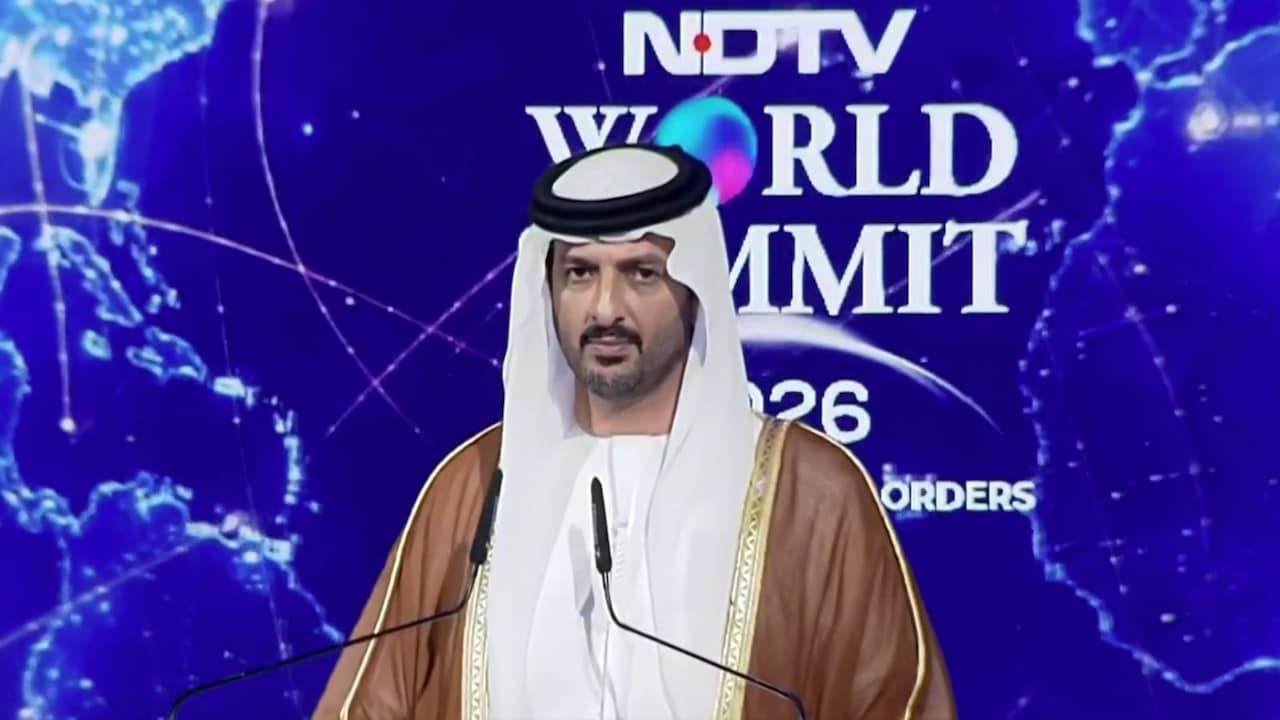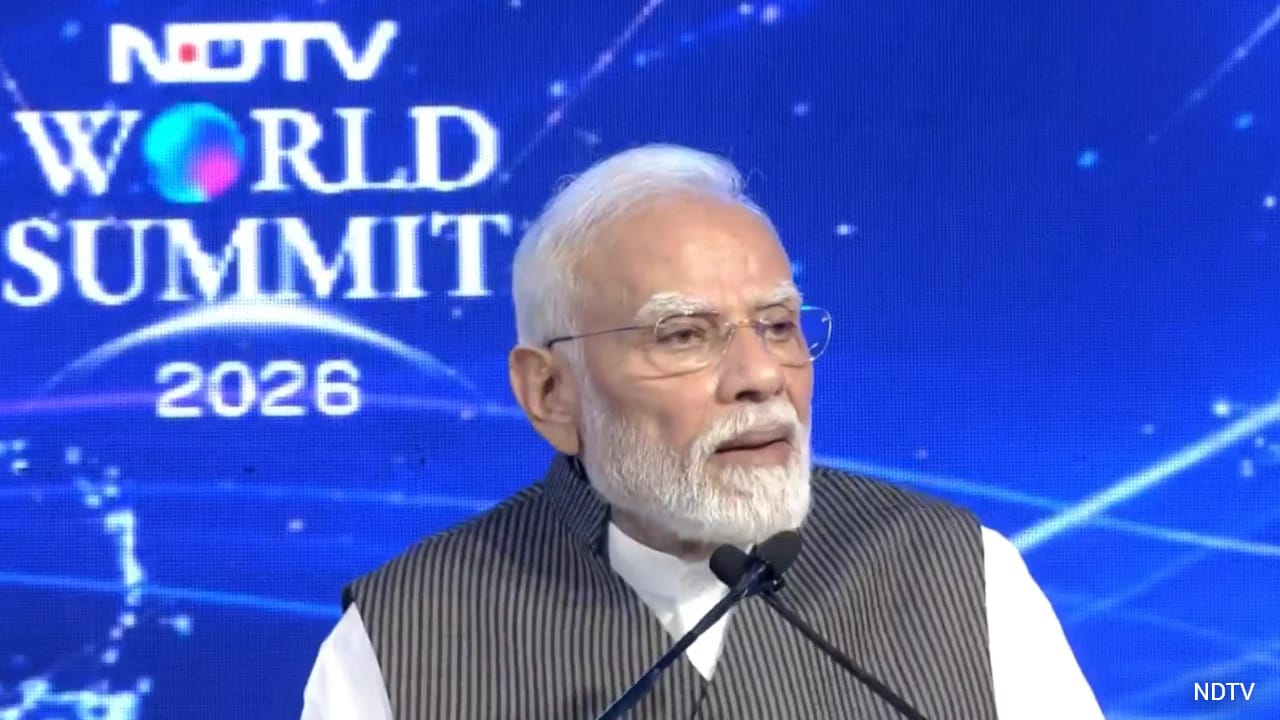
External Affairs Minister S. Jaishankar warned at the NDTV World Summit in New Delhi that an India US trade deal is never done until it is done, cautioning that the final stretch of high-stakes negotiations carries sharp friction. Both New Delhi and Washington have signaled that a pact is close—with US Secretary of State Marco Rubio noting after meeting Jaishankar in Mumbai that negotiators are wrapping up a small set of remaining items—yet closing the gap between political optimism and signed legal text remains grueling. For exporters, importers, and corporate strategists watching the talks, the real story is not that negotiators are talking, but why the final mile has turned into a minefield of tariffs, energy politics, and visa rules.
Anyone who has covered bilateral commerce for twenty years knows a hard truth about trade diplomacy. Headlines celebrate "momentum" months before ink hits paper, while the actual work happens in grinding line-by-line disputes over duties, rules of origin, and non-tariff barriers. A single exemption for a politically sensitive farm product or industrial input can stall an entire package for weeks. When leaders talk about finishing lines, seasoned trade hands look at what is still sitting on the table and who stands to lose if a compromise is rushed.
The Illusion of the Final Mile in Bilateral Trade
Public assurances from senior officials often sound like a countdown clock, yet trade agreements rarely cross the finish line on a neat schedule. In New Delhi, Jaishankar pointed out that the last mile or penultimate miles often bring their own hurdles as teams work through unresolved sticking points. Even weeks later at the Hindustan Times Leadership Summit, as he noted that the bulk of issues had been sorted out ahead of expected diplomatic meetings around the G20 Summit in Miami, he emphasized that patience is in short supply when everyone wants instant certainty.
Why does a deal that looks ninety percent finished still take months to close? Because the final ten percent usually contains the most politically toxic trade-offs. Early rounds clear away broad frameworks and cooperative language. Late rounds force ministries to admit which domestic constituencies will absorb cheaper foreign competition or tighter regulatory compliance.
Washington and New Delhi are not negotiating in a vacuum either. Tariffs imposed or threatened during the Trump administration have altered the baseline math for exporters on both sides, making tariff relief less about textbook free trade and more about defensive protection against rival suppliers. When negotiators go tariff line by tariff line, as Jaishankar described, every digit carries domestic weight. Cutting a duty by five percentage points might help an Indian auto component or textile exporter compete in Ohio, while exposing a small US manufacturer to price pressure. Multiply that across hundreds of product codes and you see why speed is the enemy of precision.
There is also a structural mismatch between how political leaders and trade bureaucrats measure progress. A president or prime minister can declare that two sides are "pretty close" based on strategic alignment and top-line commitments. Technical negotiators still have to reconcile customs definitions, dispute settlement language, and enforcement triggers so the agreement survives legal scrutiny without triggering unintended retaliation.
Tariffs, Supply Chains, and Competing Export Rivals
At the heart of the India US trade deal sits a blunt commercial question. Will Indian goods gain preferential tariff treatment over competing export economies in the American market? For Indian manufacturers trying to capture supply chain shifts away from other Asian hubs, tariff parity or advantage is not a nice-to-have feature. It is the difference between winning a multi-year procurement contract and getting priced out at the dock.
Consider a hypothetical example to see how tariff math plays out on the factory floor. Suppose an Indian industrial valve maker and a rival manufacturer from another exporting nation both ship similar components to a US distributor. If the rival enjoys lower effective duties or fewer customs hurdles, the US buyer has a straightforward margin incentive to stay put even if Indian quality is equal. A trade pact that narrows that tariff gap—or locks in predictable rules—changes the procurement spreadsheet overnight.
Yet tariff concessions from Washington rarely come free. US negotiators routinely press for better market access in sectors where American firms hold competitive strengths, alongside assurances on standards, intellectual property, and regulatory transparency. For New Delhi, opening domestic markets too fast risks squeezing domestic micro, small, and medium enterprises that already wrestle with credit costs and logistics friction.
Serious tariff negotiations are won or lost in the footnotes—where customs classifications, origin rules, and carve-outs decide which sectors actually feel relief.
Even when both capitals want a deal, domestic politics on each side sets hard ceilings. In the United States, industrial and agricultural coalitions watch trade pacts closely for any hint of job displacement or import surges. In India, policymakers guard sensitive sectors such as agriculture, dairy, and small-scale manufacturing with fierce caution because livelihoods in those segments are tied directly to political stability. That tug-of-war explains why negotiators can agree on broad economic cooperation while haggling endlessly over specific product lists.
Energy Diversification and Geopolitical Friction
Trade talks between New Delhi and Washington have never been purely about merchandise boxes moving across oceans. Energy and geopolitics sit right next to tariff schedules in every serious bilateral discussion. During engagements involving Rubio and Jaishankar, energy cooperation—including diversifying India's energy supply chains and expanding US energy trade—has featured alongside trade, defense, and technology.
For India, energy security is a pragmatic balancing act rather than a single-supplier bet. Refineries and utilities look at landed cost, crude grades, shipping routes, and geopolitical risk. Expanding purchases of US energy can help diversify supply sources and meet rising domestic demand, as Washington has emphasized, while India continues to weigh broader energy sourcing options including supplies from other major producers.
Geopolitical friction outside the trade ministry also spills into the room. Tensions over broader diplomatic flashpoints, shifting tariff policies, and past disputes over regional security narratives create background noise that makes trust harder to build. When a relationship experiences periodic strain, neither side wants to look like it conceded foundational interests just to hit an artificial diplomatic deadline.
Still, there is a counter-argument worth taking seriously. Some analysts argue that heightened geopolitical uncertainty actually pushes big powers toward pragmatic commercial guardrails rather than away from them. When global shipping lanes face disruption and supply chains feel brittle, an agreement that stabilizes market access and energy logistics can look like a strategic buffer. The catch is that strategic urgency alone does not solve technical disagreements over customs valuation or regulatory exemptions.
The Visa and Services Blind Spot
Any honest assessment of the India US trade deal has to confront a glaring asymmetry in how the two economies connect. Goods trade dominates tariff headlines, yet services—especially technology, engineering, and business process talent—are central to India's economic relationship with the United States.
Recent friction over US immigration policy, higher H-1B visa fees, and restrictions affecting Green Card processing programs used by major Indian IT firms such as Tata Consultancy Services and Wipro has underscored how vulnerable services mobility can be. When visa costs rise or processing pathways narrow, companies face higher compliance expenses, slower project deployment, and tougher talent allocation between Bengaluru, Hyderabad, and American client sites.
Here lies an uncomfortable reality for observers expecting a quick cure-all. A goods-focused trade pact does not automatically reverse broader immigration or visa policy choices made in Washington. Those rules are often driven by domestic US labor debates and executive or legislative priorities that sit outside standard tariff bargaining.
| Friction Point | What Washington Typically Pushes | What New Delhi Typically Guards | Why It Slows the Deal |
|---|---|---|---|
| Tariff Lines & Market Access | Lower duties and fewer barriers for US exports | Preferential access for Indian exports without hurting domestic SMEs | Line-by-line concessions create clear winners and losers at home |
| Energy & Supply Chains | Greater role for US energy exports and supply diversification | Cost, grade fit, and multi-source flexibility for Indian refiners | Commercial economics and geopolitical risk collide with policy goals |
| Talent Mobility & Visas | Tighter domestic labor protections and stricter visa/Green Card rules | Predictable mobility and lower friction for IT and skilled services | Immigration policy sits largely outside conventional tariff trade-offs |
Ignoring this divide leads to bad business planning. An exporter focused on engineered goods may see major upside from tariff relief, while an IT services executive banking on sudden visa liberalization could be setting themselves up for disappointment. Treating "the trade deal" as a single switch that fixes every bilateral friction misses how Washington and New Delhi actually divide authority across agencies.
What Executives and Policymakers Should Watch Next
Waiting around for a headline announcement is a weak strategy when talks are in their final, most volatile phase. Companies with exposure to US-India trade should audit their supply chains by specific tariff code rather than relying on broad optimism about bilateral ties. Knowing which inputs face steep duties, which products compete against subsidized or lower-tariff rivals, and where alternative sourcing is feasible gives operating leaders real leverage regardless of timing.
Policymakers, meanwhile, face a narrower test of credibility. Announcing a framework too early only invites backlash if core disputes remain unresolved, while dragging talks out indefinitely erodes business confidence on both sides. Watch how negotiators handle the final handful of unresolved items—because the compromises buried in those last lines will tell you whether this agreement builds lasting commercial predictability or simply papers over tough disagreements until the next dispute hits.