Cargo ships don't sail where they want. They sail where geography and military protection allow them to go. When a tiny stretch of water like the Bab el-Mandeb Strait gets squeezed, inflation spikes in grocery stores thousands of miles away, and nobody seems to have an easy fix.
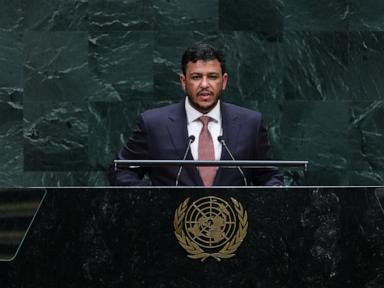
Yemen's internationally recognized government recently took this exact warning to the United Nations. They made it clear that the ongoing territorial and tactical moves by Iran-backed Houthi rebels around this critical chokepoint aren't just local skirmishes. They are a direct gun pointed at the throat of international supply chains.
If you think a war thousands of miles away doesn't affect your daily expenses, look at how easily a handful of well-positioned fighters can disrupt the flow of global commerce.
The Geography of Global Vulnerability
The Bab el-Mandeb Strait is barely twenty miles wide at its narrowest point. It connects the Red Sea to the Gulf of Aden, acting as a shortcut between Asia and Europe via the Suez Canal. Millions of barrels of oil and billions of dollars in consumer goods pass through this narrow corridor every single week.
When Houthi forces push closer to these vital shipping lanes or establish operational control along the Yemeni coastline, the entire maritime calculus changes.
Shipping lines face a grim choice. They can risk transit through a zone prone to missile attacks and drone surveillance, or they can reroute completely. Rerouting around the southern tip of Africa adds weeks to transit times and burns massive amounts of fuel. Those extra costs do not get absorbed by shipping conglomerates. They trickle down straight to the consumer, showing up as higher price tags on everything from electronics to fresh produce.
Why Military Deterrence Hits Limits
For years, major powers have tried to bomb or blockade their way out of this crisis. A U.S.-led naval presence and targeted airstrikes have attempted to degrade Houthi military infrastructure. Yet, the group has proven resilient, adapting its tactics and maintaining pressure on regional trade.
Air campaigns can destroy launch pads, but they cannot secure a fractured nation on the ground. Yemen's official government continues to sound the alarm at the UN because military intervention alone hasn't stopped the bleeding. Without ground security and a stable political resolution inside Yemen, maritime security remains an impossible puzzle.
Insurgents operating asymmetric warfare tactics do not need to win a conventional war to cause chaos. They just need to make the cost of transit high enough that commercial captains refuse to take the risk.
The Ripple Effect on Everyday Economics
Most people treat geopolitical news as background noise until it hits their wallets. But modern supply chains operate on razor-thin margins and strict schedules. When a primary global trade artery constricts, insurance premiums for cargo ships skyrocket overnight.
Fuel prices fluctuate based on perceived risk, not just current supply. Manufacturers find themselves waiting on raw components that are stuck floating around the African continent instead of cutting through the Red Sea.
This vulnerability exposes a dangerous flaw in global trade. We rely heavily on a handful of narrow waterways—chokepoints like the Suez Canal, the Strait of Hormuz, and the Bab el-Mandeb—that can be weaponized by regional actors with relatively low-cost technology.
Resolving the threat requires more than naval escorts. It demands a hard look at how fragile our interconnected economy really is, and why local conflicts in strategically vital regions will always find a way home to your local market.