The global shipping community is currently falling for a linguistic magic trick.
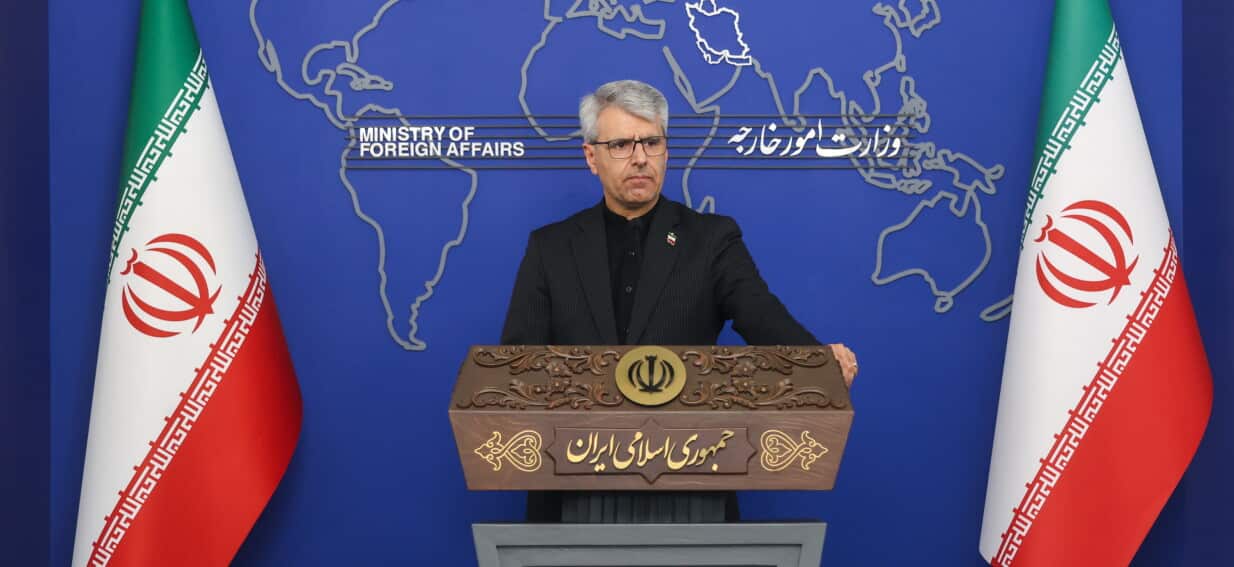
When Iranian Foreign Ministry spokesman Esmaeil Baghaei stepped to the microphone to announce that vessels transiting the Strait of Hormuz must now pay for "navigational services" and "environmental protection measures," the media swallowed the hook whole. Headlines instantly parroted the official line: Tehran is not imposing tolls.
What absolute nonsense.
Mainstream analysts are treating this as a technical update on maritime administrative fees. They are deeply debating whether the framework complies with the United Nations Convention on the Law of the Sea (UNCLOS). They are completely missing the point.
This isn't an administrative update. It is the sophisticated financialization of a geopolitical chokepoint. Iran is not backing down from controlling the strait; it is building a permanent, legalized toll booth inside the global supply chain.
The Semantic Trap of Transit Passage
The lazy consensus says that because international law forbids charging ships for passing through an international strait, Iran’s new fee structure will quickly dissolve under international arbitration.
It won’t.
I have watched corporate legal departments blow millions of dollars trying to litigate geopolitical realities using maritime law text books. It is a losing strategy. The reality is that Iran never ratified UNCLOS. While they are technically bound by customary international law regarding "transit passage," their legal team has found a brilliant, asymmetric loophole.
Under Article 26 of UNCLOS—and matching tenets of customary law—coastal states cannot levy charges for mere passage. However, they can charge for specific services rendered. This is where the nuance lies. By rebranding a geopolitical barrier as an operational "navigational service" or an "environmental tax," Tehran is shifting the debate from an illegal blockade to a mundane regulatory dispute.
Consider the mechanics. If Iran demands a fee for providing active traffic management, anti-pollution monitoring, or emergency response positioning, a maritime court could take a decade to decide if those services were actually "rendered." Meanwhile, the invoices are real, the IRGC checkpoints are active, and the ships are paying.
The Trillion Dollar Security Premium
Imagine a scenario where a compliance officer at a European energy conglomerate has to choose between two options. Option A: Refuse to pay a $50,000 "environmental fee," wait for an international tribunal to rule on sovereign rights, and risk a $150 million tanker being detained by fast-attack craft. Option B: Pay the fee, log it as an operational cost, and pass the expense down to the consumer.
They will choose Option B every single time.
The market is already pricing this in. JP Morgan’s recent energy assessments noted that an outright toll system could yield hundreds of billions of dollars in systemic revenue. But the real cost isn't the line-item fee on the invoice. The real cost is the normalization of the security premium.
By cooperating with Oman to draft a "comprehensive protocol," Iran is attemptng to manufacture institutional legitimacy. They aren’t trying to break the global trade system; they are trying to become its landlord.
Why Bypassing the Strait Is a Fantasy
The standard, uninspired advice from traditional supply chain consultants is predictable: Diversify your routes. Utilize cross-Arabian pipelines. Avoid the chokepoint.
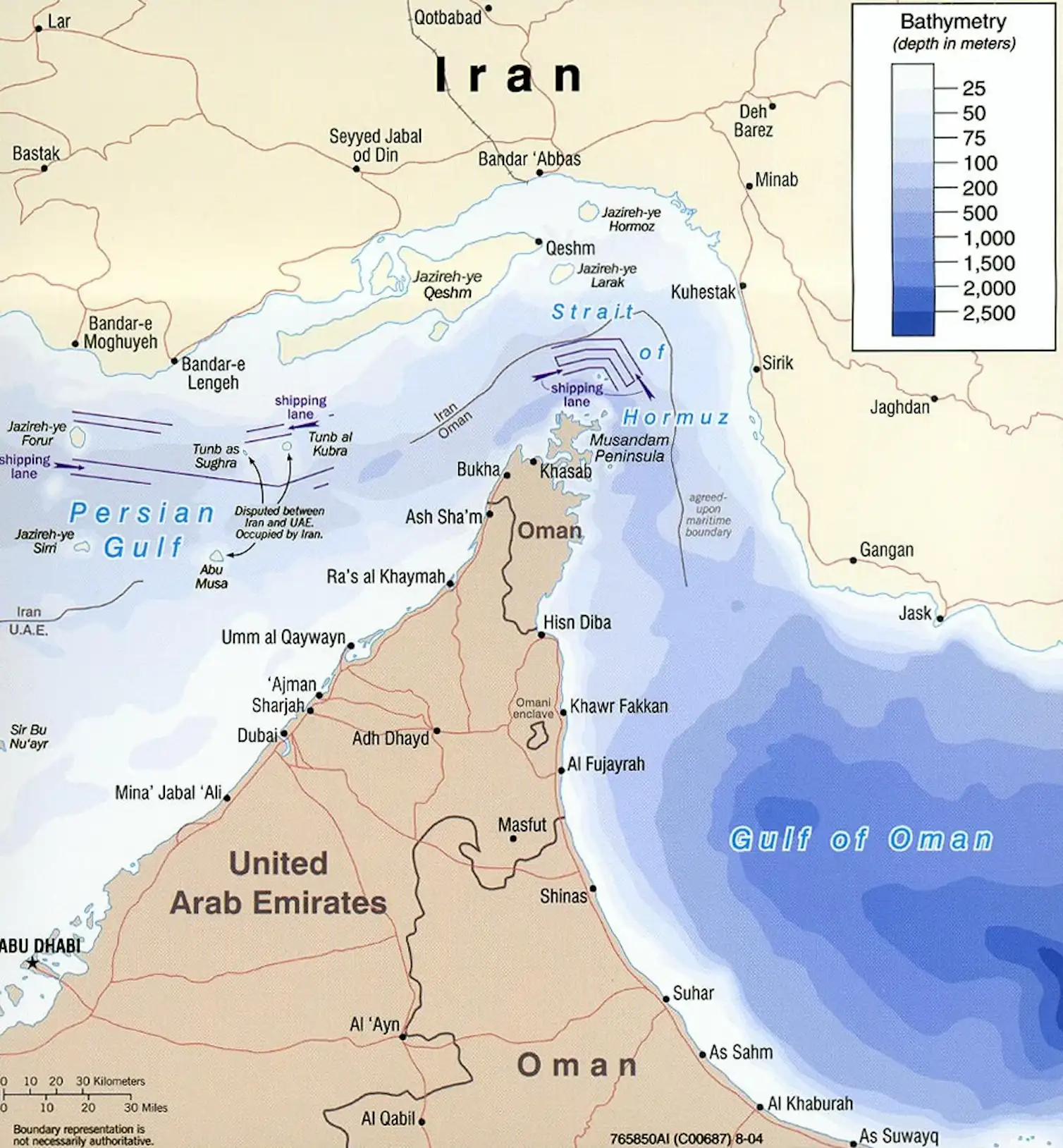
This advice is completely disconnected from physical reality. The East-West maritime corridor relies on the Strait of Hormuz to move roughly 20 percent of the world's petroleum. You cannot seamlessly reroute 20 million barrels of oil per day through pipelines that are already running near capacity. The infrastructure to bypass Hormuz at scale does not exist.
Furthermore, this creates a dangerous precedent for other critical global chokepoints. If the shipping industry accepts a gray-zone "environmental tax" in Hormuz, what stops Egypt from introducing a "carbon-mitigation levy" for the Suez Canal? What prevents littoral states around the Strait of Malacca from introducing mandatory "maritime safety service fees"?
Geography is being aggressively monetized.
The Actionable Reality for Global Logistics
Stop waiting for a naval coalition to clear the lane or a court to declare the fees illegal. The rules of global trade are being rewritten in real-time, and might is making right.
If you are managing maritime freight or energy logistics, you must accept three brutal truths:
- The Cost is Permanent: Budget for these fees as fixed operational expenses. They are not temporary war premiums; they are the new cost of doing business in the Middle East.
- The Vetting is Geopolitical: Access to these "services" is tiered. Non-hostile vessels—primarily Chinese, Greek, and Pakistani tankers—are already paying and moving smoothly. Western operators will face higher compliance friction and inflated insurance rates.
- Legalism is Dead: Your corporate legal team cannot protect your cargo with an UNCLOS citation when an armed boarding party is on the bridge.
The Iranian regime isn't acting like a collection of rogue actors; they are playing the role of sophisticated sovereign entrepreneurs. They have realized that you don't need to sink a tanker to control an ocean—you just need to send them a bill they are forced to pay.
For a deeper look into how these escalating maritime tensions are fundamentally shifting energy markets and driving up global fuel prices, watch this analytical breakdown: Navigational Service Fees in Hormuz. This video outlines the immediate reactions of Gulf nations and the direct economic consequences of Iran's new maritime framework.