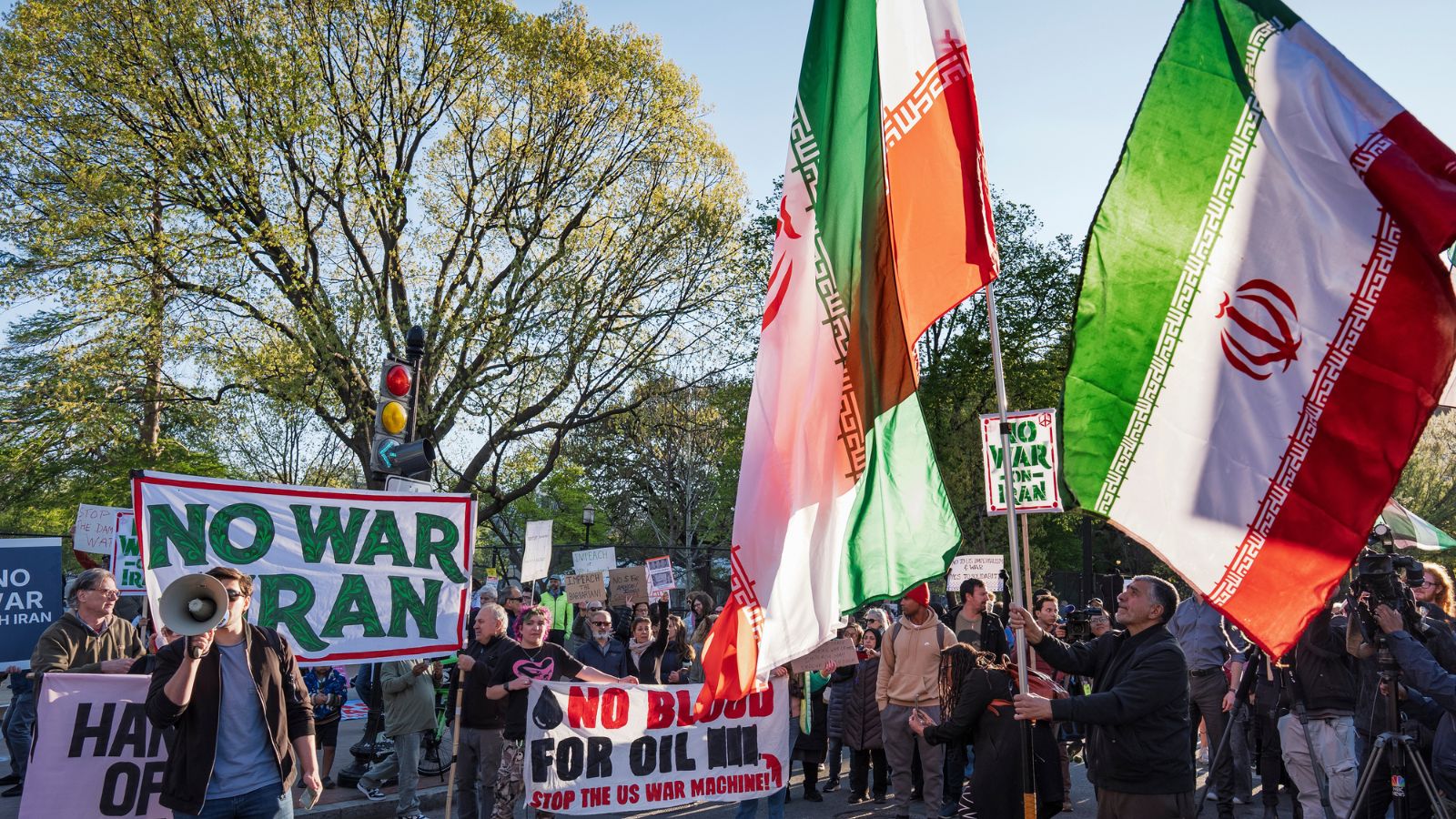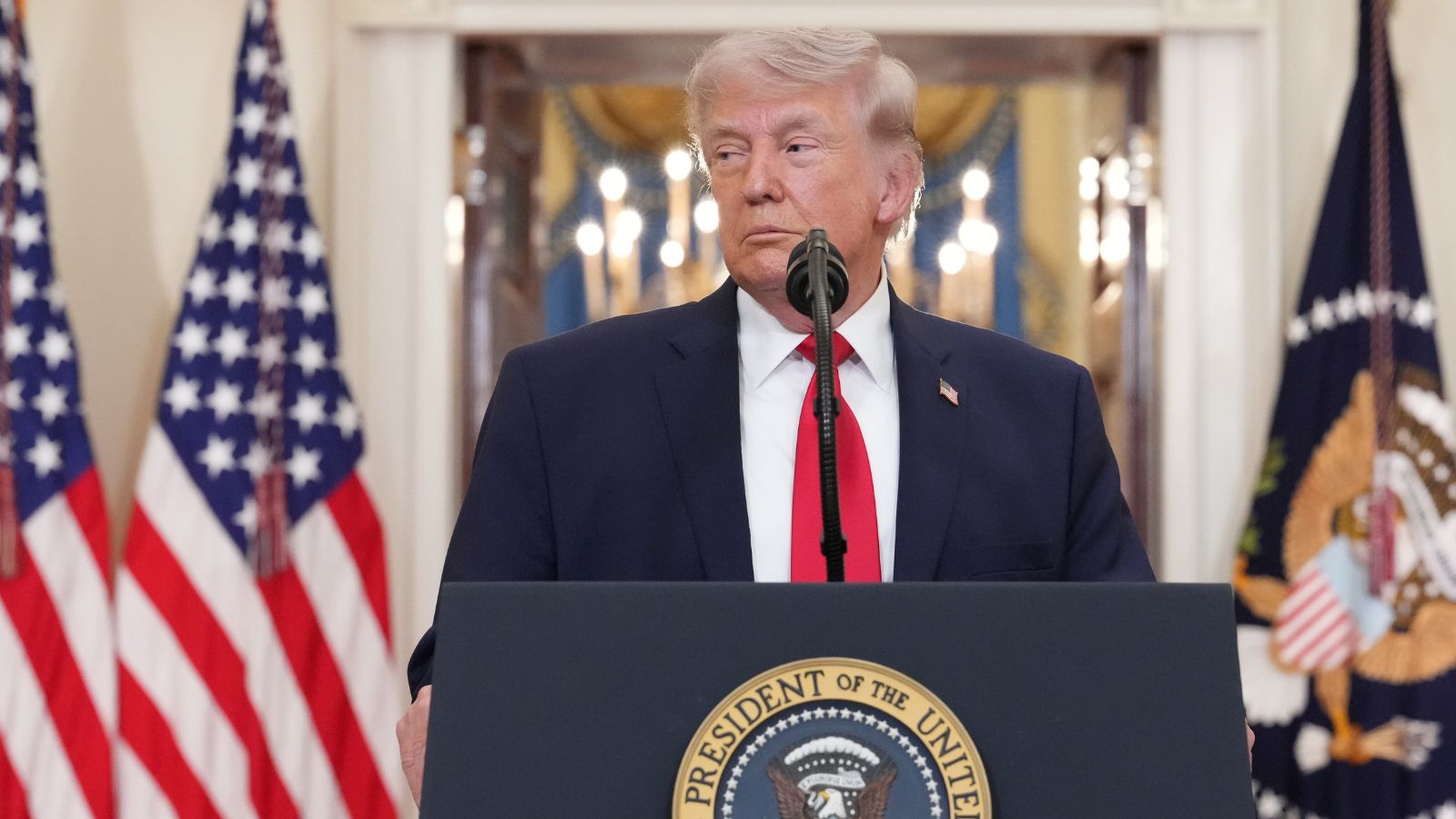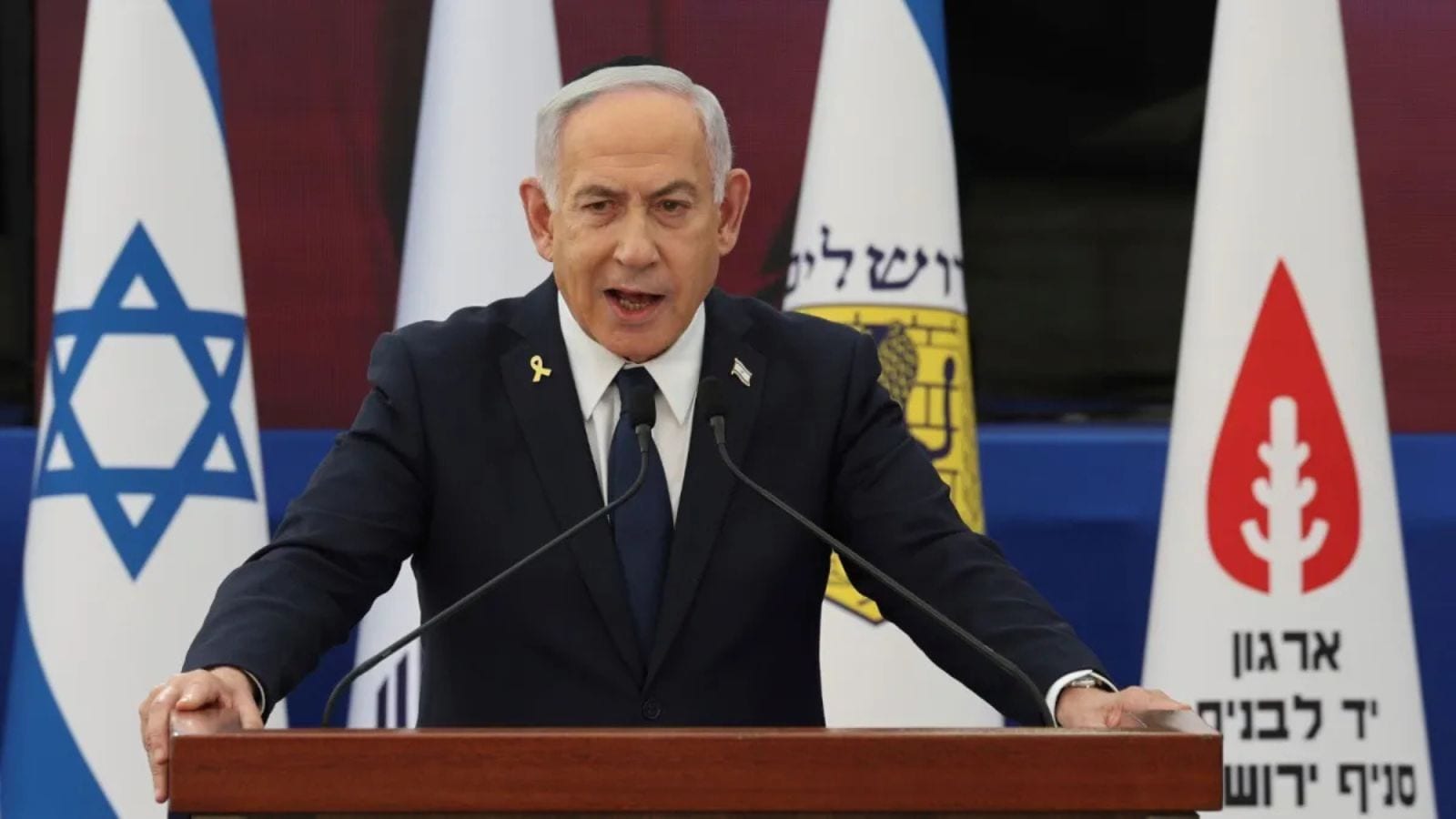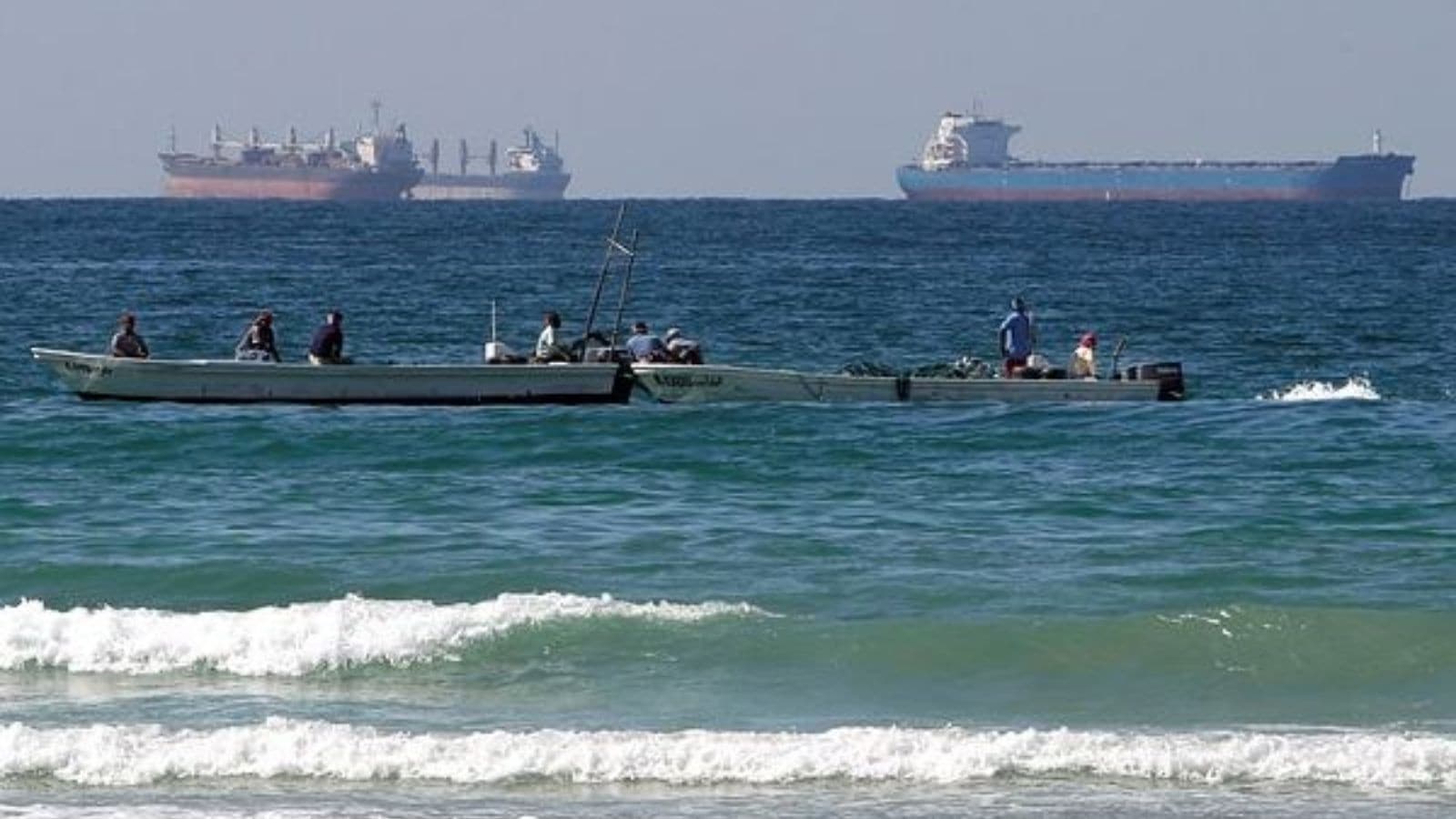
The maritime blockade of the world’s most critical energy artery has not ended. It has merely entered a more expensive phase. While the headlines of the last 24 hours trumpet a two-week ceasefire between Washington and Tehran, the reality on the water reveals a much darker shift in the global order. The first ships to pass through the Strait of Hormuz since the February 28 strikes—the Daytona Beach and the NJ Earth—did not transit under the protection of international law. They moved because they paid.
The "Tehran Toll Booth" is now open for business. By imposing a $2 million "transit fee" and requiring direct coordination with Iranian armed forces, the Islamic Republic has effectively converted one of the world's most vital maritime chokepoints into a private Iranian lake. This 14-day window is not a de-escalation; it is a stress test for a new, illegal status quo.
The Fourteen Day Trap
The 39 days leading up to this moment were defined by kinetic warfare—missiles, drones, and the harrowing sight of tankers like the Sincere 02 ablaze in the Gulf of Oman. The next 14 days will be defined by something far more insidious: the normalization of extortion.
Washington’s acceptance of this temporary pause, conditioned on the opening of the Strait, carries a hidden cost. By allowing Iran to dictate which vessels are "non-hostile" and which must pay for passage, the U.S. has tacitly acknowledged a degree of Iranian sovereignty over international waters that has been resisted for half a century. The proposal for a permanent deal, slated for discussion in Islamabad, sits on a foundation of shifting sand. Iran’s Supreme National Security Council has already declared it has "achieved its objectives." Those objectives were never about winning a conventional war against a superpower; they were about proving that the U.S. cannot guarantee the freedom of navigation in the Persian Gulf without Tehran's permission.
A Ghost Economy in the Gulf
To understand the scale of the failure, look at the numbers the market is trying to ignore. Before the February 28 strikes, war-risk insurance premiums for the Strait sat at 0.125%. Today, they have spiked four to six times that amount. For a Very Large Crude Carrier (VLCC), a single transit now costs an additional quarter of a million dollars in insurance alone, even without the $2 million "fee" Iran is demanding.
The economic carnage of the last month is staggering.
- Brent Crude: Rose to $109, a 50% jump since the conflict began.
- Shipping Traffic: Tanker volume dropped by 70% in March.
- Supply Chain: QatarEnergy and Kuwait Petroleum Corporation were forced into force majeure, essentially freezing contracts they could no longer fulfill.
The ceasefire does not magically restart these engines. It takes weeks to reposition tankers, and even longer to convince insurers that a two-week pause is a trend rather than a trap. Most major container lines, including Maersk and Hapag-Lloyd, remain diverted around the Cape of Good Hope. They are not coming back for a 14-day experiment.
The Technology of Denial
The U.S. military’s inability to simply "clear the path" reveals a humbling evolution in asymmetric warfare. This wasn't just about anti-ship missiles. Iran utilized a sophisticated layer of denial that made conventional escorting nearly impossible.
Satellite spoofing and GNSS jamming turned the narrow passage into a navigational graveyard. Bridge officers reported GPS coordinates placing them miles inland or in the middle of Iranian minefields. When the U.S. and Israel targeted naval facilities and mine-laying vessels, Iran pivoted to civilian-looking dhows and unmanned surface vessels (USVs) that are nearly indistinguishable from local traffic until they explode.
The ceasefire provides Iran with the one thing it needs most: time to reseed its minefields and recalibrate its electronic warfare suites. Every day the U.S. remains in a "wait and see" posture is a day Tehran uses to dig in deeper.
The Islamabad Gambit
The upcoming negotiations in Pakistan are being framed as a path to peace, but the 10-point proposal from Iran is a list of demands for total regional hegemony. They are seeking a permanent end to the war with guarantees against future strikes, all while maintaining the "technical limitations" they have placed on the Strait.
Israel, meanwhile, remains the wild card. While the U.S. pushes for a diplomatic exit, the Israeli defense establishment continues to view the Iranian petrochemical and missile infrastructure as targets that must be finished, not spared. The strike on the South Pars natural gas field in March showed that Jerusalem is willing to ignore Washington’s de-escalation timelines if it perceives a lingering existential threat.
The world is watching the ships move again and breathing a sigh of relief. That relief is premature. The Strait of Hormuz is no longer a global common; it is a hostage being ransomed back to the international community two weeks at a time. If the Islamabad talks fail—and given the distance between Trump’s "Stone Age" rhetoric and Iran’s "Toll Booth" reality, they likely will—the return to violence will be swifter and more devastating than the initial outbreak.
The next 14 days are not about peace. They are about whether the West is willing to pay a permanent tax to a regime it just spent 39 days trying to bomb into submission. If the "Tehran Toll" stands, the war hasn't ended; it has just been billed to the consumer.
Prepare for the price at the pump to reflect a world where the oceans are no longer free.