The headlines are screaming again. Rubio is on the airwaves, the talking heads are vibrating with anxiety, and the "imminent" threat to the Strait of Hormuz is being treated like an absolute certainty. They want you to believe that if Tehran doesn't like a US proposal, the global economy collapses tomorrow. They want you to think the only solution is a massive, multi-national naval wall.
They are wrong.
This isn't just about missing the forest for the trees; it’s about failing to realize the forest is made of cardboard. The obsession with "securing" the Strait of Hormuz through traditional naval posturing is a 1980s solution to a 2026 problem. It ignores the actual mechanics of energy markets, the reality of Iranian internal pressure, and the fact that a "bottleneck" only works if the bottle actually contains what you think it does.
The Myth of the Sudden Blackout
The lazy consensus suggests that Iran can simply "flip a switch" and stop the flow of global oil. This narrative treats the Strait of Hormuz like a kitchen faucet. In reality, it is a complex, high-stakes diplomatic and economic pressure valve that Tehran is terrified of actually closing.
Why? Because Iran isn't a hermit kingdom. It is an economy gasping for air, and its primary customers aren't in Washington or London. They are in Beijing and New Delhi.
If Iran shuts the Strait, they aren't just "sending a message" to the US. They are declaring economic war on their only remaining lifelines. China imports roughly 1.5 million barrels of Iranian crude per day. Do we honestly believe Tehran is going to alienate its only superpower patron to make a point to Marco Rubio?
The "imminent response" theater is a tool for leverage, not a blueprint for suicide. When we treat these threats as tactical realities rather than rhetorical posturing, we hand the leverage back to the very entity we are trying to contain.
The Navy is the Wrong Tool
The calls for "allies to secure the Hormuz" sound decisive. They look great on a campaign flyer. But in the water, they represent a fundamental misunderstanding of modern asymmetric warfare.
You cannot "secure" a 21-mile-wide waterway against a swarm of low-cost drones, semi-submersible mines, and land-based anti-ship missiles using multi-billion dollar destroyers. I have watched planners sink millions into "presence missions" that do nothing but provide more targets for $20,000 loitering munitions.
We are trying to protect 19th-century trade routes with 20th-century hardware against 21st-century threats. If a conflict actually starts, a "coalition fleet" in the Strait is just a target-rich environment. The real security doesn't come from hulls in the water; it comes from the diversification of transit.
The Pipeline Reality Check
While politicians argue about naval escorts, they ignore the fact that the "chokehold" is already being bypassed. Saudi Arabia’s East-West Pipeline and the UAE’s Habshan-Fujairah line can already move millions of barrels per day directly to the Red Sea or the Gulf of Oman, completely skipping the Strait.
The status quo bias is so strong that we ignore the infrastructure already on the ground. Instead of hyper-fixating on a single point of failure, the strategic move—the one no one wants to talk about because it’s not "tough" enough—is to accelerate the redundancy of Gulf exports.
If the Strait of Hormuz becomes optional, Iran’s primary geopolitical weapon becomes a paperweight.
The Inflationary Ghost
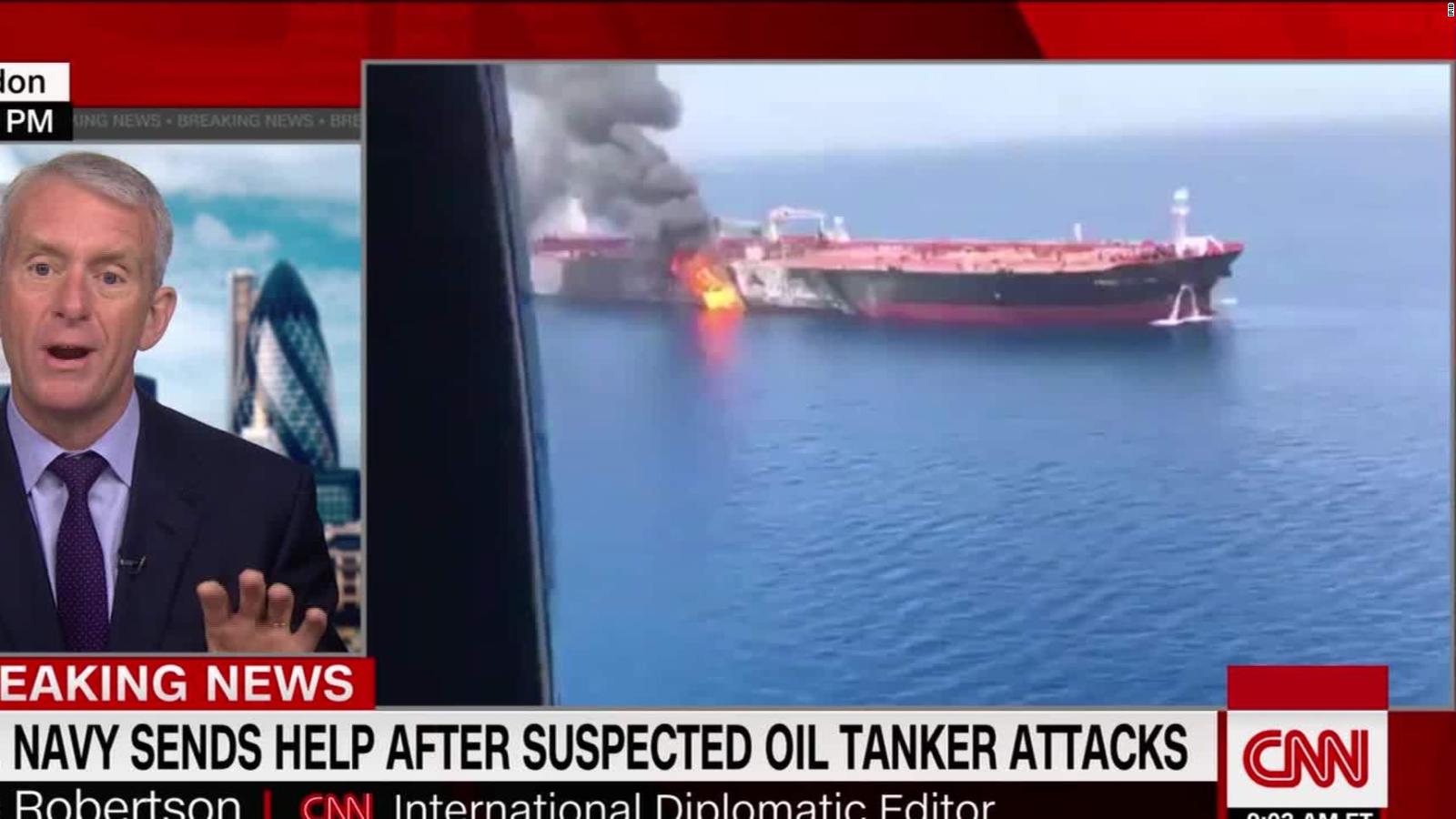
The markets react to the fear of a closure more than they would to an actual disruption. We saw this in the early 2020s. A tanker gets limpet-mined, oil jumps $5, and everyone panics. Then, three days later, the price corrects because the physical supply didn't actually change.
We are currently seeing a "risk premium" baked into energy prices that is based entirely on political theater. When Rubio or other officials claim a response is "coming at any moment," they are effectively doing the marketing for Iranian hardliners. They are driving up the price of the very commodity they claim to be protecting.
It is a circular logic loop:
- Predict a crisis.
- Market panics.
- Use market panic as proof the crisis is real.
- Deploy expensive military assets to "solve" the panic.
Stop buying the hype.
What "Securing the Strait" Actually Means
If you want to actually secure global energy, you don't do it with more gray hulls. You do it by attacking the insurance markets.
The real bottleneck in the Hormuz isn't the Iranian Navy; it’s the maritime insurance industry in London. The moment Lloyd’s of London decides the risk is too high, the tankers stop moving—not because they’re being shot at, but because they aren't covered.
A "contrarian" security policy would involve state-backed indemnification for tankers, ensuring that the flow of oil continues regardless of the rhetorical temperature in Tehran. This removes the "economic shock" weapon from Iran's hands without firing a single shot. But that doesn't look as good on the news as a carrier strike group.
The Hard Truth About Allies
The call for "allies" to step up is a tired trope. Our allies in the region—the ones actually bordering the Strait—have zero interest in a hot war. They live there. We visit.
For Qatar, Kuwait, and even the Saudis, "securing" the Strait through escalation is a losing game. Their infrastructure is within range of every short-range missile in the Iranian arsenal. When US politicians demand a "bold response," they are asking our regional partners to volunteer their desalination plants and refineries as targets.
True expertise in this field requires admitting that our interests and our allies' interests are not perfectly aligned. They want stability at almost any cost; we often want "victory" or "containment" even if it triggers a temporary spike in chaos.
The Pivot No One Admits
We are witnessing the death rattle of the "Tanker War" era of geopolitics. The world is moving toward a fragmented energy reality.
The US is a net exporter. Our reliance on Hormuz is psychological and indirect (through global price stability). The people who should be panicking are in Seoul, Tokyo, and Beijing. Yet, we are the ones volunteering to play beat cop in a neighborhood where we don't even own a house anymore.
The most "disruptive" thing the US could do is stop pretending the Strait is our problem to solve alone. The moment we stop treating every Iranian sneeze as a global pneumonia, the leverage shifts.
Iran thrives on being the center of the world's anxiety. They use the threat of the Strait because it’s the only way they can force a superpower to the table. When we stop reacting with frantic naval deployments and "any moment now" warnings, we reveal the weakness of their hand.
The Strait of Hormuz is a geographic reality, but the "crisis" is a choice. We keep choosing it because it’s easier to point a gun than it is to build a pipeline or reconfigure a market.
Stop looking at the map. Start looking at the ledger. The threat isn't a blockade; the threat is our own addiction to the theater of imminent conflict.
If you want to win, stop playing the part they wrote for you.