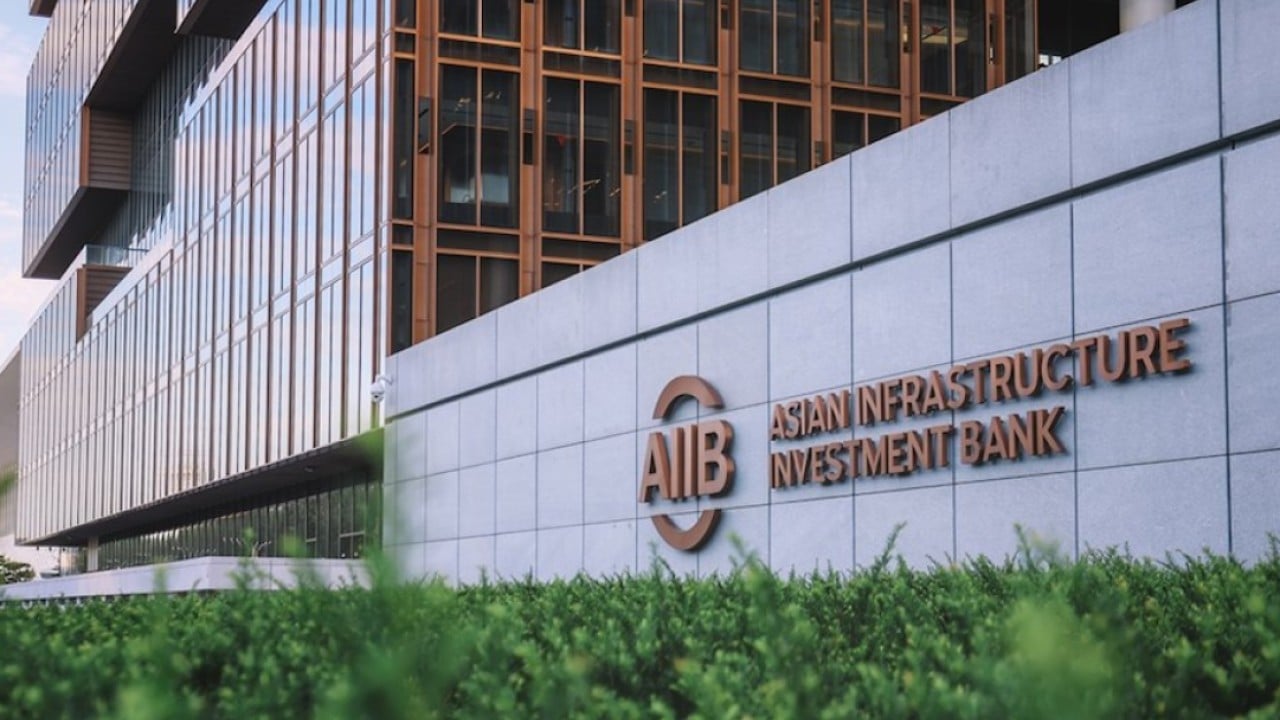
Most financial headlines treat a US$20 million check from a global banking hub like pocket change. They're missing the real story. When Hong Kong committed an extra US$20 million to the Asian Infrastructure Investment Bank (AIIB) special fund right as the multilateral lender set up a physical office in the city, it wasn't just writing a polite check. It was locking in operational control over how billions in regional infrastructure get structured, financed, and insured.
Let's be clear about what's actually happening here. The AIIB isn't some sleepy regional credit union. Since opening for business in January 2016 with 57 founding members—and expanding past 100 approved members worldwide—the Beijing-headquartered institution has become a primary financier for energy grids, transport corridors, and urban water systems across Asia. Having a permanent AIIB office on the ground in Hong Kong changes the daily mechanics of deal flow. Add a fresh US$20 million injection into the bank's Project Preparation Special Fund, and you suddenly see why institutional bankers in Central are paying close attention.
What the US$20 Million Special Fund Pledge Actually Pays For
People constantly confuse project preparation funds with direct construction loans. They aren't the same thing. Not even close.
When a developing economy in Southeast or Central Asia wants to build a solar farm, modernize a port, or lay down a cross-border rail line, the biggest bottleneck isn't always the construction cash. It's the early-stage engineering, environmental impact assessments, legal structuring, and feasibility studies. Without bankable blueprints, private institutional investors won't touch a project with a ten-foot pole.
That's where the AIIB's Project Preparation Special Fund comes in. Established in 2016 specifically to help low-income member countries get complex infrastructure proposals off the drawing board, the fund covers technical assistance grants. Hong Kong's additional US$20 million contribution directly expands the pool of money available to turn rough government ideas into investable, vetted assets.
Think about the multiplier effect. A few hundred thousand dollars in early-stage technical advisory work routinely unlocks hundreds of millions in sovereign and private co-financing down the line. By funding the preparation stage, Hong Kong ensures that the early legal, accounting, and risk-management frameworks reflect international standards familiar to global capital markets.
Why Setting Up an AIIB Office in Hong Kong Matters More Than the Check
Money moves electronically. People still close complex cross-border deals face to face.
For years, skeptics questioned whether the AIIB needed a dedicated footprint in Hong Kong when its headquarters sit just a few hours north in Beijing. That view misunderstands how Asian project finance works in practice. Beijing houses the diplomatic and policy core of the bank, while Hong Kong holds the deepest pool of international legal talent, multi-currency syndication desks, and green bond underwriters in the region.
Opening an office in Hong Kong puts AIIB treasury teams, investment officers, and risk specialists directly inside the same square mile as the commercial banks, sovereign wealth funds, and insurance giants they need as co-financiers.
Here is what changes on the ground when the bank operates locally:
- Faster capital mobilization. Syndicating a US$500 million infrastructure loan requires constant coordination among commercial lenders, credit rating agencies, and legal counsel. Being in the same time zone and business district cuts weeks off transaction timelines.
- Direct access to Hong Kong's green finance ecosystem. Hong Kong has aggressively positioned itself as Asia's premier hub for green and sustainable debt issuance, backed by government grant schemes that subsidize external review costs for green bonds. AIIB teams on the ground can tap that liquidity directly.
- Closer proximity to the Hong Kong Monetary Authority (HKMA). The HKMA's Infrastructure Financing Facilitation Office (IFFO) already brings together over 100 key partners—including multilateral banks, pension funds, and major developers—to share deal pipelines. Having AIIB staff embedded locally turns loose networking into active deal execution.
The Strategic Reality Behind Hong Kong's Multilateral Push
If you spend time talking to infrastructure fund managers in Asia, you'll hear the same complaint over and over. There is plenty of global capital chasing yield, yet there's a chronic shortage of properly structured, de-risked projects.
Governments across emerging Asia face massive infrastructure deficits. The Asian Development Bank has long estimated that developing Asia needs well over a trillion dollars annually in infrastructure investment just to maintain growth momentum and adapt to climate shifts. Public budgets alone cannot cover that gap. Neither can a single multilateral lender.
Hong Kong has spent the past decade trying to prove it isn't just a gateway for mainland Chinese equity listings, but an indispensable super-connector for broader Asian capital flows. Joining the AIIB as a non-sovereign member back in 2017 was step one. Contributing to the special fund and hosting an operational office is step two.
Honestly, it's a smart hedge. When traditional IPO volumes fluctuate with global interest rate cycles, structured project finance, green debt issuance, and multilateral treasury operations provide steady, fee-generating institutional activity. Every infrastructure deal structured in Hong Kong generates mandates for local law firms, engineering consultancies, environmental auditors, and asset managers.
Common Misconceptions About Hong Kong and the AIIB
Whenever news breaks about Hong Kong deepening ties with a multilateral development bank, two predictable narratives pop up—and both get the mechanics wrong.
Misconception 1 The AIIB is just a bilateral Chinese policy bank
It isn't. While China is the largest shareholder and holds roughly 26 percent of the voting shares, the AIIB operates under an international treaty with over 100 sovereign members, including major European economies like Germany, France, and the United Kingdom, alongside regional powers like India, Indonesia, and South Korea. Its procurement rules are open to firms from any country, not just member states, and its triple-A credit ratings from Moody's, S&P, and Fitch depend on strict adherence to international governance and risk standards.
Misconception 2 US$20 million is too small to move the needle
In commercial construction, US$20 million barely buys a stretch of urban highway. In technical assistance and project preparation, it's huge. Technical grants typically range from US$500,000 to US$2 million per project. That means a US$20 million top-up can underwrite feasibility studies, environmental safeguards, and procurement designs for a dozen or more major regional projects. Without that seed funding, many of those projects would stall in ministry drawers for years.
What Institutional Investors and Advisors Should Do Next
If you work in infrastructure finance, corporate advisory, sustainable debt, or regional supply chain development, don't treat this announcement as background diplomatic noise. Treat it as a signal of where deal flow is concentrating.
First, map your advisory capabilities against the AIIB's core thematic priorities. The bank mandates strict alignment with green infrastructure, connectivity and regional cooperation, technology-enabled infrastructure, and private capital mobilization. Firms offering specialized ESG verification, climate resilience engineering, and cross-border tax structuring in Hong Kong are directly in the hiring path for special fund technical grants.
Second, plug directly into the HKMA's Infrastructure Financing Facilitation Office network if your institution isn't already active there. With the AIIB establishing a permanent local presence, joint workshops, co-financing roundtables, and early-stage project briefings in Hong Kong will accelerate.
Third, watch the AIIB's public procurement portal closely over the coming quarters. As the extra US$20 million gets allocated to the Project Preparation Special Fund, new tenders for feasibility consultants, legal advisors, and environmental specialists will hit the market. Position your Hong Kong team early, build relationships with the incoming local AIIB staff, and get in on the structuring phase before the major construction tenders ever go public.