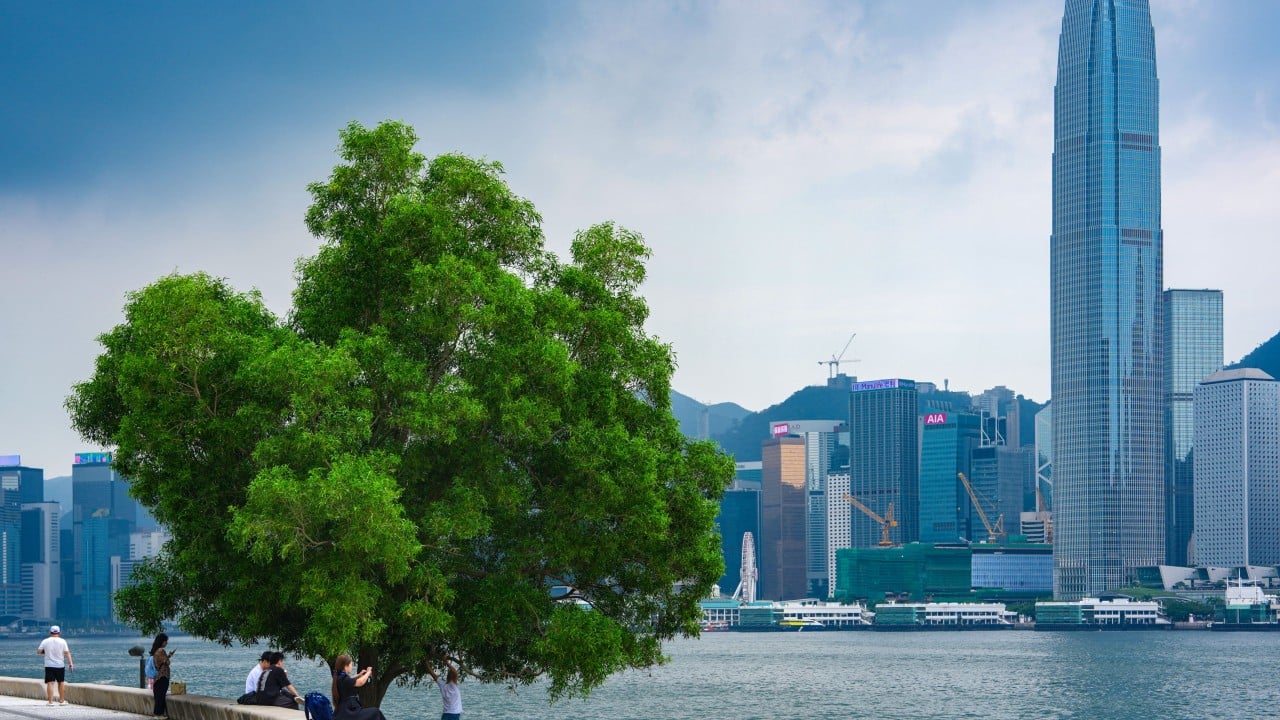
Walk down any busy street in Causeway Bay on a humid July afternoon, and you'll feel the weight of a city built for high-density efficiency. Hong Kong gets things done. It builds skyscrapers at breakneck speed, moves millions of commuters on the MTR without missing a beat, and manages a financial ecosystem that never really sleeps. But ask anyone on that street what Hong Kong's overarching climate identity is, and you'll likely get a blank stare. Or worse, a bureaucratic acronym.
That is the core problem. Hong Kong has technical roadmaps, government targets, and massive infrastructure budgets designed to hit carbon neutrality by 2050. What it lacks is a story people actually care about.
The Trap of Technocratic Policy
Government whitepapers talk endlessly about zero-carbon electricity generation, waste charging schemes, and electric vehicle adoption rates. These documents are packed with data points and spreadsheets. They are logically sound, financially backed by billions of dollars in green bonds, and meticulously planned by career civil servants.
Yet, they fail to resonate because they sound like corporate compliance manuals.
When climate change is framed purely as an engineering challenge or a regulatory hurdle, ordinary residents tune out. People don't wake up thinking about grid decarbonization or municipal solid waste charging tiers. They think about living spaces, stifling summer temperatures, air quality, and whether their daily routines actually matter in the grand scheme of things. By keeping the climate conversation locked inside a boardroom of technical jargon, leaders have accidentally alienated the very public they need to mobilize.
What Happens When a City Lacks a Cultural Anchor
Without a unifying narrative, sustainability becomes a checklist rather than a shared mission. You see this disconnect in everyday behavior. Recycling bins overflow because sorting guidelines are confusing and disconnected from a broader sense of civic pride. Energy-saving campaigns feel like nagging utility bills rather than collective victories.
Compare this to how Hong Kong rallies around other massive civic identities, like its culinary heritage or its maritime history. Those stories have emotional weight. They connect past struggles with present identity. Climate action here is currently treated as an imported set of compliance metrics forced by international agreements, rather than an urgent, homegrown defense of a coastal metropolis facing rising sea levels and intense typhoons.
If you talk to marine biologists or local activists working in Sai Kung, they'll tell you the physical reality is already here. Coral bleaching events are worsening. Storm surges are testing sea defenses. But these localized warnings rarely connect with the office worker in Central or the teenager in Sha Tin. They feel isolated, like news reports happening to someone else, somewhere else.
Shifting from Compliance to Identity
Fixing this isn't about launching another slick public service announcement with a generic slogan. It requires a fundamental shift in how the city talks about its future.
First, the message needs to move away from global abstractions and focus on local survival and livability. Hong Kong's dense urban form is actually a massive advantage for sustainable living if framed correctly. Living close together, relying on public transit, and maximizing vertical efficiency are inherently low-carbon traits. Instead of treating density as a problem to offset, urban planners and leaders should frame it as a masterclass in efficient living that the rest of the world can learn from.
Second, grassroots voices need to drive the narrative. When neighborhood groups, schools, and local businesses take ownership of environmental projects—such as community-led coastal cleanups or localized energy retrofits—engagement spikes. People invest emotionally when they see tangible changes in their immediate surroundings.
Hong Kong has all the financial capital, engineering talent, and logistical muscle required to lead regional climate adaptation. But until the city builds a narrative that connects the technocratic goals of 2050 to the daily reality of living in a concrete jungle today, those multi-billion dollar plans will remain just words on a page.