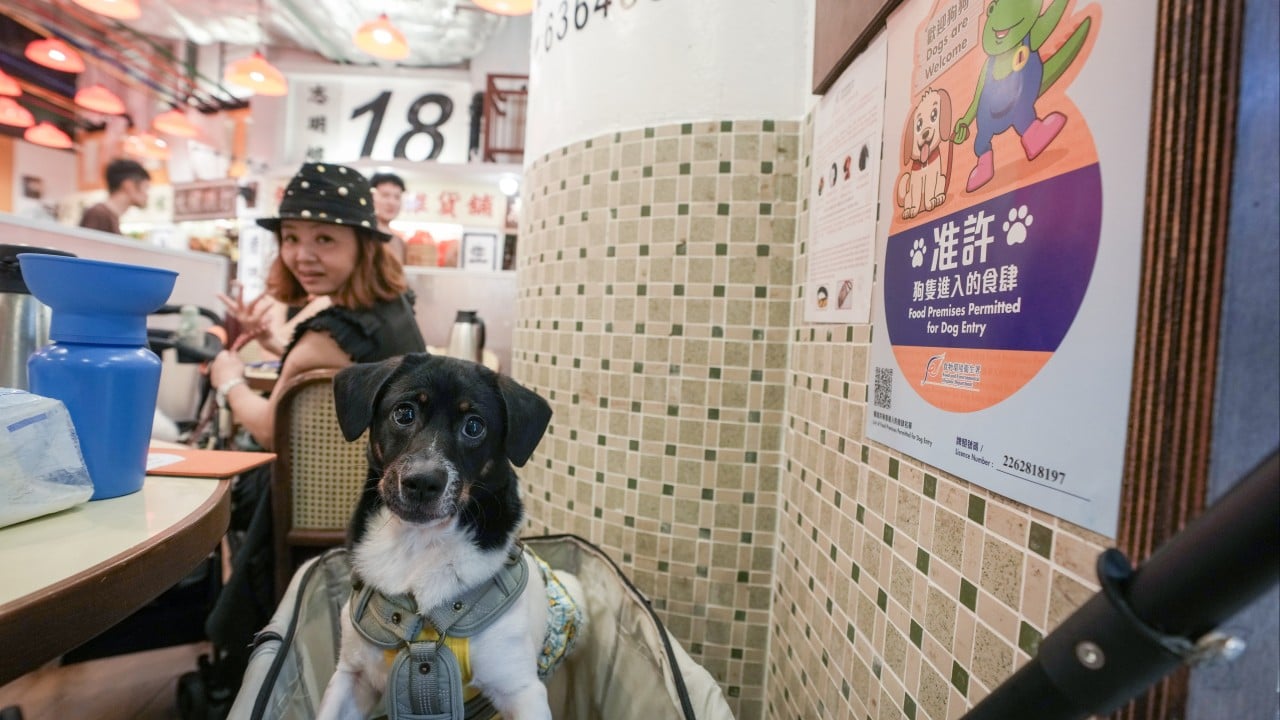
Bringing your dog out for dinner sounds like a dream for pet owners. But reality bit hard in Hong Kong this month. More than 30 restaurants have already pulled out of the city's heavily promoted dog-friendly dining scheme, and inspectors have handed out 70 warnings in just two weeks.
When the government rolled out permits for around 940 eateries to finally lift a decades-old ban on dogs inside dining spaces, optimism was high. Officials wanted to inject life back into a sluggish food and beverage market by appealing to the city's 240,000 pet-owning households. It turns out that theory and practice look entirely different when you squeeze dogs, tables, steaming hot food, and hesitant customers into cramped local spaces. For a more detailed analysis into this area, we recommend: this related article.
The Teething Problems Hit Hard
Secretary for Environment and Ecology Tse Chin-wan recently pointed out that compliance is still technically acceptable, but the early friction is obvious. Inspectors from the Food and Environmental Hygiene Department rushed out 14,000 inspections in a fortnight. That intense scrutiny netted 70 verbal warnings and dozens of consumer complaints.
Why are restaurant owners running for the exits? Space is the ultimate enemy here. Traditional local diners and tight-knit cafes quickly realized that mixing excited canines with narrow aisles creates a logistical nightmare. Major catering groups, such as the operators behind Café 100%, started revoking permits for select branches. They found out the hard way that alienating patrons who prefer a pet-free meal isn't worth the extra foot traffic. For further information on this development, detailed coverage can be read on Vogue.
Navigating the Strict Rules on the Ground
If you think a dog-friendly permit means a free-for-all, you are dead wrong. The regulatory framework leaves very little room for error.
- Tabletop Cooking Bans: Inspectors cracked down immediately on venues letting dogs get anywhere near active heating or cooking elements on dining tables.
- Seating and Leash Layouts: A large chunk of the 65 initial complaints centered on improper leash lengths and poorly designated seating zones.
- Customer Friction: Diners have reported awkward clashes over barking dogs, tight spaces, and people who simply do not want an animal near their food.
Big banquet halls with massive private rooms are actually handling the transition better than cramped neighborhood spots. They have the square footage to isolate groups. Small cafes, on the other hand, are learning that the operational headache outweighs the novelty.
What This Means for the Pet Culture Movement
This messy rollout proves that building an inclusive pet culture takes way more than a stroke of a bureaucrat's pen. While thousands of applications flooded in initially because operators wanted a quick business boost, the market is aggressively self-correcting.
Restaurants dropping out aren't necessarily failing; they are making a cold, calculated business choice based on their specific customer base and floor plan. Expect a more rigid divide moving forward. The venues that survive this transition will be the ones built for it structurally, while the rest quietly close their doors to paws and go back to business as usual.