Hong Kong restaurant owners are desperate. Rent is sky-high. Staffing costs are brutal. To make matters worse, local diners are fleeing across the border to Shenzhen every single weekend for cheaper, better meals.
Enter the Food and Environmental Hygiene Department (FEHD) with its highly anticipated solution: a brand-new policy allowing dogs into indoor dining spaces starting July 9, 2026. Over 2,200 establishments rushed to apply for a meager pool of 1,000 permits. Ultimately, 833 restaurants, bars, and cafes cleared the bureaucratic hurdles and paid the HK$140 fee to officially amend their permits.
The government hopes this will unlock a goldmine in the local pet economy. Out there in the real world, though, operators are spending big chunks of capital to overhaul their spaces for furry diners, but the economic math simply does not add up.
The High Cost of Welcoming Four-Legged Guests
On paper, the policy sounds like a breeze. You pay your small fee, stick a government-issued A3-sized decal on your glass door, and watch the dog lovers stream in.
In reality, prepping a tiny Hong Kong dining room for animals is a logistical nightmare.
The regulations are strict. Dogs must be kept on a leash no longer than 1.5 meters at all times. They are completely banned from sitting on chairs or tables. They cannot use restaurant bowls, and staff cannot cook or heat pet food on the premises.
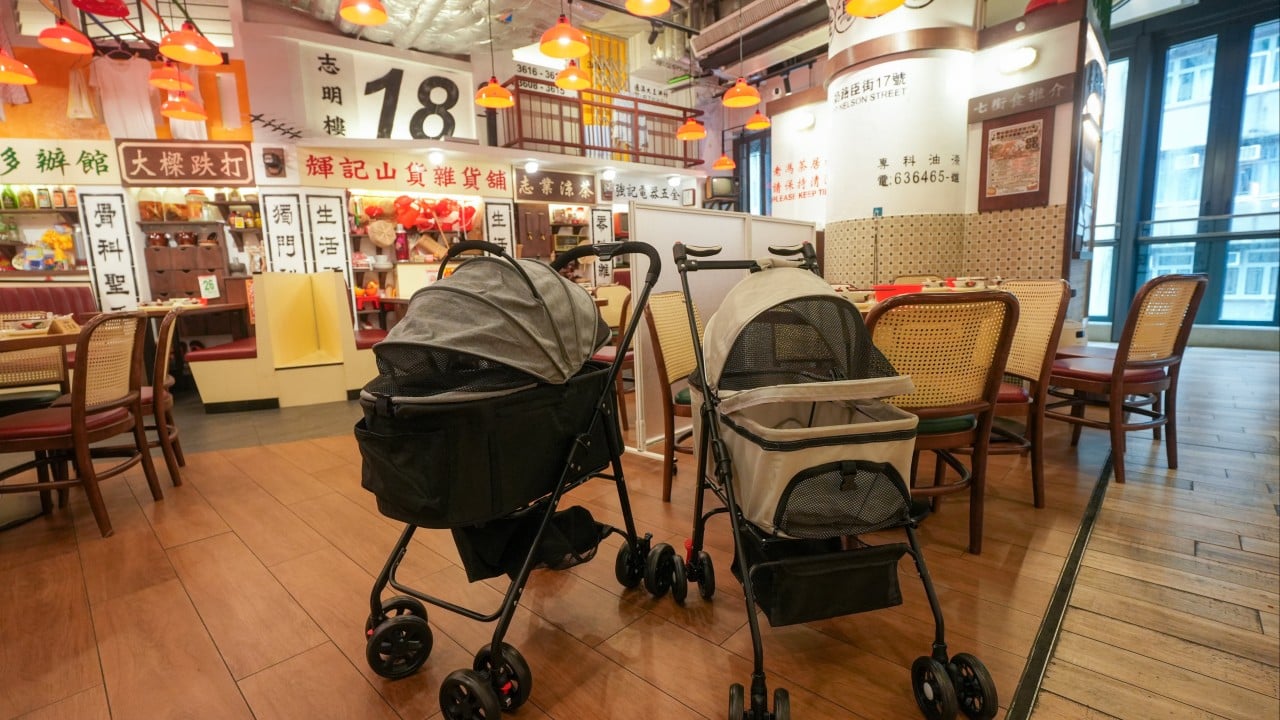
To make this work without alienating human diners who despise animals, owners are shelling out serious money. Hyvan Tong, the owner of fish-dish specialist Fisholic in North Point, is a perfect example. He applied immediately but quickly realized he had to re-engineer his layout. He is dedicating specific tables to the pet section, investing in puppy pee pads, specialized poop bags, small sleeping dog beds, and even transport trolleys for larger breeds.
Other venue operators are upgrading their air filtration systems to combat pet dander and potential odors. Frontline staff require specialized training to handle barking matches or accidental messes. When you operate on the razor-thin margins of the Hong Kong catering sector, these unexpected capital expenditures hurt.
The Math Behind a Five Percent Solution
Let's look at the hard data. There are more than 240,000 households in Hong Kong that own dogs or cats. That is roughly 9% of the local population.
That sounds like a massive, untapped market. But Vera Yuen, an economics lecturer at the University of Hong Kong Business School, points out a glaring flaw in the optimism. Those 1,000 eligible restaurant permits represent a measly 3% to 5% of the total food and beverage industry in the city.
A tiny fraction of restaurants catering to a small sliver of pet owners cannot fix a systemic, industry-wide slump.
Furthermore, the government completely banned hot pot establishments, teppanyaki venues, and open-flame barbecue joints from participating due to obvious safety risks. Small eateries measuring under 20 square meters are also legally barred. That rules out thousands of classic Hong Kong cha chaan tengs and dai pai dongs—the actual backbone of local dining.
Local Landlords and Spatial Realities
Even if a restaurant secures the coveted FEHD permit, it still faces a massive roadblock: the building management.
Government officials explicitly warned operators that a pet-friendly license does not override private property rules. If a shopping mall or a commercial building explicitly bans dogs in its deed of mutual covenant, that restaurant permit is essentially a useless piece of paper.
Take a walk through popular nightlife and dining districts like Central, Wan Chai, or Yau Tsim. These areas secured the highest density of approvals, with Wan Chai leading the pack at 101 approved venues. But the physical reality of these spaces is grim. Tables are squeezed together. Aisles are so narrow that two humans can barely pass each other. Drop a couple of golden retrievers into that mix, and you have a recipe for chaos.
Unsurprisingly, public backlash is brewing. Online communities are already flooded with local diners vowing to actively avoid any establishment sporting the new pet-friendly sticker. People do not want dog hair near their pasta or a nervous terrier yapping while they try to enjoy a lunch break.
Where the Real Opportunities Lie
Is the scheme a total waste of time? Not quite. But the big corporate chains and westernized cafes will grab all the benefits while independent local diners get left behind.
High-end establishments like Black Sheep’s Falcone or La Vache!, and trendy coffee spots like Blue Bottle and The Coffee Academics, will do just fine. They have the space, the affluent clientele, and the premium margins to absorb the extra cleaning and liability insurance costs.
For these premium spots, the pet economy offers a distinct advantage because pet care, grooming, and dog walking are inherently local services. You cannot pack your dog into a car and drive across the Shenzhen border for a casual Tuesday night dinner. The spending stays in Hong Kong.
If you own a restaurant and want to actually make money off this scheme instead of burning cash on fancy dog beds, focus on these immediate, practical steps:
- Check your lease first: Do not buy a single dog bowl until you have written confirmation from your landlord and building management that animals can walk through the lobby.
- Segment your space aggressively: If you do not have a clear, physical separation between your pet zone and your regular tables, you will lose your core human customer base.
- Stick to pre-packaged goods: Do not try to get clever by partnering with gourmet pet bakeries. The law forbids preparation. Sell high-margin, pre-packaged premium treats that owners can pop open themselves.
- Update your liability policy: Call your insurance provider immediately. A single dog-bite incident inside your dining room will wipe out a whole year of pet-driven profits.
The pet-friendly scheme is a fascinating social experiment for Hong Kong, but do not view it as a magical economic liferaft. It is a niche marketing tool for businesses that already have the physical space and capital to support it. For everyone else, it is just another expensive headache in a city that is already full of them.