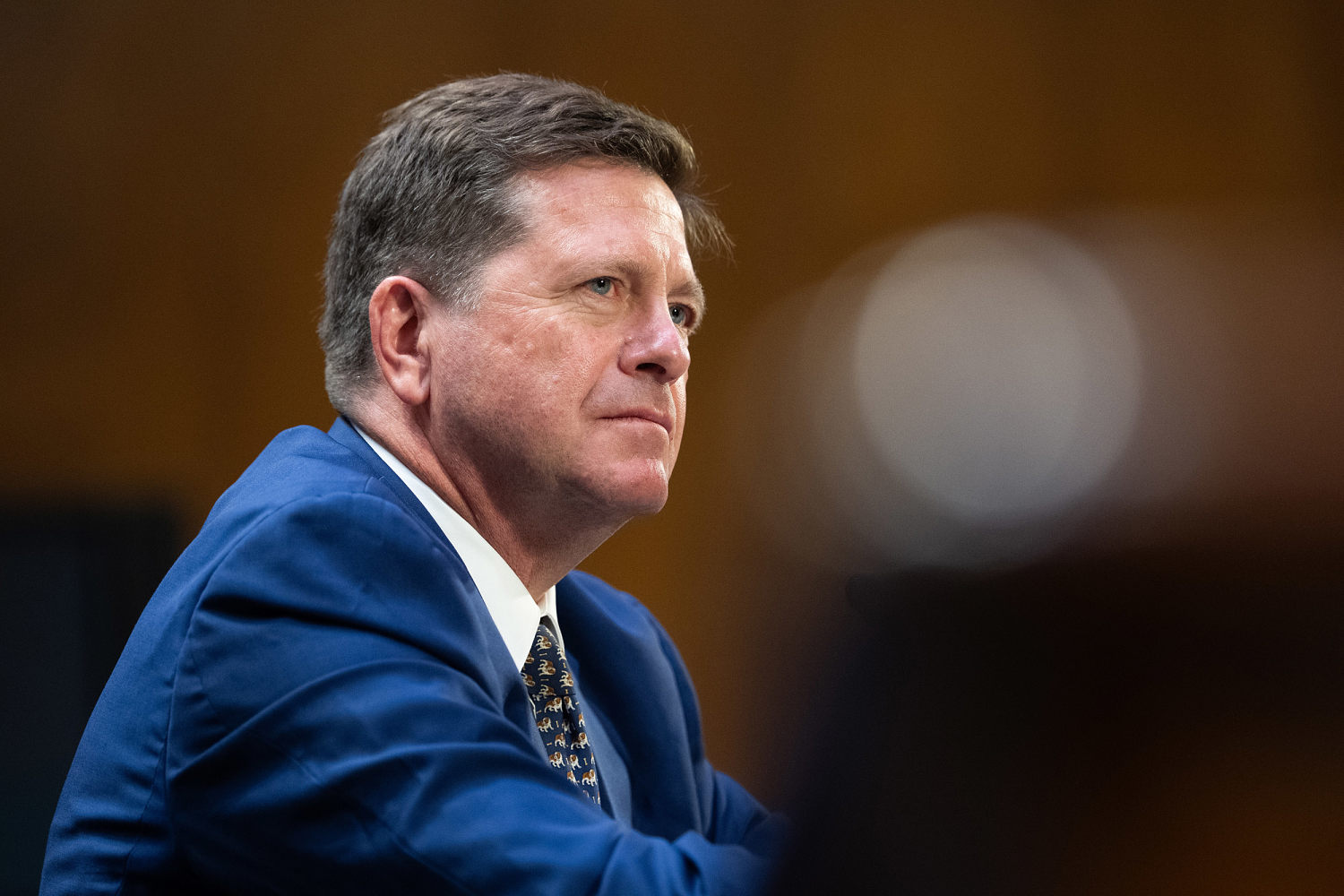
Former Federal Trade Commission Chair Lina Khan recently dismantled the notion of voluntary AI governance with characteristic bluntness, dismissing industry-drafted ethics codes and constitutional pledges as public relations theater rather than actual oversight. When tech executives gather in closed-door summits to sign voluntary pacts promising responsible innovation, the exercise typically amounts to corporate self-preservation disguised as public service. History shows that letting trillion-dollar enterprises write their own rulebooks creates a predictable vacuum where accountability vanishes and liability evaporates.
Corporate compliance pledges work when there are teeth behind them. Voluntary AI safety standards lack teeth entirely. They rely on the good faith of entities whose primary fiduciary duty is quarterly earnings growth, not societal preservation.
The Anatomy of a Voluntary Pact
Look closely at any high-profile industry charter signed by artificial intelligence laboratory heads. The language invariably tilts toward aspirational guardrails rather than enforceable restrictions. Terms like "commitment to safety" and "responsible deployment" sound progressive in a press release, but they provide zero legal recourse when a deployed algorithm causes systemic harm.
Companies fund these initiatives to preempt regulatory scrutiny. If lawmakers believe the industry can police itself, the political will for aggressive statutory oversight diminishes. It operates as an effective lobbying strategy masquerading as civic responsibility.
When software scale outpaces regulatory frameworks, companies argue that government mandates will stifle innovation. That argument treats speed as an inherent virtue while ignoring the collateral damage left in its wake. Labor displacement, biased hiring algorithms, and unverified data scraping operations continue unchecked under the banner of self-policing.
Regulatory Capture and the Illusion of Control
Regulatory capture rarely looks like overt corruption. More often, it resembles cooperation. When tech leaders sit down with policymakers to help draft the parameters of their own supervision, the resulting guidelines usually institutionalize incumbents while pricing out open-source competitors and smaller startups.
Lina Khan understood this dynamic during her tenure at the FTC. True oversight requires structural friction. It demands an independent authority capable of issuing subpoenas, enforcing mandatory audits, and penalizing negligence with financial penalties that sting. A voluntary pledge signed at a conference center achieves none of this.
Consider how financial markets handled self-regulation prior to major legislative interventions. Every historical instance of financial or technological self-policing shares a common trajectory. Growth surges, risk accumulates in the dark, and public entities step in only after a catastrophic market failure. Waiting for a catastrophic model collapse to demand transparency is a reckless gamble with critical infrastructure.
The Economic Incentives of Speed
The commercial pressure to ship models first and fix alignment later remains absolute. Market rewards accrue to the pioneer, not the cautious. Venture capital and enterprise buyers demand immediate deployment, leaving safety teams marginalized within their own organizations.
When executive bonuses depend on user acquisition and capability milestones rather than safety audits, internal dissent gets sidelined. Whistleblowers face institutional pressure to stay quiet. In that environment, a voluntary constitution signed by the very executives driving the race loses all practical meaning.
No chief executive will voluntarily kneecap their product roadmap while a rival laboratory surges ahead. The prisoner's dilemma of artificial intelligence development guarantees that every player will cut corners unless external constraints apply equally to everyone.
Where Real Accountability Begins
Meaningful enforcement requires shifting away from unenforceable promises and toward verifiable liability. If an organization deploys a model that fails basic safety verification, the legal consequences must outweigh the short-term commercial gains of early market entry.
Policymakers must establish strict liability standards for algorithmic harms. Independent third-party evaluators need mandatory access to model weights and training datasets before public release, bypassing internal compliance teams who report directly to commercial leadership.
The era of trusting tech monopolies to govern their own creations is drawing to a close. Public skepticism is rising, and regulatory bodies are beginning to realize that polite requests for responsibility carry no weight against the gravitational pull of market dominance.
Self-serving charters will continue to circulate at elite conferences, offering comfort to those who wish to believe the industry can police its own evolution. But the underlying reality remains unchanged. Power without accountability always expands until it hits a wall.