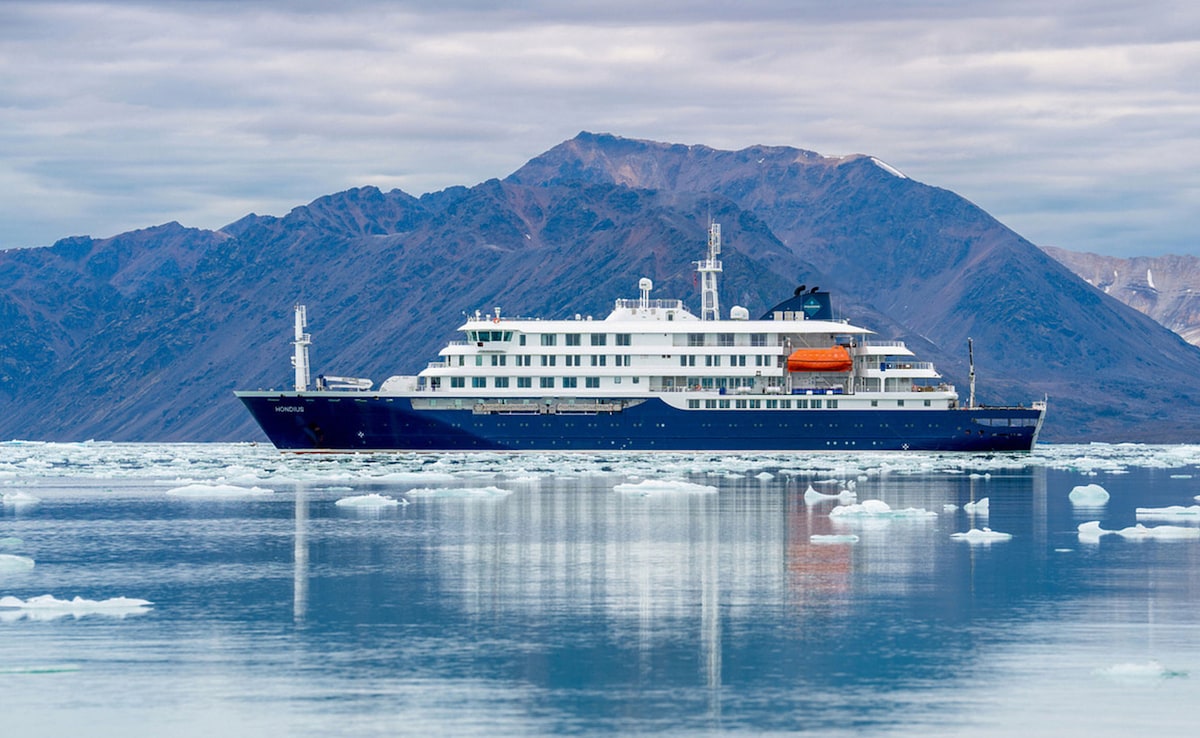
Fear moves faster than any pathogen ever could. When reports surfaced of a "plague ship" carrying a suspected outbreak of hantavirus, the internet did what it does best: it prepared for the end of the world. Global health headlines immediately began drawing parallels to the early days of 2020, suggesting that another era of lockdowns and masks was looming on the horizon. However, the World Health Organization (WHO) has stepped in to deflate the hysteria, with Director-General Tedros Adhanom Ghebreyesus making it clear that hantavirus is not "the next Covid." This isn't a case of bureaucratic deflection. It is a matter of basic biology. Hantavirus does not jump from person to person like a respiratory virus; it requires a specific, messy encounter with rodent waste. While the optics of a quarantined vessel are cinematic, the actual risk to the general public remains negligible.
The Anatomy of a Modern Health Scare
The panic began with a cargo vessel where several crew members fell ill with severe respiratory distress. In an era defined by post-pandemic PTSD, any mention of a cluster of lung infections on a confined ship triggers an immediate, visceral reaction. Speculation ran rampant that a mutated strain of hantavirus had finally achieved the "holy grail" of viral evolution: efficient human-to-human transmission.
Public health officials were forced to move quickly. The WHO’s dismissal of the threat wasn't just a PR move to keep markets stable. It was a grounded assessment of how this specific virus functions. Unlike SARS-CoV-2, which hitches a ride on microscopic droplets exhaled during a simple conversation, hantavirus is a "dead-end" infection in humans. You generally get it by breathing in dust contaminated with the urine, droppings, or saliva of infected rodents.
For this to become a global pandemic, the virus would need to undergo a radical structural transformation. Biology rarely works in such convenient, terrifying leaps. The crew members on the ship were likely exposed to a localized infestation in the cargo hold or galley. They are victims of a workplace hazard, not the harbingers of a global collapse.
Why Hantavirus Struggles to Go Global
To understand why this "plague ship" is a localized crisis rather than a global one, we have to look at the viral mechanism. Hantaviruses belong to the family Bunyaviridae. They are rugged, persistent, and deadly to the individual, but they are remarkably poor at socializing.
When a human inhales the virus, it attacks the endothelium—the lining of the blood vessels. This leads to Hantavirus Pulmonary Syndrome (HPS), a condition where the lungs fill with fluid. The mortality rate is staggering, often hovering around 35% to 40%. It is a brutal way to die. Yet, that very lethality works against its spread. A virus that kills its host quickly and fails to exit the body through casual breathing is a virus that stays contained.
The Myth of the Andes Exception
Critics of the WHO’s calm stance often point to the "Andes virus" strain found in South America. This is the only known version of hantavirus that has shown a documented ability to spread from person to person. During an outbreak in Argentina in late 2018, researchers found that close-contact transmission was possible.
However, even the Andes strain is a logistical failure in terms of pandemic potential. The transmission is inefficient. It requires prolonged, intimate contact, usually within a single household. It does not survive well in the open air, and it doesn't linger in grocery store aisles or on public transit. To suggest that a ship in international waters is suddenly carrying a super-powered version of this rare South American variant is an exercise in creative writing, not epidemiology.
The Shipping Industry’s Dirty Secret
If the virus isn't the story, the environment that allowed it to thrive is. The maritime industry has long struggled with "vectors"—the biological term for pests that carry disease. Modern container ships are massive, complex labyrinths of steel, insulation, and storage. They are also, occasionally, floating apartments for rats and mice.
The presence of hantavirus on a vessel points to a failure in basic sanitary protocols. When global supply chains are stretched thin, maintenance often takes a backseat to transit times. Rodent control is unglamorous work. It is also the only thing standing between a healthy crew and a quarantined ship.
- Infestation Points: Older vessels with compromised bulkheads are high-risk zones.
- Cargo Type: Grain and food shipments are natural magnets for rodents.
- Port Hygiene: Some international hubs have seen a decline in pest management, allowing local rodent populations to board departing ships.
We are seeing the consequences of "just-in-time" logistics meeting "bare-minimum" hygiene. The ship in question isn't a biological weapon; it’s a symptom of a maritime industry that has grown too big to clean its own corners.
The WHO and the Credibility Gap
The WHO finds itself in a difficult position. After the perceived delays in sounding the alarm in 2020, the organization is now viewed with a mix of skepticism and hostility. When Tedros says there is no cause for alarm, a significant portion of the public hears the exact opposite.
This skepticism is dangerous. When we stop listening to experts because they were wrong once, we become susceptible to every conspiracy theorist with a webcam. The "plague ship" narrative flourished because it filled a vacuum of trust. People would rather believe in a hidden apocalypse than a boring reality involving rodent droppings and poor ventilation.
The reality of global health surveillance is that it is constant, messy, and mostly hidden. Thousands of potential "outbreaks" are identified and neutralized every year. Most of them never make the news because they aren't scary enough. Hantavirus made the news because the word "plague" sells, even when it’s factually incorrect in this context.
The Economic Cost of Medical Sensationalism
Every time a "plague ship" headline goes viral, markets flinch. Speculation about port closures and trade halts can cause more damage than the virus itself. For the shipping industry, a quarantine is a financial catastrophe. Demurrage charges pile up, contracts are breached, and insurance premiums spike.
The crew on the ship are caught in the middle. They are dealing with a life-threatening illness while the world treats their plight as a backdrop for a thriller movie. If we want to prevent these incidents, the focus needs to shift from viral fear-mongering to the boring, expensive reality of maritime regulation. We need stricter inspections, better living conditions for seafarers, and a zero-tolerance policy for rodent infestations on commercial vessels.
Breaking the Cycle of Panic
We are living in an age of hyper-vigilance. While being aware of emerging diseases is vital, we must distinguish between a genuine threat to species survival and a localized health crisis. Hantavirus is a terrifying disease for the individual, but it lacks the "keys" to the human kingdom that influenza or coronaviruses possess.
The ship currently sitting in quarantine is not a harbinger of a new dark age. It is a reminder that the world is a dirty place and that nature is always looking for a way in. The crew needs medical care, and the ship needs a deep cleaning. Beyond that, the most contagious thing about this situation is the anxiety of a public that has forgotten how to weigh actual risk.
The next pandemic will likely be a respiratory virus we haven't met yet, or a familiar one that has finally figured out how to bypass our vaccines. It won't be a rodent-borne virus that has been around for decades without ever managing to leave the farm or the cargo hold. Stop looking at the sea for the end of the world and start looking at the way we manage the mundane details of global trade. That is where the real danger lives.