The maritime perimeter of the Gaza Strip remains one of the most volatile geopolitical fault lines on the planet. For over fifteen years, a recurring cycle of naval activism and military interception has defined this stretch of the Mediterranean. When activists announce a new flotilla, the script seems written in advance. Protesters claim a humanitarian mandate to break a blockade they deem illegal, while the Israeli government cites national security and the prevention of arms smuggling as an absolute necessity.
Underneath the predictable headlines lies a gritty reality of asymmetric political warfare. These missions are rarely about the cargo in the holds. The tonnage of food or medicine carried by these vessels is a drop in the ocean compared to what enters through land crossings. Instead, the flotilla is a tool of friction. It is designed to force a sovereign state into a public confrontation, creating a "no-win" scenario for military commanders where the use of force—no matter how legally justified by the state—results in a diplomatic and PR nightmare.
The Mechanics of Maritime Friction
To understand why these missions persist despite the high risk of arrest or injury, one must look at the logistical architecture of the movement. This is not a disorganized group of idealists. The Freedom Flotilla Coalition and its various branches operate with a sophisticated understanding of international maritime law and media cycles. They choose vessels, register them in specific jurisdictions, and recruit high-profile passengers to ensure that any interception becomes an international incident.
The strategy is built on the concept of "legal grey zones." International law regarding blockades is notoriously complex. Under the San Remo Manual on International Law Applicable to Armed Conflicts at Sea, a blockade is legal if it is declared, effective, and does not cause excessive suffering to the civilian population. Activists gamble on the third point. By presenting themselves as a purely humanitarian entity, they attempt to strip the blockade of its legal standing in the court of public opinion.
Israel, conversely, views the sea as a wide-open flank. Unlike the land borders, which feature layers of concrete, sensors, and checkpoints, the Mediterranean is harder to police without a total exclusion zone. Military planners in Tel Aviv argue that allowing even one "humanitarian" boat to dock without inspection sets a precedent that would eventually allow larger, less vetted ships to bring in sophisticated weaponry.
The Ghost of the Mavi Marmara
Every modern flotilla attempt is haunted by the events of 2010. The raid on the Mavi Marmara, which left ten activists dead, remains the benchmark for how quickly these operations can spiral into tragedy. That event didn't just strain ties between Israel and Turkey; it fundamentally changed how naval interceptions are handled.
Since then, the Israeli Defense Forces (IDF) have refined their boarding tactics. They now prioritize speed and non-lethal compliance tools, aiming to seize control of the bridge and engine room before resistance can materialize. Yet, the activists have also evolved. They use live-streaming technology to broadcast every second of an encounter to a global audience, turning a tactical boarding into a live-action political drama.
The goal for the activist is not to reach the port of Gaza. The goal is the interception itself. An uneventful journey that ends in a quiet docking would actually be less effective for the movement’s broader aims than a mid-sea standoff that dominates the 24-hour news cycle.
Humanitarian Aid or Political Theater
Critics of the flotilla movement often point to the land-based Kerem Shalom crossing. They argue that if the goal were truly to deliver aid, the activists would work through established international channels like the UN or the Red Cross, which move thousands of truckloads of goods into Gaza.
However, the activists argue that the land crossings are part of the system of control they are trying to dismantle. They see the blockade not as a security measure, but as a form of collective punishment. This ideological divide is unbridgeable. One side sees a security fence; the other sees a prison wall.
From a purely analytical perspective, the flotilla is a form of "cost-imposition" strategy. It forces the Israeli navy to deploy expensive assets—corvettes, commandos, and surveillance aircraft—to stop a rusting fishing boat or a repurposed ferry. It forces the Israeli Ministry of Foreign Affairs to spend weeks managing the fallout. Over time, the cumulative weight of these missions is intended to make the maintenance of the blockade more trouble than it is worth.
The Role of External Actors
No flotilla sails in a vacuum. These missions are often supported, either tacitly or explicitly, by regional powers looking to exert pressure on Israel. In previous years, Turkey’s involvement was overt. Today, the support is often more fragmented, coming from European NGOs and individual donors across the Middle East.
There is also the question of the Palestinian leadership's role. While Hamas often praises the flotillas, the relationship is complicated. The arrival of international activists brings unwanted eyes to Gaza’s internal governance and military infrastructure. For Hamas, the flotilla is a useful distraction, a way to keep the international community focused on the blockade rather than the group's own domestic policies or its stockpile of rockets.
The Legal Quagmire of International Waters
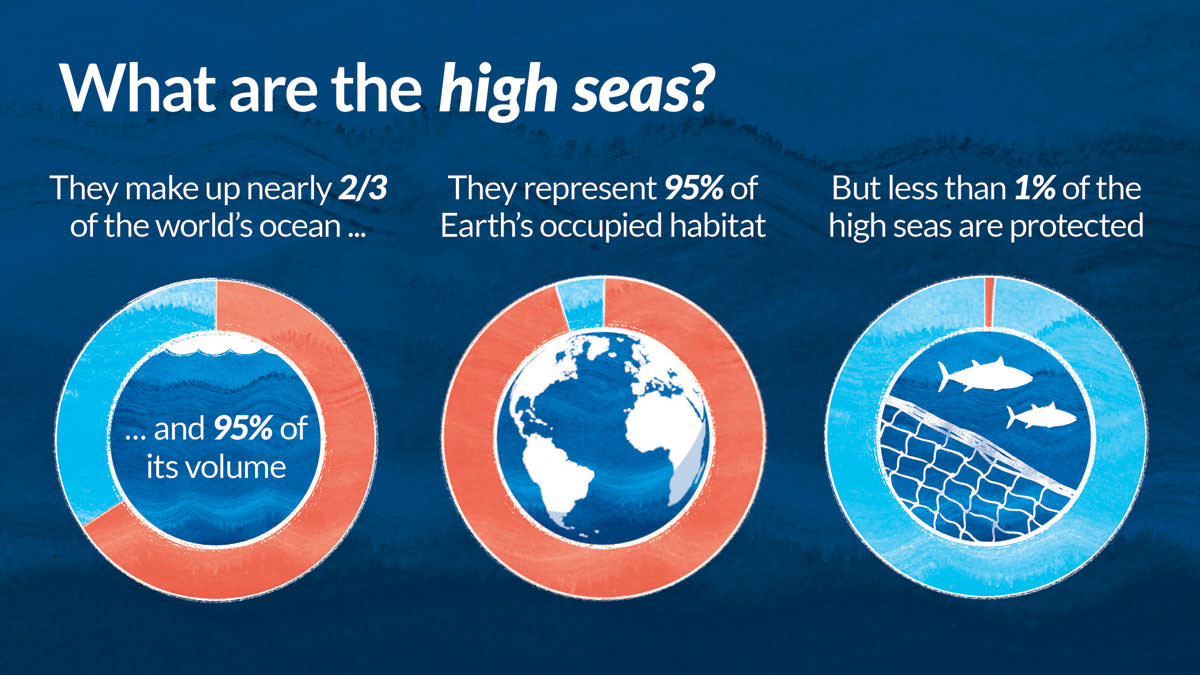
A major point of contention in every mission is where the interception takes place. International law generally protects the "freedom of the high seas," but the laws of naval warfare allow a belligerent to intercept a vessel suspected of breaching a blockade even in international waters, provided certain criteria are met.
Activists frequently claim they are "kidnapped" in international waters. The IDF counters that waiting until a ship enters Gaza's territorial waters—just a few miles from the coast—is a tactical nightmare. At that distance, the ship could be used as a shield for other activities, or it could be intentionally scuttled to block a channel. The "high seas" interception is a deliberate choice to maintain a buffer zone.
The Human Element in a Tech-Driven Conflict
Despite the drones, the satellite tracking, and the high-speed interceptors, these confrontations come down to the people on the deck. On one side are young conscripts, often barely out of their teens, trained to see every approaching vessel as a potential threat. On the other are activists—some driven by genuine pacifism, others by a desire for confrontation—who are willing to risk imprisonment for their cause.
The psychological pressure on the boarding parties is immense. They are operating in a confined space, often under the glare of cameras, knowing that a single mistake or a single shot fired in panic can alter national policy. For the activists, the pressure is different. They face the physical reality of being outmatched by a modern military, relying entirely on their status as "non-combatants" for protection.
The Sustainability of the Status Quo
Can this go on forever? The current trajectory suggests it can. As long as the blockade remains in place, there will be groups willing to challenge it. As long as the security threats from Gaza remain, the Israeli government will feel obligated to maintain the perimeter.
The flotillas have become a ritual. The ships are seized, the cargo is (sometimes) transferred by land, the activists are deported, and the cycle resets. It is a stalemate that serves the narrative needs of both sides while doing very little to change the material reality for the two million people living in Gaza.
The real failure of the flotilla phenomenon is not a lack of courage or a lack of resolve. It is the fact that the missions have become predictable. They have been priced into the geopolitical market. To break the stalemate, a fundamental shift in the regional security architecture is required, something that a few boats in the Mediterranean are unlikely to achieve on their own.
Until that shift occurs, the Mediterranean will continue to be a stage for this recurring drama. The boats will keep coming, the sirens will keep wailing, and the fundamental questions of sovereignty and human rights will remain unanswered. The sea does not keep secrets, but it does have a way of swallowing up the best intentions of those who sail upon it without a clear map for peace.
The next flotilla is likely already being planned in an office in London or Istanbul. The participants will sign their waivers, the captains will check their charts, and the naval commanders in Haifa will update their mission briefings. The actors change, but the play remains the same.