A silent, destabilizing symptom affects millions of dementia patients, yet it remains routinely misdiagnosed as mere stubbornness or denial. This condition is anosognosia, a neurological deficit that leaves individuals biologically incapable of recognizing their own cognitive decline. While families burn out trying to convince loved ones they are ill, the medical establishment has long offered little more than behavioral coping strategies. Now, a shift is occurring in clinical pipelines. Pharmaceutical companies are quietly pivoting toward experimental treatments targeting the specific neural pathways behind this profound lack of awareness, moving past standard memory enhancement to tackle the very framework of self-perception.
The Brain Plumbing Behind the Deficit
Anosognosia is not a psychological defense mechanism. It is a structural failure. When a patient insists they can still drive safely despite mapping a trail of minor vehicular accidents, they are not lying. They genuinely do not know.
In a healthy brain, the prefrontal cortex routinely updates the self-image based on feedback from the environment. If you trip over a rug, your brain registers the misstep and adjusts your perception of your balance. In a brain ravaged by Alzheimer’s disease or frontotemporal dementia, this feedback loop snaps.
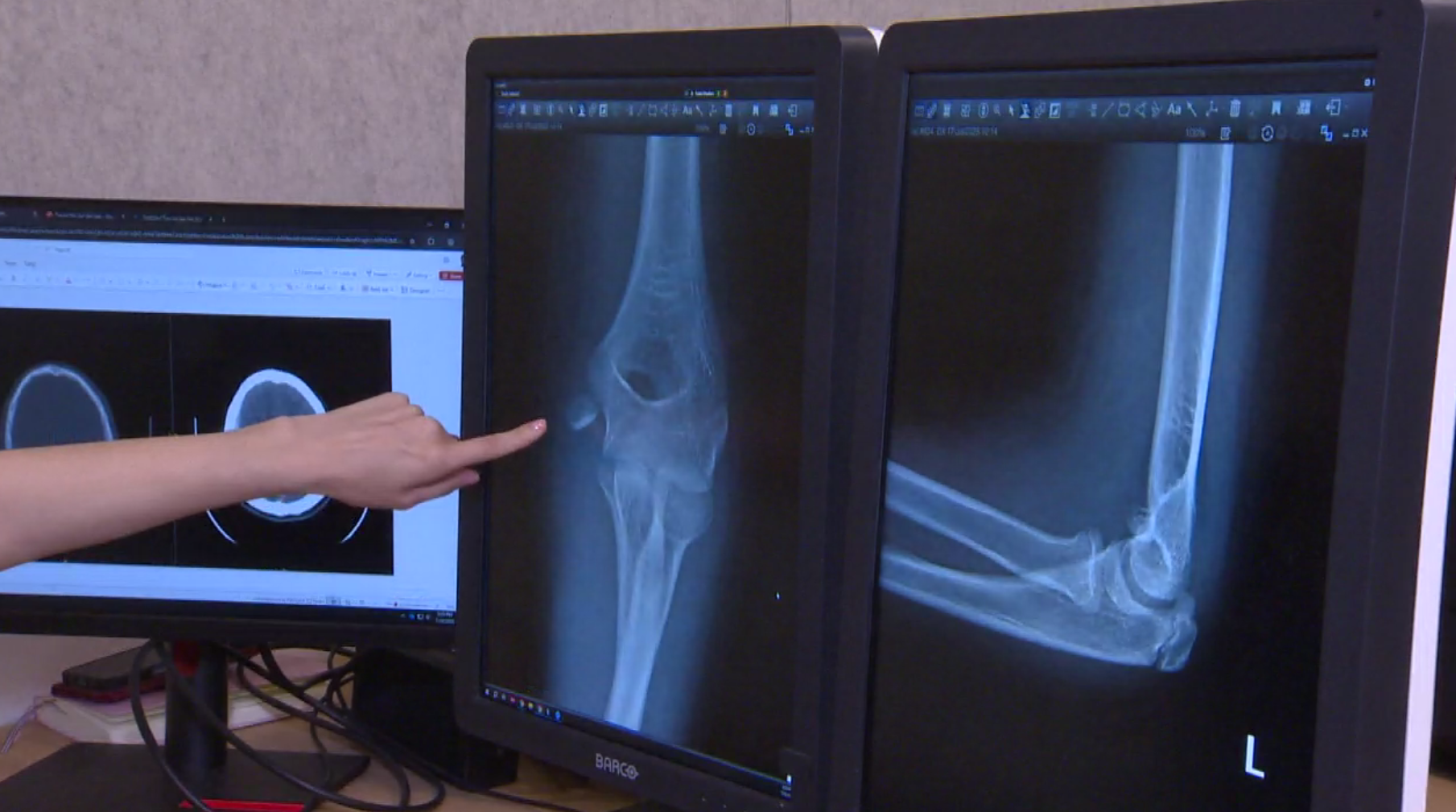
Neurological imaging reveals that damage to the right hemisphere, particularly the anterior cingulate cortex and the insular cortex, correlates heavily with the onset of the condition. These regions act as the brain's central processing unit for error detection and emotional appraisal. When these areas atrophy, the brain relies entirely on an outdated version of the self. The patient is effectively trapped in a historical version of their own capabilities, completely blind to current deficits.
The Financial and Emotional Toll on Caregivers
The clinical definition fails to capture the domestic chaos this condition inflicts. It destroys families long before physical decline sets in.
When a patient recognizes their memory lapses, they often cooperate with care plans. They take their medication, accept assistance with finances, and willingly hand over the car keys. Anosognosia eliminates this cooperation entirely. Caregivers find themselves locked in a daily psychological warfare, accused of gaslighting, stealing money, or fabricating illnesses to control the patient.
The economic consequences of this friction are quantifiable. Families dealing with high levels of patient anosognosia incur significantly greater care costs. The refusal to accept home health aides leads to delayed medical interventions, resulting in frequent emergency room visits for preventable crises like medication overdoses or wandering.
Institutionalization happens much faster here. Caregivers experience burnout at triple the rate of those looking after patients who retain insight into their illness.
The New Frontline of Experimental Pharmacology
For decades, the pharmaceutical industry focused almost exclusively on clearing amyloid plaques or boosting acetylcholine levels to preserve basic memory function. These drugs did nothing for insight. A patient might remember a word slightly faster, but they still insisted they were perfectly fit to manage their life savings.
A new wave of clinical trials seeks to alter this trajectory. Researchers are exploring compounds that modulate the frontostriatal circuits, using selective neurotransmitter agonists to sharpen error-detection mechanisms.
Serotonergic Modulators and Synaptic Plastiscy
One avenue of research targets specific serotonin receptors in the prefrontal cortex. By enhancing synaptic plasticity in these damaged regions, scientists hope to restore a degree of cognitive flexibility. The goal is modest but critical: allowing the brain to process new, discrepant information about its own performance. If these trials succeed, patients might not regain their lost memory, but they may regain the ability to realize that their memory is failing.
Neuroinflammation Barriers
Another school of thought links the rapid onset of anosognosia to localized neuroinflammation in the right parietal lobe. Experimental anti-inflammatory agents capable of crossing the blood-brain barrier are currently under evaluation. The working theory posits that reducing microglial activation in these precise zones can halt the degradation of the networks responsible for self-monitoring.
The Deep Ethical Minefield of Chemical Insight
Restoring awareness to a dementia patient sounds like an unalloyed good. The clinical reality is far darker.
Imagine waking up to discover that you have spent the last three years destroying your family's finances, alienating your children, and losing your mind. True insight can bring crushing depression.
+------------------------------------+------------------------------------+
| Potential Benefits of Insight       | Risks of Sudden Realization        |
+------------------------------------+------------------------------------+
| Increased cooperation with care    | Severe clinical depression         |
| Reduced caregiver burnout          | Acute anxiety and panic            |
| Fewer medication management errors | Elevated risk of self-harm         |
+------------------------------------+------------------------------------+
Clinicians who have watched patients briefly regain insight during lucid intervals note a sharp uptick in suicidal ideation. The brain's denial, while destructive to caregivers, often serves as a biological armor for the patient. Strip that armor away chemically without a robust psychological support framework, and you risk replacing a manageable cognitive deficit with an acute psychiatric emergency.
Why Current Drug Pipelines Might Fail the Real World
The enthusiasm surrounding these experimental treatments ignores the logistical hurdles of dementia care. Clinical trials occur in highly controlled environments with compliant patients and rigorous monitoring. The real world is messy.
Getting an anosognosic patient to take a pill designed to cure a condition they believe they do not have is an paradox that drug developers rarely address. If a patient believes their doctor is part of a conspiracy to prove they are crazy, they will hide the pill under their tongue or flush it down the toilet.
Furthermore, insurance frameworks remain ill-equipped to measure the success of an insight drug. Current metrics for drug approval rely heavily on cognitive scores like the Mini-Mental State Examination. These tests measure memory, orientation, and language. They do not measure whether a patient understands that they can no longer live alone. Until regulatory bodies update their efficacy criteria to include self-awareness metrics, pharmaceutical companies face an uphill battle in securing reimbursement for these compounds.
Redefining the Standard of Care Without a Cure
While the lab work continues, the immediate burden remains on frontline medical providers to change how they advise families.
Arguing with an anosognosic patient is a medical error. It triggers defensive anger and deepens paranoia. The current best practice relies on a strategy called LEAP (Listen, Empathize, Agree, Partner), originally developed for schizophrenia but increasingly adapted for dementia care. Instead of trying to convince a patient they cannot drive because they have dementia, a caregiver might agree that the traffic has become too stressful and partner with them to hire a driver.
This approach requires bypassing the truth entirely to preserve the patient's dignity and ensure safety. It is exhausting, counter-intuitive, and requires a level of emotional restraint that most untrained family members cannot sustain indefinitely.
The pursuit of a pharmacological fix for anosognosia highlights a profound truth about neurodegenerative disease. The loss of memory is tragic, but the loss of the ability to perceive that loss is what truly fractures the human experience. As experimental molecules move through Phase II and Phase III trials over the coming years, the medical community must prepare for the complex reality of waking patients up to their own decline.
The ultimate success of these treatments will not be measured solely by brain scans or cognitive scores. It will be measured by whether the restored awareness brings a patient cooperative peace or unmanageable despair.