Panic sells. Rationality doesn’t.
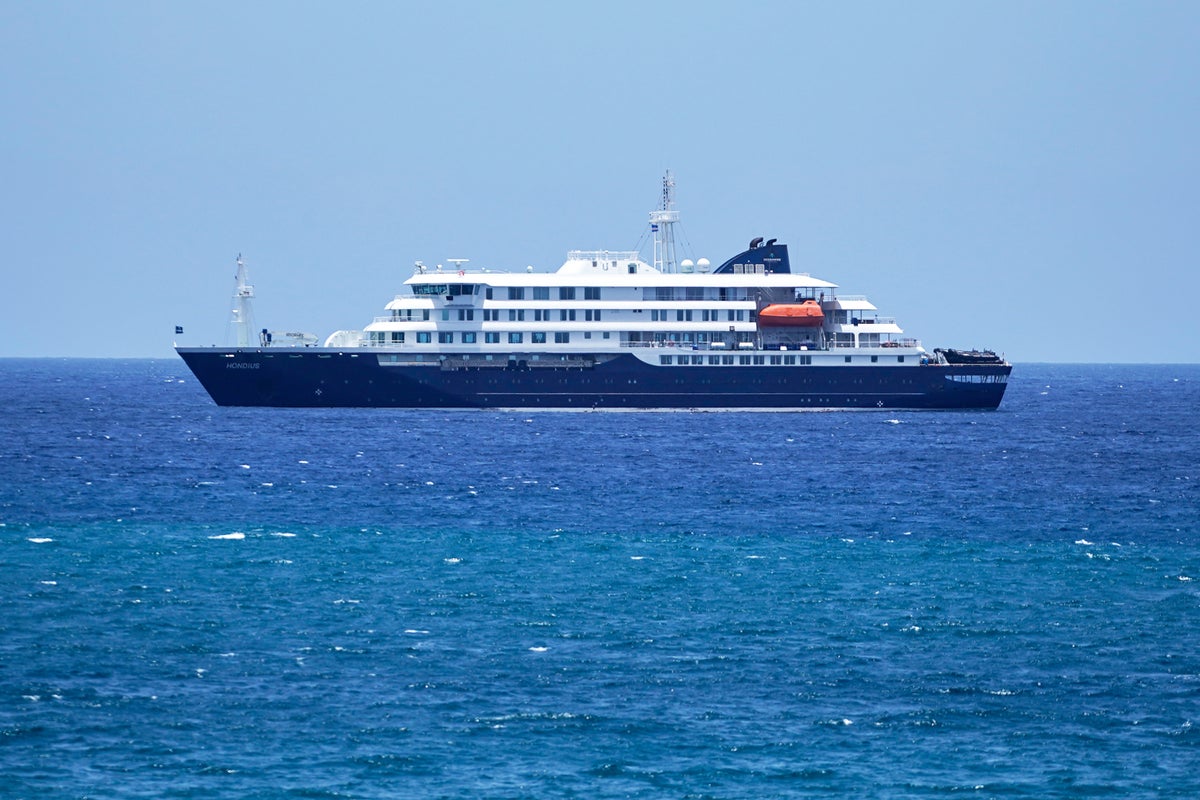
Right now, the media is treating a cruise ship evacuation over a hantavirus scare as if they’re filming a sequel to Contagion. The headlines scream about "emergency evacuations" and "deadly outbreaks," painting a picture of a plague ship drifting aimlessly while a viral shadow looms over the buffet. It’s a compelling narrative if you want to drive ad revenue. It’s an embarrassing failure of logic if you understand basic virology.
The mainstream press has effectively convinced the public that we’re one sneeze away from a floating morgue. They are wrong. They aren't just wrong about the severity; they are wrong about how the virus functions, why the evacuation is happening, and what the actual risk profile looks like for a modern traveler.
Stop reading the play-by-play of the boarding planks and start looking at the biology.
The Rodent in the Room
Hantavirus is not the flu. It is not COVID-19. It is not even Norovirus—the actual king of cruise ship misery.
The primary misconception driving this news cycle is the idea of "outbreak potential." To the average reader, an evacuation implies a chain reaction of infection. In reality, Hantavirus Pulmonary Syndrome (HPS) is almost exclusively a zoonotic event. You get it from breathing in aerosolized droppings, urine, or saliva of infected rodents.
- Deer mice.
- White-footed mice.
- Rice rats.
Unless the passengers are engaging in a localized, underground rodent-racing circuit in the engine room, the risk of a mass casualty event is statistically negligible. Human-to-human transmission is so rare it’s practically mythical. Specifically, the only strain ever documented to move between people is the Andes virus in South America. Most North American and global strains are a biological dead end once they hit a human host.
Evacuating a ship for hantavirus isn't about stopping a "spread" among passengers. It's about a failure of the ship's integrated pest management. The evacuation is a PR move and a legal shield, not a medical necessity for the healthy.
The Math of the Minority
The media loves to cite the 38% mortality rate for HPS. It’s a terrifying number. It’s also a classic example of data being used to lie.
That mortality rate applies to people who develop the full-blown pulmonary syndrome. It does not account for the vast number of people who may be exposed and remain asymptomatic or develop mild, flu-like symptoms that are never reported to the CDC. When you look at the actual number of cases reported annually in the United States, it’s usually fewer than 30.
You are significantly more likely to die from a fall on a slippery pool deck or a massive cardiac event at the 2:00 AM chocolate fountain than you are from hantavirus on a cruise.
The "lazy consensus" says the ship is a biohazard. The reality? The ship is a crime scene of sanitation negligence. If a cruise ship has enough rodent activity in passenger-facing areas to trigger an HPS alert, the virus is the least of your worries. You should be more concerned about the E. coli, the Salmonellosis, and the general breakdown of the $150 billion cruise industry’s hygiene standards.
Why the Evacuation is a Performance
I’ve spent years watching corporations handle PR disasters. This evacuation isn't "precautionary" in the way the captain’s announcements suggest. It’s a calculated legal maneuver.
If a cruise line keeps 3,000 people on a ship where a single case of hantavirus is confirmed, they are opening themselves up to class-action litigation that would make the Costa Concordia settlements look like pocket change. They evacuate because it’s cheaper to fly you home and give you a voucher for a 2027 sailing than it is to defend a "negligent endangerment" suit in a maritime court.
The Logistics of Theater
- Symptom Mimicry: Hantavirus starts with fever, aches, and fatigue. On a cruise ship, that describes 15% of the population on any given morning after an open-bar night.
- The Panic Loop: Once the word "Hantavirus" hits the ship’s Wi-Fi, every cough becomes a death knell. The infirmary gets overwhelmed not by the sick, but by the terrified.
- Sanitization Scrub: You can’t deep-clean a ship with 3,000 people eating and sleeping in the way. You need them gone so you can bring in the industrial-grade bleach and the pest control teams to find the breach in the hull where the rodents entered.
The evacuation is a "reset" button for the brand, not a rescue mission for the dying.
The Modern Traveler’s Delusion
We live in an era of "safetyism." We expect every environment to be a sterile bubble, yet we choose to pack ourselves into metal tubes with thousands of strangers and sail into environments where hygiene is maintained by a skeleton crew of underpaid contractors.
The competitor's article focuses on the "heroic" efforts of the Coast Guard or the local health authorities. They’re missing the point. The story isn't that people are being saved; the story is that people are shocked that nature still exists.
Hantavirus is a reminder that you cannot fully sanitize the world. Whether you’re hiking the Appalachian Trail or sitting in a "Luxury Suite" on a mega-liner, you are part of an ecosystem. Sometimes, that ecosystem includes mice.
Stop Asking if it’s Safe
The most common question people ask during these scares is, "Is it safe to go on a cruise?"
It’s the wrong question. It’s always been the wrong question. A cruise is a floating petri dish. It was a petri dish in 2019, it was a petri dish in 2020, and it remains one today. If you are terrified of a virus with a transmission rate lower than lightning-strike odds, you shouldn't be traveling.
Instead, ask: "Is the cruise line’s response proportionate to the risk?"
The answer is a resounding no. The response is a frantic over-correction designed to soothe shareholders and prevent a stock price tumble. By treating this like an airborne Ebola outbreak, the industry is actually fueling the very hysteria that hurts it. They are teaching the public to fear the wrong things.
The Actual Risk Checklist
If you find yourself on a ship with a "virus scare," do the following instead of hyperventilating into your overpriced souvenir towel:
- Check the source: Is the virus human-to-human? If not, stay away from the air vents and the basement.
- Identify the vector: If it’s rodents, look for signs of infestation in your cabin. No droppings? No problem.
- Ignore the "Breaking News": The journalists writing those stories haven't stepped foot on a boat in a decade. They are reading a press release and adding adjectives.
We have reached a point where medical theater is more important than medical science. The evacuation of this ship is the peak of that theater. It’s a high-stakes, high-cost performance intended to convince you that the "authorities" are in control.
They aren't. They’re just cleaning up a mess that should have been prevented by a few more mousetraps and a better cleaning crew.
The virus isn't the threat. The panic is the infection. And as usual, it’s spreading faster than the actual pathogen ever could.
The ship isn't a tomb; it’s just a very expensive lesson in the futility of trying to outrun biology with a PR firm.