The Weight of the Earth
The monsoon does not fall in Nepal; it arrives as a siege. I remember the sound of it hitting the corrugated tin roof of a tea house in the lower valleys—a relentless, deafening percussion that shakes the very floorboards beneath your boots. After three days of unbroken rain, the mountains stop being permanent. They become liquid.
When people speak of natural disasters from a distance, they reach for numbers. They quote magnitudes, death tolls, and monetary losses. But statistics cannot capture the texture of catastrophe. They cannot convey the suffocating weight of wet silt settling over a village, or the terrifying silence that follows a mountainside giving way in the dark.
Consider a hypothetical family in a remote Sindhupalchok hillside settlement. Let us call them the Gurungs. For generations, their ancestors farmed the steep, terraced slopes, coaxing maize and millet from earth enriched by centuries of glacial runoff. They knew every stone, every tree, every seasonal trickle of water. But the climate has rewritten the rules of the Himalayas. Glacial lakes, swollen by rising temperatures, burst their natural moraine dams without warning. Slopes stripped of ancient root systems by unregulated road construction can no longer hold their grip when the heavens open.
One night, the mountain simply let go.
It is not just water that comes down these valleys. It is a terrifying, churning slurry of boulders, pulverized rock, and organic waste—a suffocating tide that buries homes before the occupants can wake from sleep. Survivors often speak of the quicksand-like nature of the debris flows. In the immediate aftermath, areas that look solid from a distance turn out to be bottomless traps of slurry and rotting organic matter, where rescuers sink waist-deep into the very earth that took their neighbors.
When Infrastructure Becomes the Hazard
We build roads to connect the isolated. We carve paths into vertical cliffs to bring markets closer to mountain communities. Yet, in the fragile geology of the young Himalayan range, every cut into a hillside acts like an unhealed wound.
Unstable slopes.
Unregulated excavation.
Unprecedented rainfall patterns.
These are not separate phenomena. They are a chain reaction. When heavy machinery carves roads without proper drainage, the monsoon rains find immediate footholds. They seep into the exposed cuts, lubricate the underlying strata, and trigger landslides that wipe out the very roads they sought to build.
The tragedy compounds itself. Roads meant to facilitate evacuation routes become blocked by debris, isolating communities precisely when they need rescue the most. Bridges wash away like twigs. Communication lines snap. For days, valleys are cut off entirely from the outside world, left to decipher the extent of the damage by the color of the swollen rivers rushing past their ruined doorsteps.
The Human Toll Beneath the Headlines
I have walked through villages where the air smells faintly of wet ash and turned earth long after the floodwaters receded. The physical destruction is staggering, but the psychological erosion is total.
Imagine standing on a patch of ground where your kitchen, your livestock shed, and your children's school used to stand, only to find a grey wasteland of boulders and mud. Where do you plant next season's crop? Where do you bury your dead when the graveyard itself has slid down the khola?
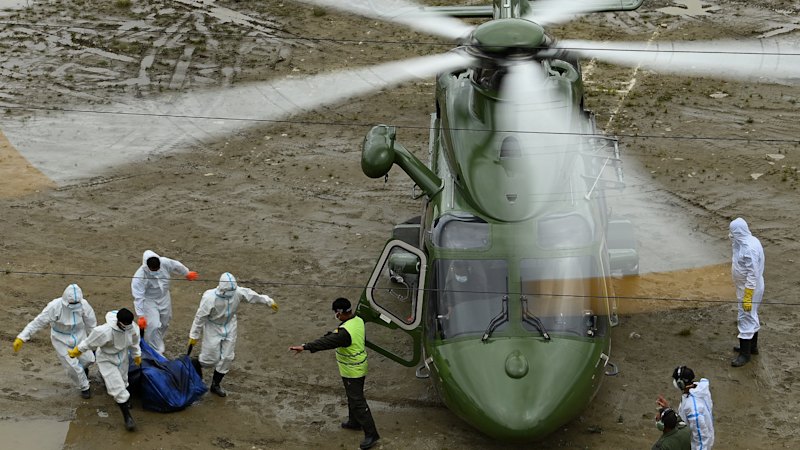
Aid organizations and government agencies strive to respond, but the geography of Nepal fights back at every turn. Helicopters cannot fly through swirling cloud banks and monsoon squalls. Relief supplies must be carried on foot along narrow, crumbling trails by porters who risk their lives with every step.
This is the reality behind the brief news bulletins. It is a slow, grinding struggle for survival that extends months after the cameras have packed up and left.
Beyond the Horizon
The earth continues to shift beneath our feet. The monsoon returns year after year, testing the resilience of a people who have learned to live on the edge of monumental beauty and constant danger.
Yet, resilience is a heavy armor to wear every single day.
Listen closely to the valleys when the rain finally stops. You will hear the sound of shovels striking stone. You will hear children shouting across the gap of a washed-out bridge, trying to reach a makeshift classroom. They are rebuilding. Not because the danger has passed, but because the mountains are their home, and there is nowhere else left to go.
The river rolls on, carrying the wreckage of the past toward the plains below, leaving those who remain to watch the clouds gather once more over the high peaks.