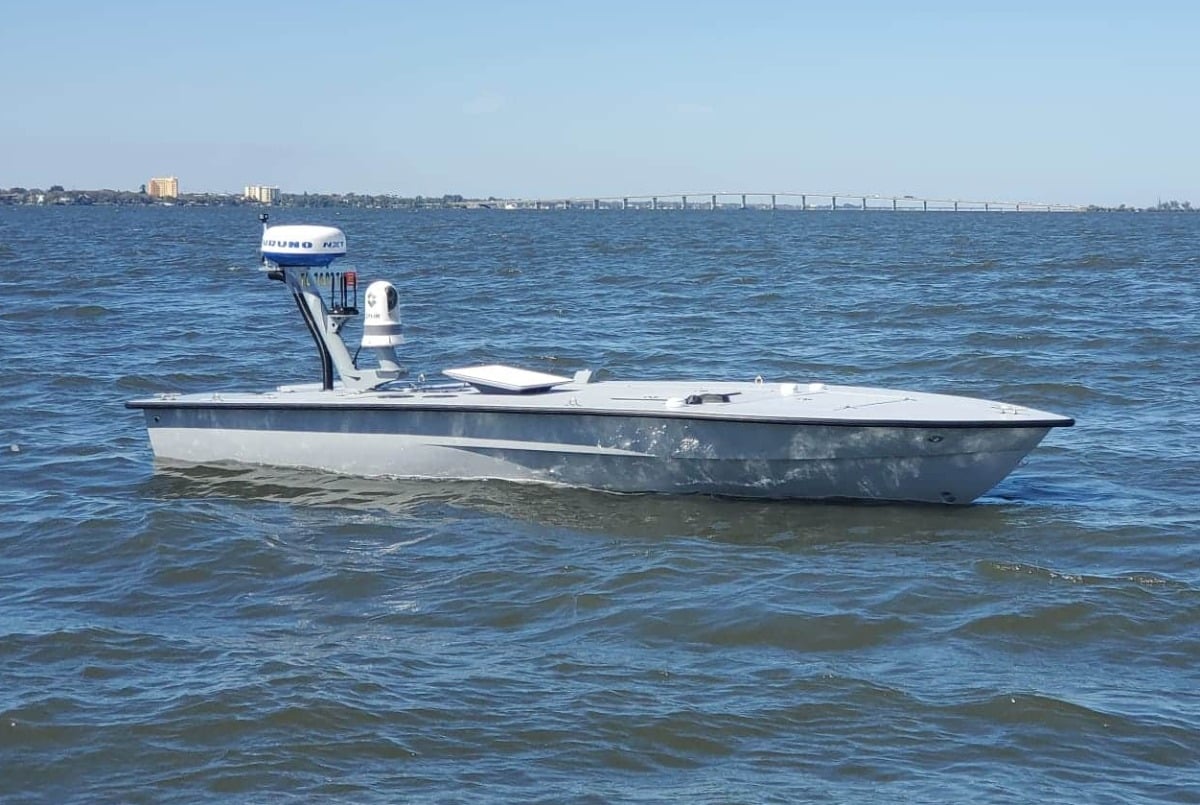
Aerial drones get all the headlines. We have all seen the terrifying footage of first-person view quadcopters chasing down individual soldiers or dropping explosives through open tank hatches. But a much quieter, grittier transformation is happening right in the mud of the eastern front. Automated ground vehicles are quietly taking over the most lethal jobs in the trenches.
This isn't a science fiction movie with humanoid terminators. It's an assembly of rugged, low-profile machines built in converted garages and small workshops across Ukraine. They haul ammunition through artillery fire. They evacuate wounded soldiers under heavy machine-gun tracking. Some even carry explosive charges directly into enemy bunkers. The reality of modern ground combat has shifted fundamentally. If you are still thinking about infantry warfare in terms of pure human grit and traditional artillery, you are missing the actual tactical shift. Meanwhile, you can read similar stories here: Selling Sunshine at Midnight Is a Multibillion Dollar Space Mirage.
The deployment of these unmanned ground systems answers a desperate, practical need. Human resources are precious. The firepower concentrated on the modern battlefield makes exposed movement a near-instant death sentence. Ground robots have transitioned from experimental tech toys to essential frontline assets.
The Brutal Evolution of Automated Ground Systems
Early military ground robots were clumsy, expensive projects built by massive defense contractors. They cost hundreds of thousands of dollars. They broke down in real mud. Ukraine changed that approach completely by focusing on cheap, iterative engineering. Through platforms like the government-backed tech cluster Brave1, hundreds of small tech teams started building what the infantry actually demanded. To see the full picture, check out the excellent analysis by Wired.
Take the Ratel S for example. It's a small, four-wheeled electric vehicle. Soldiers use it to deploy anti-tank mines or blast enemy fortifications from a safe distance. It rolls under the radar, literally. Because it sits low to the ground, traditional anti-tank weapons struggle to hit it, and thermal imagers often miss its small electric motor signature.
Then there is the Ironclad, a larger combat UGV equipped with a machine gun turret. It allows operators to engage targets from a trench hundreds of meters away using a secure radio link. This keeps the gunner out of the direct line of sight of enemy snipers and drone pilots. These machines don't need to be perfect. They just need to work long enough to save a human life. When a robot gets blown up by an artillery shell, you lose a few thousand dollars of steel and electronics. You don't lose a trained soldier.
Why Small and Cheap Beats Heavy Armor
Traditional military doctrine favors massive, heavily armored platforms. Millions are spent trying to make a tank invincible. But out in the Donbas region, heavy armor struggles against the sheer density of anti-tank weapons and kamikaze quadcopters. Small ground robots turn this equation upside down.
Large vehicles get spotted miles away by recon drones. A small, silent ground platform can crawl through high grass and tree lines undetected. Units use logistics robots like the Sirko-S to carry water, rations, and heavy ammunition crates directly to isolated outposts. A trip that used to require four soldiers risking their lives under constant shelling now requires one operator staring at a screen in a reinforced bunker.
The build quality matches the harsh reality. Creators use off-the-shelf components, electric bike motors, and basic plastic chassis elements. If a wheel breaks, troops swap it out in minutes using basic garage tools. This scrappy philosophy keeps production numbers high and costs incredibly low. It turns out that three small, disposable machines provide far more tactical flexibility than one massive, over-engineered armored vehicle.
The Jamming Nightmare That Forces Autonomy
Electronic warfare dominates the modern battlefield. The air is thick with invisible signals designed to sever the link between an operator and a machine. If a ground vehicle relies entirely on a continuous radio signal, it becomes useless the moment it enters a heavily jammed sector. This hostile environment forces developers to rethink control systems entirely.
Engineers are bypassing electronic warfare in two distinct ways. The first is surprisingly low-tech but highly effective: physical fiber-optic cables. By unspooling a thin, ultra-strong wire behind the robot as it moves, operators maintain a crystal-clear video feed and perfect control. The signal cannot be jammed by radio transmitters.
The second method involves local machine vision. Developers are integrating basic artificial intelligence chips directly onto the vehicle's circuit boards. When the radio link drops out, the onboard system takes over. It recognizes the path ahead, avoids large craters, and continues toward its pre-programmed coordinates without needing a satellite signal. This isn't high-level consciousness. It's practical, localized automation designed to survive a chaotic electronic environment.
How This Reshapes Infantry Operations Today
The integration of these systems changes how small units operate on a daily basis. Infantry squads are no longer just pack mules carrying hundreds of pounds of gear through treacherous terrain. The presence of a logistics robot alters their physical endurance and survival rates.
During defensive operations, automated machine-gun turrets can be placed in advanced, highly exposed positions. Human soldiers stay further back in deeply buried dugouts. When an assault begins, the automated turrets open fire first, drawing enemy counter-battery attacks away from the actual troop positions. The enemy wastes expensive ammunition destroying remote-controlled metal tripods while the infantry remains safe and ready to fight.
Medical evacuation shows the most immediate humanitarian impact. Pulling a wounded man off the battlefield under fire normally requires two to four able-bodied soldiers. That instantly guts the firepower of a squad. A rugged ground stretcher platform can roll right into the hot zone, allow the wounded soldier to crawl aboard, and whisk them back to safety automatically. It changes the math of survival in high-intensity combat.
Practical Steps for Modern Defense Planners
Military strategists worldwide must adapt to this shift immediately. Relying on legacy procurement cycles that take a decade to deliver a single vehicle platform is a recipe for irrelevance.
First, defense budgets must pivot toward funding small, agile engineering teams rather than solely relying on legacy defense conglomerates. The ability to update software weekly based on real combat feedback matters more than having a polished, static product.
Second, manufacturing must prioritize modularity. A standard chassis should be capable of switching from a cargo hauler to a minelayer or a casualty transport within thirty minutes in the field.
Finally, training programs must integrate robotics into the lowest levels of infantry command. Every squad needs members who understand battery management, field repairs, and signal propagation as deeply as they understand basic marksmanship. The future of infantry survival depends on how well humans and small ground machines work together in the dirt.