The desk light hums at 2:14 AM. It is a familiar sound, the low-frequency drone of an old fluorescent tube that has outlived two office leases and three rounds of venture capital.
Across the room, illuminated by the pale glare of a terminal window scrolling C++ libraries at blinding speed, sits Mateo. He is thirty-four years old. He has a master's degree in artificial intelligence from a university whose name commands immediate reverence in three different time zones. He speaks four languages. He is also, for all practical purposes, tethered to a single zip code by an invisible chain made of paperwork, biometric scans, and a stamp in a dark blue passport.
Mateo does not own his time. Not entirely. His legal right to exist in the country where he designs the neural networks powering the next generation of logistics software depends on a slip of paper known as the H-1B visa.
And now, the goalposts have moved again.
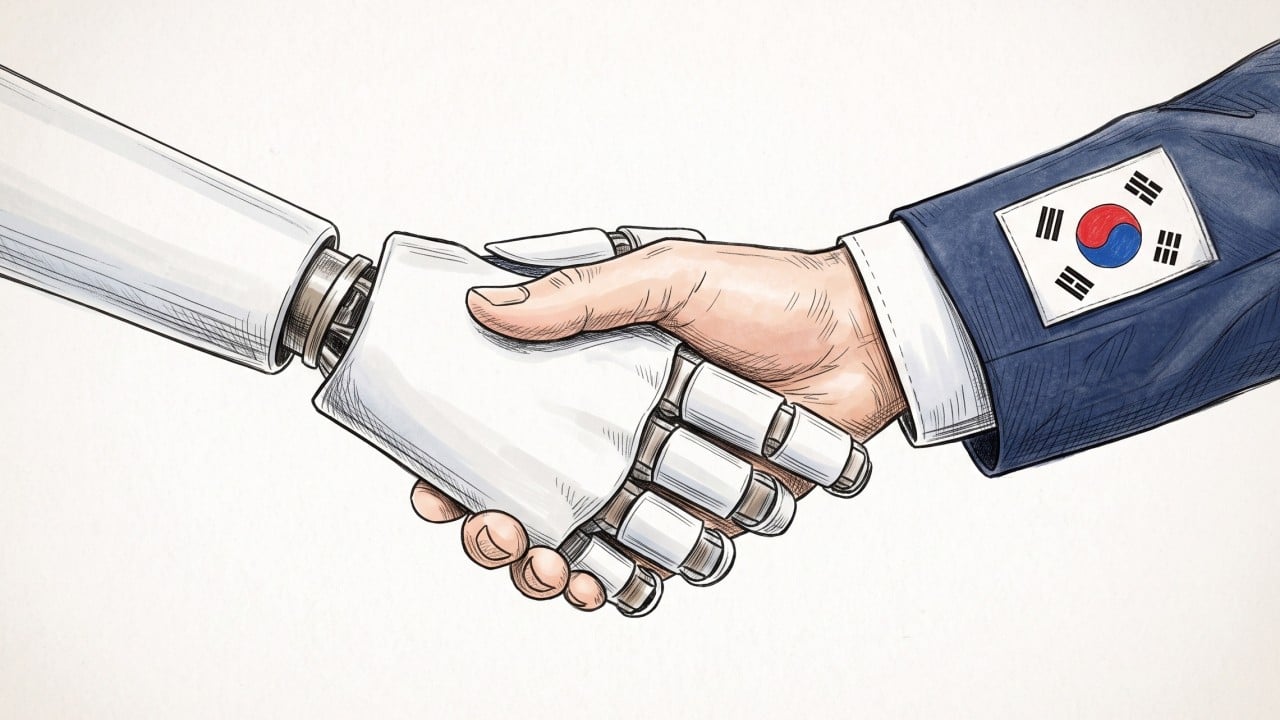
In quiet administrative corridors, away from the neon-lit stages where tech founders boast about changing the world, a quiet bureaucratic lever was pulled. The push for a staggering $100,000 baseline for certain specialized H-1B visas has been quietly extended by another year.
To the casual observer scanning a financial wire, it is a policy update. A footnote. A regulatory adjustment in an alphabet soup of immigration acronyms.
To Mateo, and to hundreds of thousands of engineers, researchers, and physicians working in the silent engine room of the modern economy, it is an existential gravity check.
The Arithmetic of Belonging
Let us talk about numbers, but let us strip them of their cold abstraction.
The proposal carries a heavy price tag: $100,000. On paper, the justification sounds protective. The architects of the policy argue that setting a high financial barrier ensures that only the absolute elite—the top-tier talent that domestic companies simply cannot source locally—gain entry. It is framed as a shield against cheap labor, a way to protect local wages from downward pressure.
Logically, it sounds defensible. Economically, it is a sledgehammer applied where a scalpel is required.
Consider the landscape of innovation. Not every brilliant programmer or computational biologist starts their career at a Silicon Valley giant capable of absorbing six-figure regulatory overhead without blinking. Think of the biomedical startup in Pittsburgh trying to cure a rare form of pediatric leukemia. Think of the agricultural technology outfit in Iowa trying to optimize crop yields with computer vision.
These organizations do not have unlimited reserves of venture cash. They operate on tight margins, fueled by grants, early-stage funding, and sheer stubbornness.
When you attach a punishingly high financial toll to the administrative process of hiring specialized international minds, you do not hurt the trillion-dollar monoliths. They can pay the $100,000 fee and treat it as a rounding error. They can absorb it, internalize it, and use it to tighten their monopoly on talent.
Who gets squeezed? The small shops. The risk-takers. The academic labs. The fragile ecosystems where true breakthroughs actually happen.
The Human Cost of Waiting
Immigration policy is rarely discussed in terms of human breath, but it should be.
Every extension, every delay, every arbitrary bureaucratic pivot alters the shape of human lives in real-time. Mateo has lived in the same apartment for six years. He has planted tomatoes on his balcony every spring. He has watched his neighbors' children grow from toddlers into kids who ride skateboards down the sidewalk. He knows the barista at the corner shop by name; she knows he takes his espresso with a single drop of honey.
Yet, Mateo lives in a state of suspended animation.
Because his visa is tied directly to his employer, every single professional choice he makes carries catastrophic weight. If his manager is toxic, he stays. If the company culture turns hostile, he stays. If he wants to pivot his research or start his own venture, he calculates the risk of deportation against the value of his freedom.
This is the hidden cost of friction. It creates a caste of high-skilled professionals who are structurally discouraged from taking risks.
Innovation requires risk. It requires the freedom to fail, to leave a stable job, to build something weird and unproven in a garage. But when your right to stay in your home of a decade depends entirely on maintaining a specific employment status under an increasingly punishing financial regime, caution becomes your default setting.
You do not innovate when you are looking over your shoulder. You comply.
The Illusion of Protection
Why do we cling to the idea that drawing thicker walls around talent creates prosperity?
The global market for intelligence is not local anymore. It is fluid, aggressive, and entirely indifferent to national borders. While policy debates rage in Washington about visa fees and salary thresholds, talent is quietly voting with its feet.
Engineers who might once have looked to the United States as the definitive destination for their ambitions are increasingly looking elsewhere. Toronto, Berlin, London, Singapore—these hubs are rolling out the red carpet, offering streamlined pathways, predictable permanent residency tracks, and far less regulatory hostility.
If you make the barrier to entry punishingly expensive and emotionally exhausting, you stop filtering for the best. You filter for the most resilient, or worse, the ones with generational wealth who can afford the bureaucratic gauntlet.
The genius working in a university lab in Mumbai or São Paulo does not lack talent. They lack a lottery ticket. And when that lottery ticket costs a fortune and comes with endless extensions of uncertainty, they simply stop playing. They build the future somewhere else.
The Quiet Room at Dawn
Back in his apartment, the clock ticks past 3:00 AM.
Mateo finishes debugging the script. The terminal flashes a clean, green confirmation code. The software works. The supply chain routing algorithm he designed will save millions of shipping hours next quarter, reducing carbon emissions across three continents.
He leans back in his chair, rubbing his eyes. He looks at his desk: a photograph of his aging parents back home, taken during a brief visit three years ago—a visit he hasn't dared repeat for fear that consular backlogs might trap him outside the border.
He wonders, not for the first time, how long he can sustain this geometry of existence. How long he can build a life in a place that treats his presence as a temporary transaction rather than an investment in a shared future.
The extension of the $100,000 H-1B push for another year is more than a headline about corporate compliance or labor economics. It is a signal about who we are afraid of, and who we are willing to let go.
And as the first pale sliver of daylight begins to cut through the blinds, touching the edge of the keyboard, the silence in the room feels heavier than before.