The heavy, sweet smell of unrefined sulfur clings to the humid air of western Venezuela, a scent that ordinary people have lived with for generations, much like the relentless afternoon thunderstorms that roll off the Caribbean.
Stand on the shores of Lake Maracaibo at dawn, and the water does not look like water. It looks like polished obsidian, streaked with the bronze reflections of a rising sun that struggles to burn through a permanent haze. For over a century, this vast, shallow bay pumped the black lifeblood of an entire nation. The derricks stood like skeletal monuments to modern wealth, their metal frames rusting in the brackish brine.
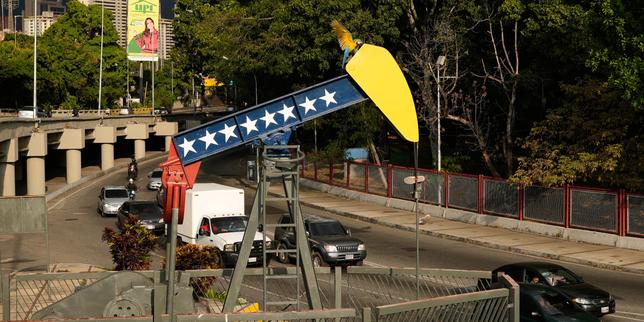
Today, those rigs tell a different story. They are silent.
Down the coast, in a cramped kitchen in Cabimas, Mateo pours the dregs of a cold cup of coffee into the sink. He is fifty-four years old, and his hands are permanently stained with the greyish-black grease of a driller who spent thirty of those years keeping the pumps moving. When Mateo talks about crude oil, he doesn't speak of barrels per day or geopolitical leverage. He speaks of it as a difficult relative—temperamental, demanding, and ultimately inescapable.
"We built our houses on it," he says, staring out the warped window screen at a stray dog picking through an empty garbage bin. "We thought it would buy us time. Instead, it bought us silence."
When Washington announces a sweeping shift in policy regarding Venezuelan petroleum, the boardroom pundits in New York and London parse the wording for futures trading. They talk about supply chains, sanctions relief, and the stabilization of global energy markets. But out here, where the iron is cold and the pipes are choked with sediment, the news sounds less like a geopolitical maneuver and more like a weather front moving in from the north.
Consider what happens when a superpower decides to assert direct custody over another nation's primary resource. It sounds clean on television. A press conference in Washington, a signed executive order, a portfolio of heavy crude allocations managed by foreign conglomerates like Chevron or ExxonMobil. It feels like an administrative stroke of a pen.
It is not.
To understand why, you have to walk the catwalks of a neglected offshore platform. You have to see the corrosion eating through the structural pilings, salt water chewing at steel that hasn't seen a fresh coat of anti-corrosive paint in a decade. The infrastructure is not merely old; it is exhausted. Decades of underinvestment, capital flight, and the brain drain of thousands of engineers who packed their lives into suitcases and fled to Houston or Madrid have left the Venezuelan oil patch a ghost of its former self.
When Donald Trump declares an American hand on the tiller of this massive reserve, he is claiming dominion over a giant that has been starved of food and water for years.
(Note: This is not to suggest the machinery cannot be revived. Capital has a way of cutting through rust.)
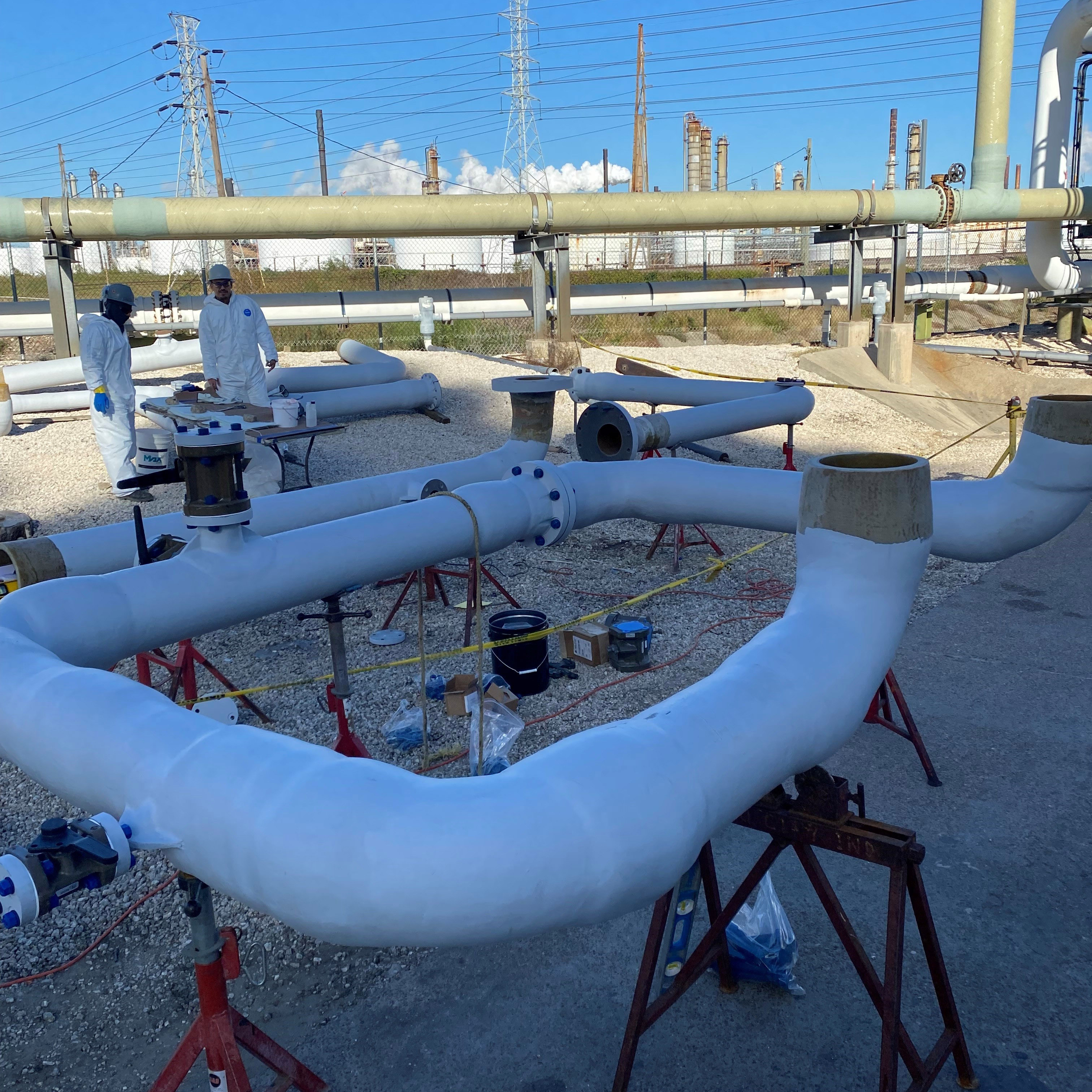
Billions of dollars in foreign direct investment can work wonders. But iron and concrete do not fix themselves overnight. The heavy extra-heavy crude found in the Orinoco Belt requires specialized upgraders—complex chemical refineries that strip out the asphalt and sulfur before the oil can even be piped to a tanker. Most of those upgraders have been cannibalized for spare parts or left to bake in the tropical sun.
To bring that oil back to American ports in meaningful volumes requires a staggering mobilization of engineering muscle. It means dredging channels, replacing miles of subsea pipe, and reinstating security in regions where local armed gangs—known as pranes—have effectively taxed whatever commerce still moves through the swamps.
Yet the hunger for that oil remains entirely real.
The global energy map is a fragile web of supply lines. When Middle Eastern shipping lanes tighten or European markets scramble to replace Russian hydrocarbons, the heavy crude of the Western Hemisphere becomes an irreplaceable prize. It matches the specific chemistry of United States Gulf Coast refineries, which were custom-built decades ago to process thick, sulfurous oil. For American refiners, getting Venezuelan crude back isn't about politics; it's about efficiency and margins.
Mateo remembers when those same refineries were the destination for every drop he pulled from the earth.
"In the nineties, we felt invincible," he remembers, leaning against the doorframe. "Every house on this street had a new car out front. My cousin bought a boat. We thought the well would never run dry."
The illusion shattered slowly, then all at once. Mismanagement met ideology, and ideology met the unforgiving wall of physics and economics. Production plummeted from nearly three million barrels a day down to a pathetic trickle, forcing millions to line up for hours just to find gasoline in a country that sits atop the largest reserves on the planet. The bitter irony of that reality has hollowed out the national spirit.
When foreign powers step in to reclaim control—whether through economic muscle, diplomatic pressure, or corporate stewardship—they are stepping into a profound vacuum of trust.
The people living along the shores of Lake Maracaibo have heard every promise under the sun. They were told that nationalization would feed the poor, and they watched the supermarkets empty. They were told that resistance would bring dignity, and they watched their children emigrate on foot across the Darien Gap. Now, they are being told that American stewardship will restore the flow.
They do not cheer. They do not riot. They simply wait to see if the lights in the control rooms ever flicker back on.
As the sun climbs higher over the lake, turning the oily sheen into a blinding silver glare, Mateo picks up his cap. He has to walk down to the dock to meet a younger neighbor who is trying to patch up an old wooden fishing skiff. The fish have grown scarce near the rigs anyway—the leaks see to that—but a man has to do something with his morning.
Far to the north, desks are cleared, briefs are signed, and the grand architecture of global energy policy shifts by another degree. But down here, where the crude still stains the reeds at the water's edge, the future is not a strategy document. It is just the sound of the wind moving through rusted steel, waiting for someone to turn the valve.