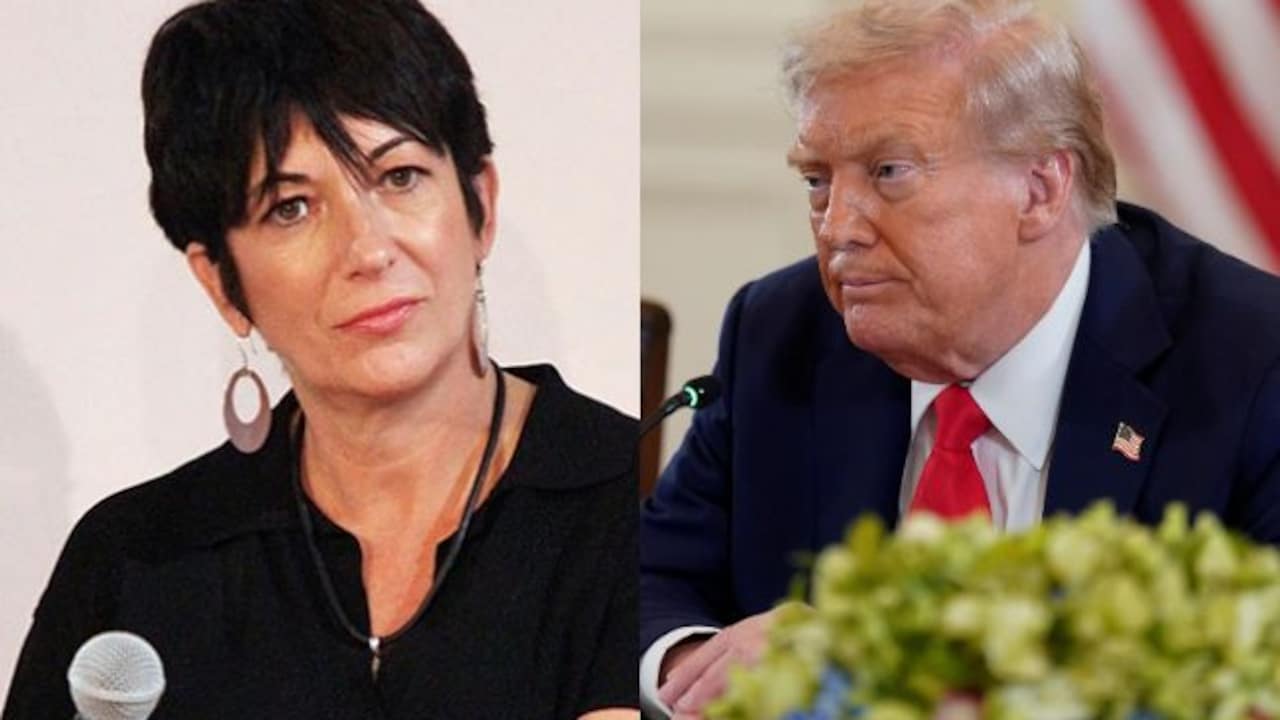
Another day, another closed courtroom door for Ghislaine Maxwell.
Federal judges don't usually write 67-page takedowns unless they're entirely exhausted by a defendant's arguments. Yet that is precisely what U.S. District Judge Paul Engelmayer did when he completely dismantled Maxwell’s latest attempt to escape her 20-year sentence.
Representing herself, Maxwell filed a habeas corpus petition trying to claw her way out of a sex trafficking conviction. She claimed her 2021 trial was a miscarriage of justice. She argued that hidden evidence would have cleared her. She insisted she was just a scapegoat for Jeffrey Epstein's crimes.
Judge Engelmayer didn't buy a single word of it.
Why the Legal Strategy Collapsed
The core of Maxwell’s motion relied heavily on files released under the Epstein Files Transparency Act. She figured those public documents would contain the golden ticket—proof that the government withheld exculpatory material or framed her to protect other powerful names.
Instead, the strategy completely backfired.
Engelmayer pointed out a glaring flaw in her logic. The documents she cited either had nothing to do with her specific charges or, worse yet, actively reinforced how correct the original jury was. Far from exonerating her, the files further tied her directly to the abuse and grooming of underage girls.
When you read through the judge's written opinion, a clear picture emerges of a desperate prisoner throwing every possible argument at the wall to see what sticks. Most of her claims were legally barred because her defense team either already raised and lost those exact points on direct appeal, or chose not to bring them up when they actually had the chance.
The Scapegoat Defense That Fell Flat
Maxwell tried to argue that she was unfairly singled out while dozens of other associates walked free. She claimed selective prosecution.
Judge Engelmayer dismissed that narrative out of hand, labeling the prosecution as the "epitome of a virtuous prosecution". He noted a glaring contradiction in her story as well. In a prison interview with high-ranking Justice Department officials, Maxwell admitted to managing Epstein's sprawling properties and staff long after she claimed she had severed ties. You cannot claim you were completely removed from a household while simultaneously admitting you ran its daily operations.
The court made its stance crystal clear. The evidence pointing to her guilt was overwhelming, and her latest motion was built on a foundation of speculation, distortions, and outright falsehoods.
What Happens Next for the Epstein Associate
With this ruling, Maxwell is running out of legal roads to travel. Her convictions have survived the Second Circuit Court of Appeals, the Supreme Court turned away her previous petitions, and now a federal district judge has labeled her newest claims "frivolous".
Judge Engelmayer went a step further, formally certifying that any subsequent appeal on these grounds would not be taken in good faith.
She remains locked away at a minimum-security federal prison camp in Texas, with an expected release date in 2037. Unless an entirely unforeseen legal miracle drops into her lap, her time inside federal custody is locked in. The justice system examined her final desperate swing and decided the verdict stands.


