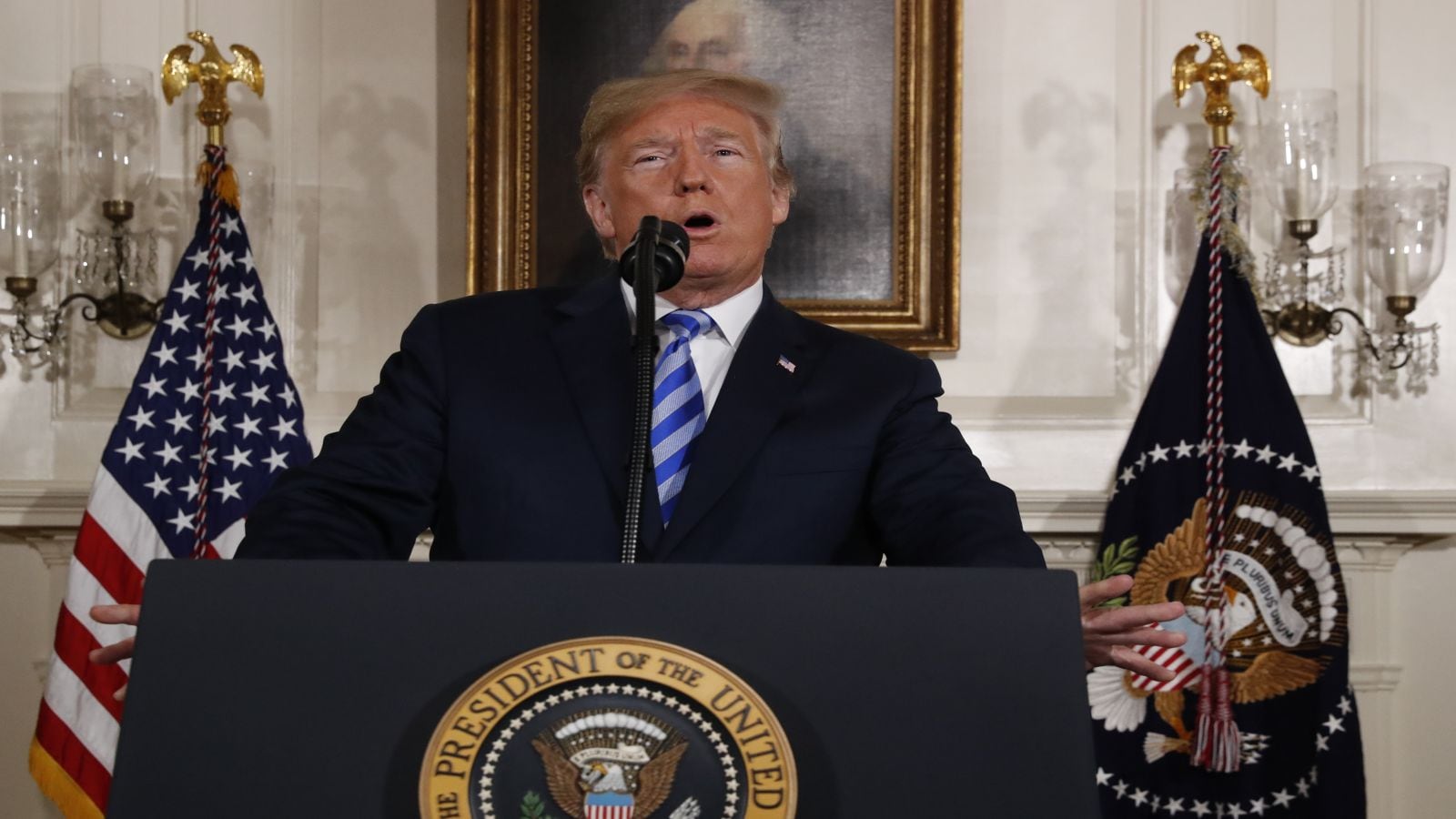
The convergence of diplomatic negotiations and physical maritime disruption is rarely accidental. When coercive warnings occur simultaneously with the closure of the Strait of Hormuz during multi-nation diplomatic talks in Switzerland, it exposes the structural mechanisms governing high-stakes geopolitical leverage. Understanding this dynamic requires a shift from superficial political narrative to an objective, system-level assessment of maritime chokepoints, asymmetric escalation tactics, and the precise economic cost functions that dictate international responses.
The Three Pillars of Chokepoint Leverage
A maritime chokepoint derives its strategic utility not merely from its geography, but from a triad of operational variables that a hostile state can manipulate to exert pressure on global markets and adversarial governments.
Physical Constriction and Non-Navigability: The Strait of Hormuz is the world's most critical energy transit artery. It measures only 21 nautical miles wide at its narrowest point, with the shipping lanes consisting of just two-mile-wide channels for inbound and outbound traffic, separated by a two-mile buffer zone. This narrow spatial profile makes the corridor vulnerable to low-cost, asymmetric interdiction methods, including smart sea mines, fast attack craft, and land-based anti-ship cruise missiles.
Supply Elasticity Dissipation: Roughly 20% of the world’s consumption of petroleum liquids passes through the Strait daily. When transit stops, global oil markets face an immediate supply shock. Because the short-term demand for crude oil is highly inelastic—meaning consumers cannot instantly switch to alternative energy sources or drastically reduce consumption—even a partial, temporary disruption causes exponential increases in global crude pricing structures.
Bypass Deficits: Alternative infrastructure cannot absorb the volume handled by the Strait. The operational capacity of regional pipelines—such as the Abu Dhabi Crude Oil Pipeline or Saudi Arabia’s East-West Pipeline—is capped at a fraction of the total volume flowing through the Persian Gulf. The remaining surplus has no viable alternative route to reach global markets, creating a hard physical bottleneck.
The Coercive Bargaining Framework
To analyze why a nation executes a maritime shutdown precisely during Swiss-mediated diplomatic talks, analysts must apply the framework of rational-choice deterrence theory. The shutdown is not an emotional reaction; it is a calculated deployment of tactical leverage designed to alter the payoff matrix within the negotiation room.
During international talks, the weaker state frequently encounters a commitment problem: it cannot rely on long-term enforcement mechanisms if the stronger state decides to break the treaty later. To rebalance this power dynamic, the weaker state utilizes a strategy of "calculated recklessness," intentionally elevating global risk parameters to demonstrate its capacity for mutual economic destruction. Closing the shipping lanes serves as a tangible signal of intent, transforming a abstract diplomatic dispute into an immediate, high-cost operational crisis for the international community.
The stronger state’s response—such as a direct warning of total military engagement—is designed to re-establish deterrence by communicating that the costs of continuation will far exceed any potential negotiation gains. This escalatory feedback loop relies heavily on game theory principles, specifically the "game of chicken." Each party attempts to force the other to yield by signaling that they are fully prepared to accept a catastrophic outcome rather than back down from their strategic position.
The Cost Function of Global Maritime Disruption
Evaluating the true systemic impact of a chokepoint closure requires assessing specific micro- and macroeconomic indicators rather than relying on generalized market anxieties. The operational consequences manifest across three distinct layers.
Maritime Insurance and Freight Escalation
The initial economic impact is observed within the global shipping industry's risk pricing. When a chokepoint enters an active conflict phase, marine insurers declare the region a Listed Area (formerly Hull War, Piracy, Terrorism, and Related Perils Listed Area). This designation activates two primary cost escalators:
- War Risk Premiums: Annual hull and machinery premiums are replaced or augmented by dynamic War Risk premiums, which can escalate to a percentage of the ship's total value per single transit loop.
- Demurrage and Detention Fees: Prolonged idle times outside the chokepoint rapidly increase operational overhead, as daily charter rates continue to accumulate while vessels await clearance or alternate routing instructions.
The Global Energy Supply Chain Ripple Effect
A prolonged halt in traffic through the Strait forces a total reallocation of global energy assets. Crude varieties from the Atlantic Basin (such as Brent or West Texas Intermediate) experience rapid premium increases as European and Asian refiners scramble to replace lost Persian Gulf volumes. The disruption alters the global refinery yield balance, causing a structural shortage of complex distillates like diesel and jet fuel, which depend on specific medium and heavy sour crude inputs typical of Middle Eastern fields.
Global Supply Chain Interruption Metrics
Modern manufacturing relies heavily on just-in-time logistics. A sustained interruption in the flow of energy commodities triggers a secondary wave of inflation throughout global industrial supply chains. The increased cost of transport fuels elevates the landed cost of all containerized freight, while petrochemical industries face immediate raw material shortages, directly curtailing the output of plastics, fertilizers, and pharmaceutical precursors globally.
Asymmetric Escalation Dynamics
Military planners evaluate chokepoint operations through the lens of asymmetric warfare, where a regionally constrained force uses unconventional tactics to offset the conventional superiority of a global superpower.
[Hostile Non-Attributable Action: Sea Mines/Unmanned Assets]
                     ↓
[Global Shipping Insurance Rates Escalate/Commercial Traffic Pauses]
                     ↓
[Superpower Conventional Deployment: Freedom of Navigation Operations]
                     ↓
[Tactical Dilemma: High-Cost Superpower Escort vs. Low-Cost Asymmetric Interdiction]
This structural dynamic creates an operational bottleneck for conventional naval forces. A superpower relies on massive, high-cost surface combatants—such as carrier strike groups—to enforce freedom of navigation. Conversely, an asymmetric adversary utilizes a high volume of low-cost, decentralized assets.
A single underwater drone or smart mine costing a few thousand dollars can effectively disable or deter a billion-dollar commercial vessel or naval combatant. This asymmetry forces the projecting power to expend disproportionate financial and logistical resources on continuous minesweeping, anti-submarine warfare, and convoy escort duties, turning a conventional military advantage into an expensive, defensive war of attrition.
Structural Limitations of Deterrence
While aggressive public statements aim to project absolute resolve, the strategy of conventional military deterrence in maritime bottlenecks possesses inherent operational vulnerabilities. The primary limitation is the attribution challenge. Modern asymmetric warfare leverages grey-zone tactics—such as unmanned aerial vehicles, sea-skimming drones, and non-state proxy forces—where definitive, legal attribution is difficult to establish rapidly. If an energy tanker hits a sea mine in international waters, launching a full-scale conventional retaliation against a state actor requires a high threshold of proof to maintain international coalition support.
The second limitation involves the reality of unintended escalation. High-intensity naval deployments within a restricted geographic area like the Persian Gulf drastically shorten response timelines for tactical commanders. A misidentified commercial radar track or an off-course reconnaissance drone can trigger an immediate defensive chain reaction, transforming a calculated diplomatic standoff into an active kinetic conflict through simple operational miscalculation.
The definitive strategic move in this scenario requires looking past political rhetoric to evaluate actual force posture adjustments. The primary indicator of a transition from diplomatic theater to actual conflict is not a public statement, but the forward deployment of specific logistics enablers: specialized mine-countermeasure vessels, amphibious transport docks, and theater-level airborne early warning assets. Until these technical assets are positioned in quantity, aggressive rhetoric remains a tactical component of the negotiation framework, designed to maximize leverage at the bargaining table rather than signal an imminent transition to total war.