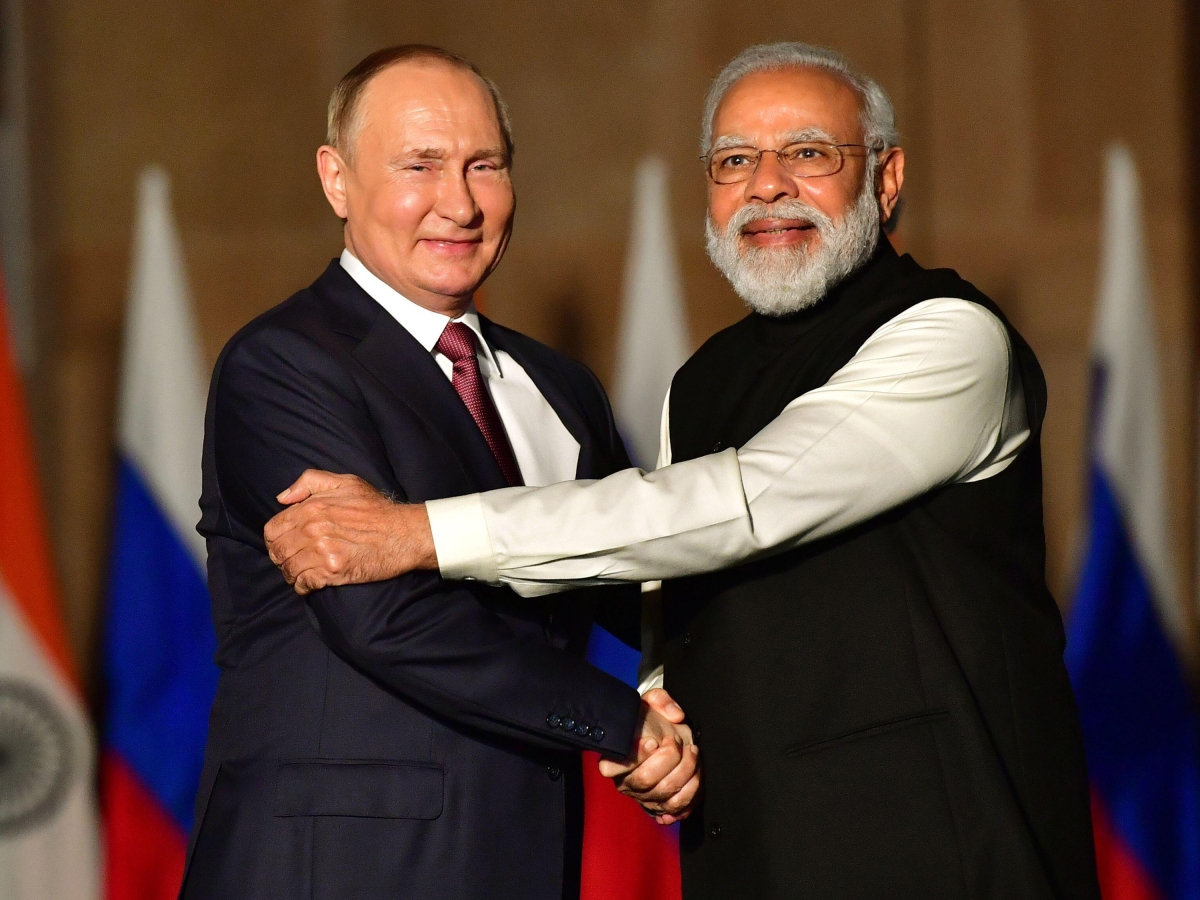
Diplomatic handshakes in international politics rarely mean what they project to the public. When Xi Jinping publicly thanked Narendra Modi for hosting a high-stakes summit and framed it as a clarion call for the Global South, international observers immediately reached for tired tropes about a unified anti-Western coalition. That reading is lazy. It ignores the friction, the deep-seated strategic distrust, and the calculated pragmatism that actually define relations between Beijing and New Delhi.
The core premise of the messaging coming out of those high-level meetings centers on reforming global governance institutions that were built in the aftermath of the Second World War. Western-dominated financial bodies like the International Monetary Fund and the World Bank have long been criticized for short-changing developing economies. By positioning BRICS as an alternative institutional anchor, China attempts to cast itself as the champion of the developing world.
Yet, New Delhi views this through a radically different lens. India has no intention of trading Western hegemony for a system where Beijing calls every shot.
To understand why this diplomatic theater matters, we have to look past the official communiques. The Global South represents a massive demographic and economic weight. Nations across Africa, Latin America, and Asia are tired of being collateral damage in monetary policy shifts dictated by Washington or supply chain disruptions caused by great power competition. Both China and India recognize this sentiment, but they want to harness it for entirely divergent ends.
Beijing views the expanded BRICS bloc as a vehicle for counterbalancing American power and securing raw material supply chains for its manufacturing engine. New Delhi sees it as a platform for multi-alignment, ensuring that India remains an independent pole in a fragmented international order rather than a junior partner in a Sinocentric bloc.
This friction manifests clearly at trade negotiation tables. India maintains a massive trade deficit with China, compounded by lingering security anxieties along their disputed Himalayan border. Memories of the 2020 Galwan Valley clash have not faded from the Indian strategic consciousness. While economic pragmatism keeps trade channels open, the national security establishment in New Delhi treats Beijing's multilateral overtures with extreme caution. When Modi engages with Xi on multilateral platforms, he is practicing classic strategic autonomy. He is keeping doors open to multilateral economic opportunities while simultaneously expanding defense ties with Washington, Tokyo, and Canberra through frameworks like the Quad.
The structural flaws within the bloc itself compound these tensions. A currency union or a unified de-dollarization strategy sounds compelling on paper, but it ignores the vast macroeconomic disparities dividing member states. China wants a currency architecture that benefits the yuan. Other members, mindful of sovereignty, recoil at the prospect of replacing one dominant external currency with another. India, in particular, has consistently resisted any institutional mechanism within BRICS that would institutionalize Chinese monetary dominance.
Furthermore, the expansion of the bloc to include energy exporters like Iran, the United Arab Emirates, and Saudi Arabia has changed the internal dynamics. It has turned BRICS into an organization sitting on a formidable share of global oil production. This gives the grouping genuine economic leverage, but it also imports regional rivalries into the tent. Riyadh and Tehran do not suddenly see eye to eye simply because they share a conference room in a BRICS summit.
What the headlines miss is that multilateralism today is transactional. Nations no longer bind themselves to rigid ideological blocs. Instead, they form overlapping coalitions of convenience. India's diplomatic posture is the ultimate expression of this reality. New Delhi can champion the economic grievances of the Global South at a BRICS gathering one day and participate in naval exercises with Western allies the next.
This balancing act is exhausting, but it is necessary. The traditional international architecture is cracking under the weight of debt crises, climate vulnerability, and geopolitical fragmentation. Developing economies need capital, technology, and fair trade rules. If traditional institutions fail to adapt, alternative platforms will step into the vacuum, regardless of how imperfect or heterogeneous those alternatives might be.
The rhetoric of solidarity will continue to dominate summit speeches. Leaders will speak of shared futures, common prosperity, and a multipolar world. Beneath the podium lights, however, the real work is cold calculation. China will continue pushing its vision of a restructured global order with itself at the helm, while India will continue working just as hard to ensure that helm remains empty.


