Last-minute legislative maneuvers rarely happen out in the open. They usually sneak through when people aren't looking.
If you live anywhere near Los Angeles or follow local transit politics, you probably heard about the sudden legislative language targeting planned bike lanes on Forest Lawn Drive. It was a classic quiet insertion into a larger bill. No lengthy public hearings. No careful study by urban planning committees. Just a restrictive rider aimed at halting active transportation infrastructure before the paint even hits the asphalt.
Let's talk about why this fight over Forest Lawn Drive bike lanes matters so much. It exposes a messy truth about how modern cities actually get built.
The Backroom Politics of Urban Streets
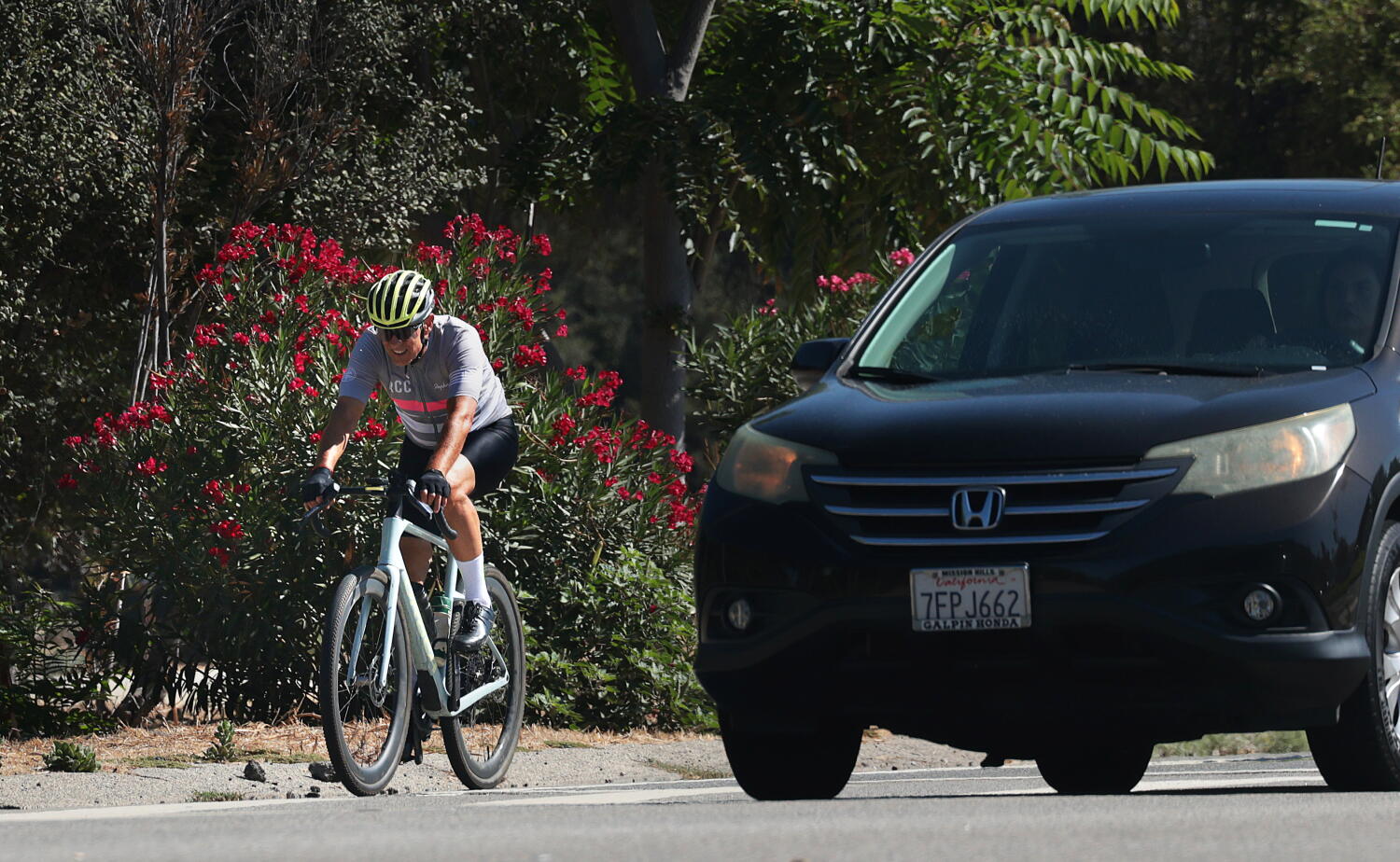
Forest Lawn Drive is a critical corridor. It connects the San Fernando Valley with the Los Angeles River bike path network, Griffith Park, and Studio City. Thousands of drivers use it daily. Cyclists use it too, often risking close passes and hostile traffic because the infrastructure lacks physical separation.
When the city proposed protected bike lanes along this stretch, cyclists and pedestrian safety advocates celebrated. It made sense. It filled a glaring gap in the regional active transportation network.
Then the opposition mobilized behind closed doors.
Instead of fighting the project through standard municipal channels, critics turned to state lawmakers. They tucked specialized language into an unrelated piece of legislation. The goal was simple. Block the bike lanes by bypassing local authority and using state-level intervention.
This isn't just about one stretch of road. It sets a dangerous precedent. When regional projects get hijacked by last-minute state riders, local democracy takes a hit. City planners spend years gathering traffic data, conducting environmental reviews, and listening to community feedback. A stealth rider wipes all that work out in seconds.
Safety Versus Convenience on Forest Lawn Drive
Drivers hate losing lane width. I get it. Commuting in Los Angeles is soul-crushing. Sitting in bumper-to-bumper traffic makes anyone protective of asphalt space.
Critics of the Forest Lawn Drive project argued that narrowing vehicle lanes would worsen traffic congestion and delay emergency response vehicles. It sounds reasonable on the surface. Nobody wants fire trucks stuck behind bicycles.
Except the data tells a different story.
Protected bike lanes don't just help people on bikes. They calm traffic. They force drivers to pay attention. They reduce the severe injuries and fatalities that plague LA streets year after year. According to Vision Zero LA initiatives, complete streets design consistently improves safety outcomes for everyone sharing the right-of-way, including pedestrians and motorists.
When politicians cave to short-term frustration over morning commutes, they trade human lives for a few saved seconds of drive time. That trade-off is unacceptable.
How to Push Back Against Backroom Transit Cuts
If you care about safe streets, you can't afford to stay passive. These stealth legislative tactics only work when nobody is watching.
You need to track local transit proposals closely. Don't rely on major headlines alone, because local blogs and advocacy groups usually catch these riders first.
Reach out to your elected officials directly. Call your city council member. Write to your state representatives. Tell them you support complete streets initiatives and oppose using last-minute state bills to override local planning decisions.
Attend community council meetings. Speak up during public comment periods. When politicians hear from actual residents who support active transit, they feel emboldened to push back against special interests and behind-the-scenes riders.
The fight over Forest Lawn Drive isn't over yet. Keep the pressure on local leaders, demand transparency in transportation policy, and refuse to let vital safety infrastructure get traded away in the dark.