The High Cost of Extreme Weather
When a brutal storm knocks out power for hundreds of thousands of homes, the immediate reaction from politicians is almost always the same. They express outrage, demand answers, and promise that the utility companies will pay for leaving families in the dark for days on end.
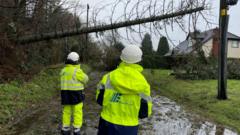
Economy Minister Dr Caoimhe Archibald made headlines when she announced plans to bring forward new legislation compelling electricity providers to compensate customers affected by prolonged weather-related blackouts. The proposal comes on the heels of major severe weather events like Storm Éowyn, which cut off power to over 285,000 homes and businesses across Northern Ireland, leaving residents without heat, light, or refrigeration for an extended stretch.
Under current rules, electricity networks enjoy a severe weather exemption that shields them from paying standard breach-of-service penalties during catastrophic natural events. Removing that safety net sounds like an easy win for consumer rights. But when you look past the headlines, forcing automated payouts during massive storms is a double-edged sword that could easily wind up hurting the very people it aims to protect.
The Regulatory Friction Nobody Mentions
What makes the Minister's policy push so striking isn't just the change itself—it's who she is ignoring to make it happen.
The independent Utility Regulator recently wrapped up a formal review of Electricity Guaranteed Standards of Service regulations. Their expert advice? Don't remove the severe weather exemption.
The regulator warned that penalizing power companies every time hurricane-force winds snap high-voltage lines creates an enormous financial liability. Utility companies don't operate on magical infinite reserves of cash. When you mandate multi-million-pound compensation packages after a record-breaking storm, that money has to come from somewhere.
If shareholder payouts aren't strictly capped or legally required to absorb those costs, power companies will simply push those line items back onto the public through higher network charges and policy fees on future energy bills.
+-------------------------------------------------------------+
|               THE STORM COMPENSATION DILEMMA                |
+-------------------------------------------------------------+
|                                                             |
|   POLITICAL GOAL                   REGULATORY REALITY       |
|   --------------                   ------------------       |
|   • Mandate automatic payouts      • Creates massive financial|
|     for blackout victims.            liabilities for grid ops.|
|   • Eliminate severe weather       • Risks diverting capital |
|     exemptions for network operators. away from grid repairs.|
|                                    • Payouts often socialized |
|                                      via higher consumer bills.|
|                                                             |
+-------------------------------------------------------------+
Resilience vs Compensation
Money spent paying people back after their power goes out is money that cannot be spent stopping the power from going out in the first place. That's the fundamental tradeoff at play.
The electricity grid isn't failing because network operators are being lazy during emergencies. Line crews work insane overtime hours in dangerous conditions to haul down trees and splice crushed cables together after heavy weather strikes. The real problem is aging infrastructure colliding with increasingly unpredictable climate patterns.
NIE Networks and similar grid operators spend hundreds of millions upgrading physical assets—trimming back overgrown tree canopies, burying vulnerable overhead cables underground, and installing smart automated switches to isolate localized damage.
If a regulator forces a grid owner to hold tens of millions in reserve solely to pay out storm claims, that capital is tied up doing nothing. It isn't upgrading transformer substations or rebuilding flood-prone circuits. In short, prioritizing retroactive compensation can actively undermine long-term grid resilience.
Who Actually Pays the Bill?
This is where the fine print gets messy.
- Socialized Costs: If the government doesn't explicitly restrict how compensation is funded, utility firms treat these penalties as standard operating overhead. The cost gets spread out evenly across every ratepayer's monthly invoice.
- Rate Shock: Consumers might get a £50 or £100 check in the mail after sitting in the dark for three days, only to see their base electricity tariffs rise by £15 a month to cover the grid owner's new legal liability insurance.
- Delayed Grid Upgrades: If money shifts toward claims management and emergency payout reserves, capital expenditure budgets for modernizing rural power grids get slashed.
Looking Beyond Quick Fixes
Protecting households during severe winter freezes and summer windstorms shouldn't rely on political soundbites or post-disaster handouts. True energy security requires a completely different approach to how we handle power resilience.
Instead of creating a system that trades cash checks for dark living rooms, energy policy needs to tackle root causes. That means accelerating capital investments into hard grid infrastructure while establishing clear, sensible exemptions for genuine force majeure disasters. It also means helping households build local resilience—supporting home battery backups, solar integrations, and community microgrids—so that when the main lines fall, vulnerable families aren't left stranded in the freezing cold.
If the upcoming legislation forces utility shareholders to bear the full cost of outage payouts without passing a single penny to consumers, it might offer genuine accountability. But if it ends up being another policy fee hidden in the fine print of our quarterly energy statements, consumers will end up paying for their own storm compensation.
Keep a close eye on your local energy regulator's public consultation filings over the coming months. Pay attention to clauses regarding "pass-through costs" and "network charge adjustments"—because that is where you will spot whether this law actually protects your wallet or just shifts the burden right back onto your doorstep.


