Finding only dead beetles doesn't always mean a population has vanished. Sometimes it just means you're looking at the wrong life stage at the wrong time of year.
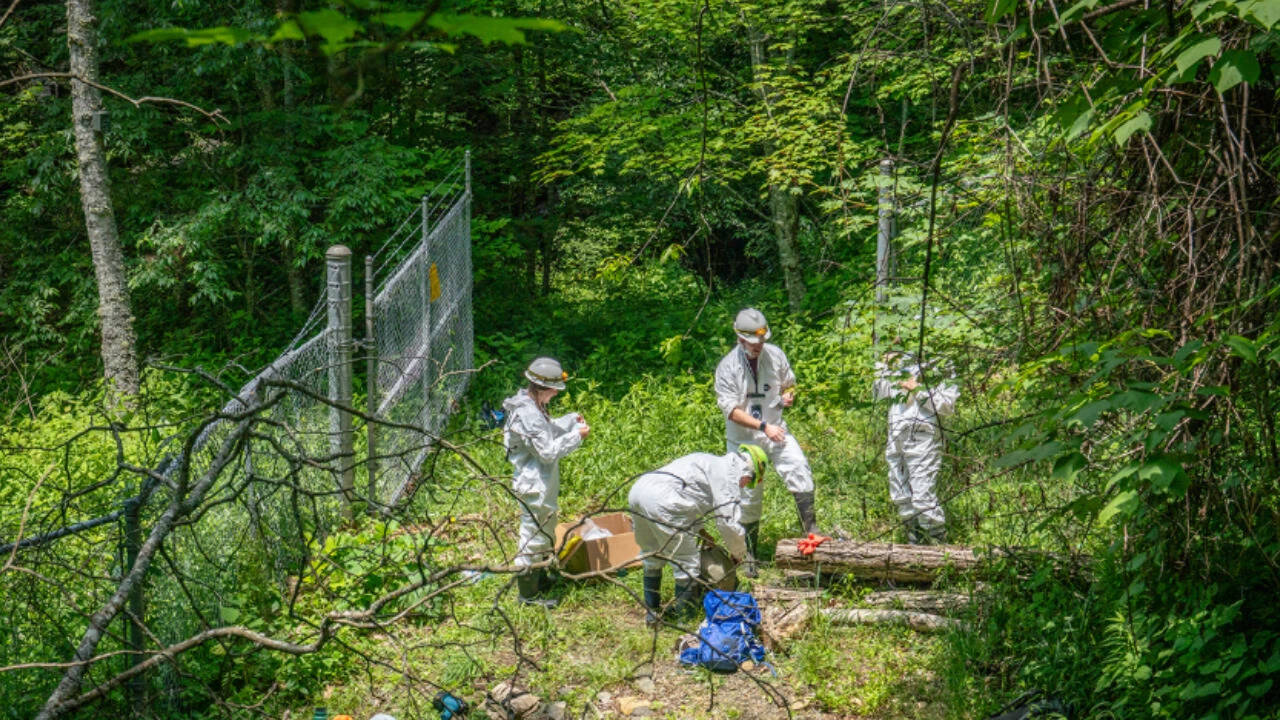
When field teams checked sites in 2022 and 2025 and came up with nothing but dead oil beetles, the signal looked grim. Empty surveys usually point toward steep declines, local extinctions, or habitat breakdown. Then volunteers spotted oil beetle larvae. That shift flips the story on its head. Adults get the headlines because they're big, dark, and hard to miss, yet a population lives most of its life out of sight.
I've spent plenty of time watching conservation monitors wrestle with rare insects, and honestly, this is one of the easiest traps in field ecology. If your survey window misses peak adult activity or ignores soil and floral microhabitats, you can walk away convinced a species is gone when young stages are quietly carrying it forward. Larvae don't guarantee a booming comeback overnight, though. They tell you reproduction is happening right now, which is a massive distinction from finding a handful of dead bodies on a trail.
Why Dead Oil Beetles Can Mislead Field Surveys
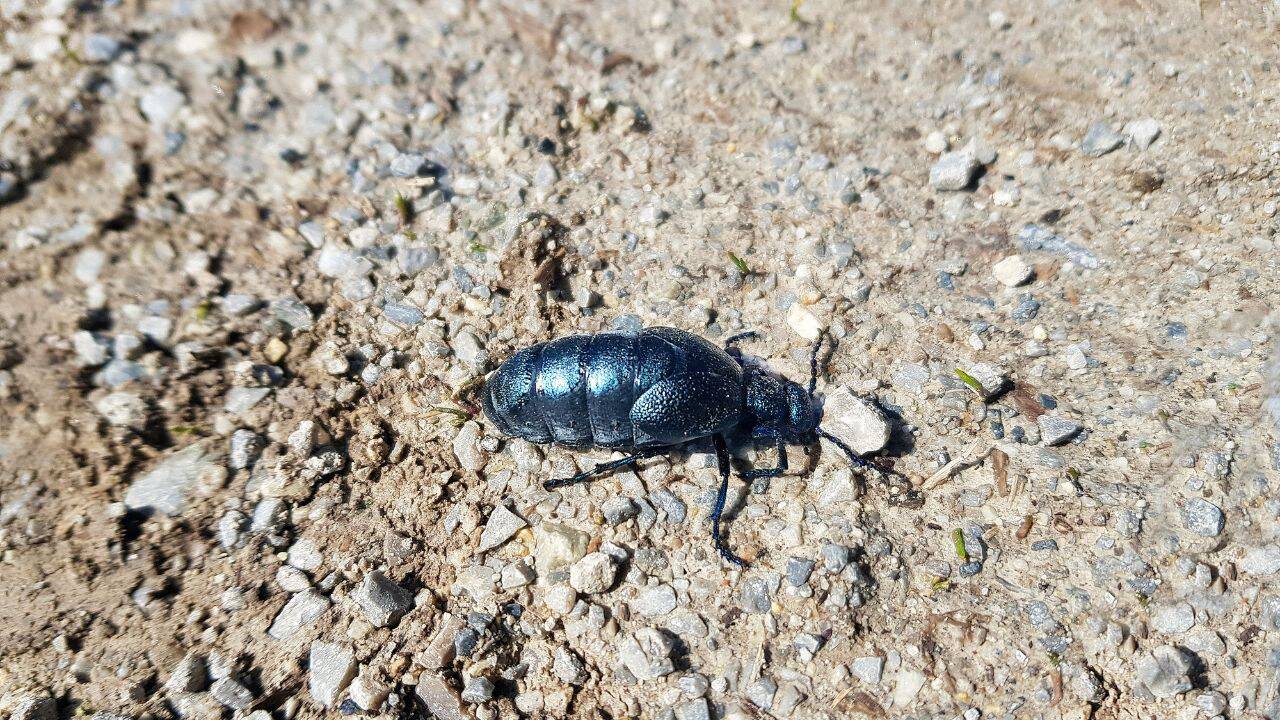
Adult oil beetles in the genus Meloe are built like dark, heavy-bodied tanks with short wing covers and swollen abdomens. Because they're slow-moving and conspicuous when out foraging, volunteers and biologists naturally focus on spotting adults. When you only find carcasses, it's tempting to assume the breeding cycle stalled out.
Adult insects have finite lifespans and heavy exposure to predators, weather swings, pesticides, and road or foot traffic. Finding dead adults in two survey years—like 2022 and 2025—raises real questions about survival rates and habitat quality. Still, mortality at the adult stage isn't the same thing as zero recruitment. A few dead adults on the ground can coexist with healthy eggs or larvae tucked away where casual walkers never look.
Timing plays a huge role here. Adult emergence windows shift with spring temperatures, rainfall, and local microclimates. If a survey happens a couple of weeks too early or too late, you catch stragglers and remains instead of active mates. Volunteers often cover wide areas quickly, which helps map presence over large ground, yet speed can miss tiny, cryptic stages unless surveyors know what cues to watch for.
How Oil Beetle Larvae Actually Live and Move
Oil beetle larvae aren't cute little grubs chewing peacefully on a leaf. They're hypermetamorphic, meaning their body plan and lifestyle change dramatically as they grow, and their first stage—the triungulin—is built for hitchhiking.
Newly hatched triungulins climb onto flowers and wait. When a foraging bee or other suitable host visits, the larva grabs on. From there, it gets a free ride back to the host's nest or food provisions, where it feeds on pollen, nectar, or immature bee brood depending on the species. That's a high-stakes strategy. Most hitchhikers never find the right ride or survive the journey, which is why females lay huge numbers of eggs.
Because larvae rely so closely on wild bees and flowering plants, finding larvae tells you more than a dead beetle ever could. It suggests at least part of a complex ecological chain is still functioning on the ground. No host bees or nectar sources, no successful larval pipeline.
The Hitchhiking Gamble That Shapes Everything
Think about how fragile that connection is. If mowing happens right before peak bloom, or if drought knocks back early flowers and solitary bees, triungulins lose their launchpad. Even when a few adult beetles manage to survive into spring, poor floral timing can choke off the next generation before it gets started.
That's why I get skeptical when people treat a single count of adult beetles as a complete health report. A patch of land can look quiet to the naked eye while tiny larvae are working through a specialized life cycle underneath. Conversely, seeing a few adults doesn't automatically mean the population is secure if recruitment keeps failing year after year.
Dead Adults Versus Live Larvae in Conservation Data
Comparing survey outcomes isn't just a matter of counting bugs; it's about reading what each observation actually proves.
- Dead adults confirm the species was present at some point and suffered mortality, yet they don't prove ongoing breeding success or show whether young stages are surviving.
- Live larvae confirm active reproduction and at least partial habitat function, though they still don't guarantee that enough individuals will reach adulthood to keep numbers stable.
- Zero sightings often reflect survey timing, weather, or search methods rather than true absence, especially for patchy or seasonal insects.
Conservation agencies and researchers—including groups like Buglife and academic entomology programs—repeatedly emphasize multi-stage monitoring and standardized timing when tracking declining beetles and pollinators. Single-snapshot counts have clear limits when species have complex life cycles.
At the same time, we shouldn't swing too far in the other direction and treat larvae as a cure-all. A single larval find is a clue, not a guarantee of long-term recovery. Weather extremes, habitat fragmentation, and ongoing land management still matter deeply. Good science holds both ideas in mind at once: don't write off a site too fast, and don't celebrate too early either.
What Volunteers and Land Managers Often Miss
When volunteers step up to survey rare beetles, enthusiasm is usually high and guidance can be uneven. That's where small mistakes skew data.
- Checking the wrong spot: Looking only along open paths or bare soil misses flowers where triungulins wait and undisturbed ground where nesting bees and larvae develop.
- Ignoring weather context: Cold, windy, or overly dry days suppress insect activity and make surveys look sparser than the underlying population actually is.
- Treating one year as a trend: Comparing two scattered years like 2022 and 2025 without consistent effort in between leaves big blind spots.
- Overlooking floral diversity: Oil beetles don't exist in a vacuum; patchy wildflowers and bee nesting habitat set the ceiling for larval success.
I've seen well-meaning surveys get over-interpreted simply because nobody recorded search effort or exact dates. If you spend two hours looking in cool weather on a single trail, a low count means something very different from a thorough multi-day search across varied microhabitats.
Practical Next Steps for Better Beetle Monitoring
If you're part of a volunteer group, local conservation project, or land-management effort tracking oil beetles, small adjustments make your findings far more useful.
- Log exact effort and conditions: Record start and end times, route or plot boundaries, temperature, cloud cover, and wind so future reviewers know how hard you looked.
- Watch flowers alongside ground: Scan blooming plants for tiny active larvae as well as checking soil edges and verge margins where adults and hosts cross paths.
- Avoid disturbing or moving specimens: Take clear photos with a scale reference when possible, leave habitats intact, and follow local permit or biosecurity rules before collecting anything.
- Share structured records: Submit verified sightings with accurate GPS coordinates and date ranges to established recording schemes or local biodiversity databases so researchers can spot patterns across years.
Finding larvae after years of dead-beetle surveys is a reminder to stay curious and keep looking closer. Keep your notes sharp, respect the habitat, and let the full life cycle tell the story.