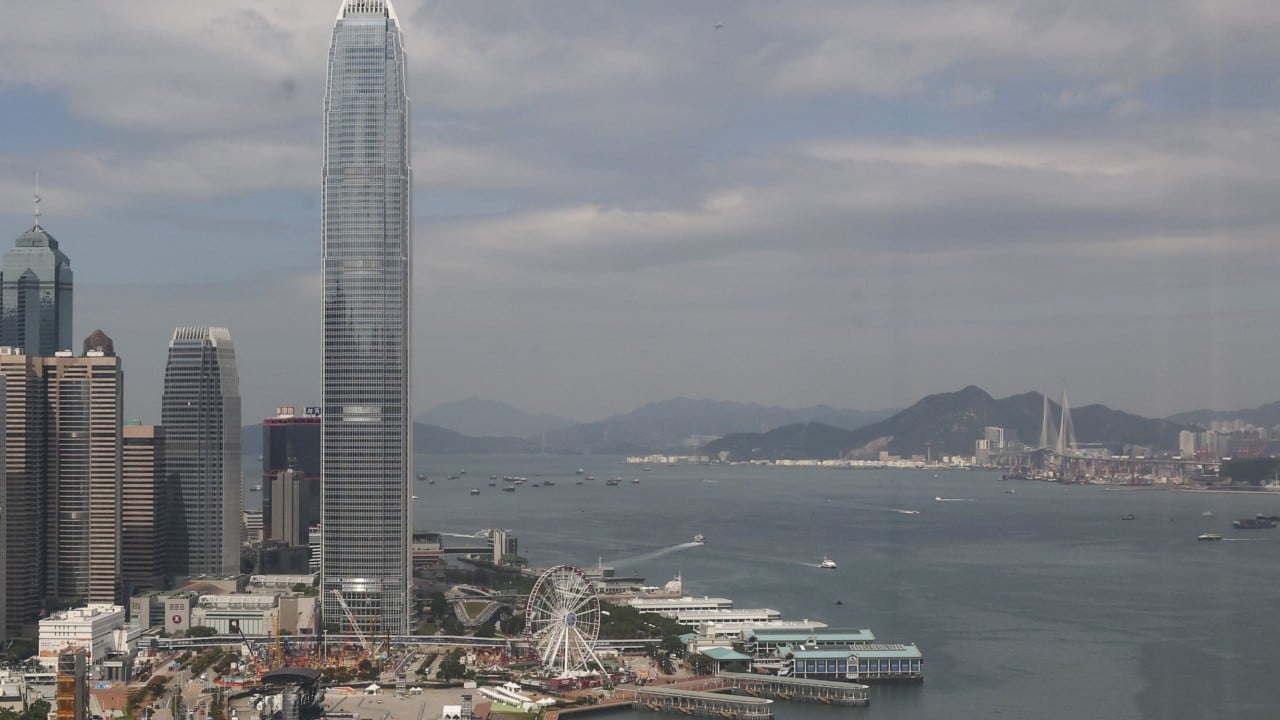
The physical expansion of B2B fintech infrastructure is a lagging indicator of institutional capital migration. When iCapital, an alternative investment marketplace, increased its physical office footprint in Hong Kong by 100 percent, the expansion was treated by general media as a simple reaction to a localized wealth boom. This view misinterprets the operational mechanics of financial technology platforms. Physical capacity expansion in prime financial districts like Central, Hong Kong, serves a specific operational function: it scales the localized human middleware required to clear structural distribution bottlenecks between global asset managers and private wealth distributors.
To understand this expansion, one must look at the structural mechanics of alternative asset distribution, the unit economics of localized platform deployment, and the shifting regulatory architecture governing regional wealth management.
The Two-Sided Market Friction in Private Assets
The distribution of alternative investments—predominantly private equity, private credit, venture capital, and hedge funds—is fundamentally constrained by friction on both sides of the market.
Historically, institutional asset managers built their fundraising operations around large, single-ticket commitments from pensions, endowments, and sovereign wealth funds. The administrative architecture of a private placement relies on complex, manual processes: capital calls, subscription documents, custom reporting, and non-standardized valuation cadences.
When applied to the private wealth channel, which comprises high-net-worth (HNW) and ultra-high-net-worth (UHNW) individuals, this operational architecture breaks down due to the fragmentation of capital. A $100 million institutional commitment requires a single onboarding pipeline. The equivalent volume from the wealth channel requires hundreds of individual access points, creating an exponential increase in administrative overhead.
Institutional Channel:
[Global Asset Manager] ---------> ($100M Single Ticket) ---------> [Sovereign Fund / Pension]

Private Wealth Channel Bottleneck:
                                   /---> ($500K Ticket) ---> [HNW Investor A]
[Global Asset Manager] --(Manual)--+---> ($1M Ticket) ------> [HNW Investor B]
                                   \---> ($250K Ticket) ---> [HNW Investor C]
Fintech marketplaces resolve this fragmentation by functioning as an intermediary layer. They aggregate smaller private wealth commitments into specialized feeder funds, presenting a single institutional-sized ticket to the underlying asset manager.
However, integrating this platform architecture into local ecosystems requires deep, manual enterprise integrations with private banks, regional wealth managers, and family offices. iCapital’s decision to double its office space reflects the hiring of enterprise sales teams, integration engineers, and client-facing specialists necessary to execute these high-touch system links.
The Wealth Aggregation Velocity Matrix in Hong Kong
The expansion is directly tied to the accelerating velocity of structural capital aggregation within the Hong Kong financial ecosystem. This growth is driven by three distinct mechanisms:
1. Intergenerational Wealth Transfer Efficiency
Private wealth in the Asia-Pacific region is undergoing its first major intergenerational transition. Approximately 40 percent of single-family offices in Hong Kong now feature second- or third-generation family members in active leadership positions. This demographic pivot directly changes asset allocation preferences.
While first-generation wealth creators typically concentrated capital in core operating businesses or traditional real estate, successor generations systematically reallocate toward institutional-grade alternative assets, seeking global diversification and systematic risk premiums.
2. Institutional Target Allocations
The private wealth sector has historically been under-allocated to alternative assets relative to institutional peers. The historical average allocation to private markets within the wealth management channel sits at approximately 3 percent. Current mandates across major regional wealth managers target an optimization shift toward 10 to 20 percent.
The gap between a 3 percent historical allocation and a 15 percent target allocation across Hong Kong’s multi-trillion-dollar wealth pool represents a massive volume expansion that legacy manual distribution cannot process.
Private Wealth Channel Asset Allocation Shift:
[ Historical: 3% Alts ] ===> Target Migration Opportunity ===> [ Optimized: 10% - 20% Alts ]
3. Policy-Driven Ecosystem Density
The physical concentration of allocators in Hong Kong has reached critical mass, driven by specific state interventions. Policy initiatives—including tailored tax concessions for family offices, the New Capital Investment Entrant Scheme, and targeted regulatory frameworks—accelerated the setup of single-family offices.
By the close of recent audit cycles, the number of single-family offices operating within Hong Kong surpassed 3,300. This density creates an efficient geographical hub for platform deployment, allowing localized sales forces to interface with multiple large-scale allocators within a single square mile.
The Enterprise Integration Bottleneck
The scaling of a financial technology platform in the wealth sector differs fundamentally from pure-play SaaS deployment. A B2B alternative asset platform cannot grow by simply acquiring digital users; it must build deep infrastructure partnerships with established private banking institutions.
A clear example of this dynamic is iCapital's integration into major regional networks like HSBC Private Banking across Hong Kong and Singapore. This integration strategy addresses a multi-tiered bottleneck:
- The Compliance Layer: Alternative investments face strict regulatory compliance, investor classification hurdles, and anti-money laundering (AML) protocols. A platform must embed these localized compliance checks directly into the digital onboarding workflow of the distributing bank.
- The Operational Layer: Private bank relationship managers will not utilize secondary, disconnected software systems to buy alternative assets. The platform’s feeder fund technology must link directly via APIs into the core banking systems, portfolio construction tools, and statement-generation engines of the distributor.
- The Distribution Layer: Even with functional technology, relationship managers require localized training, product education, and structural support to comfortably transition client capital out of public equities and fixed income into illiquid private assets.
This multi-tiered requirement explains why physical real estate expansion correlates directly with platform volume growth. The technological product handles transaction processing, but asset growth requires an enterprise software sales and client management force to navigate the multi-year procurement and integration cycles of global private banks.
The Dual-Hub Geopolitical Reality
The simultaneous scaling of footprint and personnel across Hong Kong and Singapore points to a dual-hub framework for alternative asset distribution in Asia. Rather than a zero-sum competition between the two jurisdictions, institutional platforms view them as complementary capital capture nodes.
Hong Kong operates as the primary gateway for Greater China and North Asian wealth. The city’s capital markets are structurally bound to the Chinese mainland through established financial connection channels, making it the natural aggregation point for family offices and institutional capital pools originating from the mainland.
Conversely, Singapore acts as the primary conduit for Southeast Asian wealth networks, South Asian capital, and global entities seeking a localized base in the ASEAN region.
By doubling capacity in Hong Kong while scaling operations in Singapore and establishing footprints in peripheral markets like Tokyo and Australia, market participants build a unified regional network. This distributed framework allows a global private bank to utilize a standardized alternative investment architecture across its entire Asia-Pacific footprint, ensuring compliance with varying local regulatory regimes while maintaining a unified back-end operational pipeline.
Strategic Realities and Limitations of Platform Scale
While the structural tailwinds for alternative investment platforms are significant, this scaling strategy faces distinct operational and market limitations:
- Platform Duplication and Fragmentation: The B2B alternative investments space is not a winner-take-all monopoly. Competitors like CAIS and Moonfare actively challenge for market share. Private banks are hesitant to lock themselves into a single proprietary marketplace, often integrating multiple platforms to maintain negotiating leverage and product diversity. This creates execution risks and compresses the fees platforms can charge.
- Macroeconomic and Liquidity Regimes: Alternative investments, particularly private equity and venture capital, are highly sensitive to global interest rate cycles and liquidity regimes. A prolonged slowdown in realizations or a down-cycle in private asset valuations directly reduces investor appetite within the wealth channel. If transaction volumes drop, platforms facing high fixed costs from premium real estate and expanded headcounts can experience rapid margin compression.
- Talent Scarcity: Scaling a localized enterprise fintech operation requires professionals who possess a rare combination of private market product expertise, enterprise software sales capability, and local regulatory fluency. The fierce competition for this specific talent pool in Hong Kong routinely drives up compensation costs, altering the projected unit economics of office expansions.
The expansion of physical footprints by alternative investment marketplaces is a structural response to an enterprise distribution challenge. By embedding physical teams in the immediate geographic vicinity of major private banks and family offices, technology platforms are positioning themselves to capture the structural transition from public to private markets. The long-term success of this capital deployment will depend on the speed at which these platforms convert physical presence into deeply embedded, programmatic software integrations across regional wealth networks.


