The Museum Trap
NGOs and cultural preservationists are lying to you about traditional crafts.
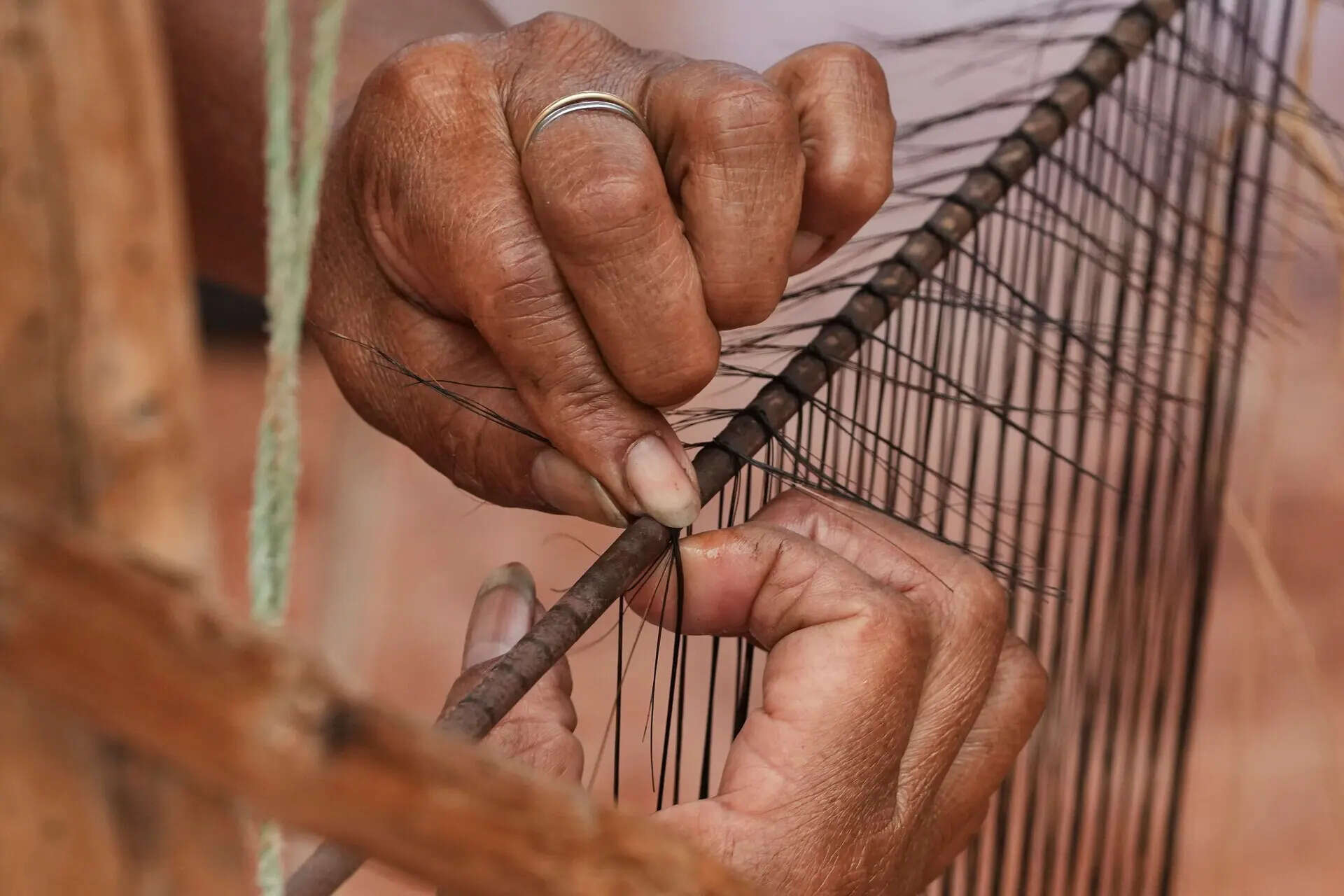
Every year, a familiar narrative circulates through travel magazines and global development forums. It usually features a handful of aging artisans in a remote region—in this case, the horsehair weavers of Ecuador—laboring over an incredibly tedious, centuries-old tool like a horsehair strainer. The tone is always elegiac. "We must save this dying art," they claim. "It is a vital link to our past."
This is romantic nonsense. It treats living human beings as museum exhibits.
The push to preserve the Ecuadorian horsehair strainer in its exact, historical form is not a rescue mission. It is an economic stranglehold. By insisting that these artisans continue using primitive techniques to create low-margin utilitarian items, Western consumers and cultural elites are subsidizing poverty under the guise of heritage.
We need to stop romanticizing the grind of survival. The goal should not be preserving the tool; it should be liberating the talent.
The Economics of the Horsehair Strainer
Let us analyze the actual mechanics of this craft. Weaving a traditional strainer out of horsehair and agave fibers requires days of meticulous labor. The raw material must be sourced, sorted, cleaned, and woven by hand using a skill set that takes years to master.
When that strainer is finished, what is its market value?
+---------------------------+---------------------------+
| Traditional Utility Model | The Modern Reality       |
+---------------------------+---------------------------+
| Labor Time: 12-18 Hours   | Market Competition: Nylon |
| Retail Price: $5 - $15    | Target Audience: Tourists |
+---------------------------+---------------------------+
In a local Ecuadorian market, a plastic or stainless steel mesh strainer costs less than two dollars. It is more durable, easier to clean, and meets modern sanitary standards. No rational local consumer is buying a horsehair strainer to sift their flour or strain their juice.
Therefore, the preservationist argument relies entirely on the tourist and collector market. But that market is fickle, tiny, and inherently exploitative. It demands that the artisan remain "authentic"—which is code for poor, technologically backward, and geographically isolated. The moment an artisan uses a modern loom or a synthetic thread to speed up production, the Western collector cries foul. The "magic" is gone.
I have spent years analyzing supply chains and micro-economies in developing markets. I have seen well-meaning nonprofits pour hundreds of thousands of dollars into grants to "foster" (a word they love, and I despise) these dead-end crafts. The result? The day the grant money dries up, the youth of the village leave for Quito or New York anyway. Why? Because you cannot pay rent with cultural purity.
Dismantling the People Also Ask Mythos
If you look up traditional Ecuadorian crafts, the internet serves up a predictable list of questions. The answers provided by mainstream travel blogs are universally flawed because they ask the wrong questions entirely.
Why are traditional weaving techniques dying out?
The standard answer is globalization and cheap plastic. The real answer is much simpler: The youth have better options. To force a twenty-year-old in Azuay or Chimborazo to spend fifteen hours weaving a kitchen utensil for pennies is not preservation; it is economic coercion. The craft is dying because it fails the basic test of economic viability. If a skill cannot provide a middle-class income, it deserves to evolve or become a hobby, not a mandated vocation.
How can we save indigenous artisan heritages?
The mainstream consensus screams for subsidies, fair-trade labels, and tourism campaigns.
This is a band-aid on a bullet wound. Subsidies mask the lack of market demand. The only way to save the skills of these artisans is to pivot them away from the objects they currently make. The horsehair strainer is a dead product. The micro-weaving technique, however, is an extraordinary, high-value skill that could be applied to luxury fashion, high-end interior design, or industrial textiles.
The Pivot to High-Margin Luxury
If we want to see these communities thrive, we must destroy the idea that preservation means stagnation. We need to look at what Italy did with its textile artisans or what Japan does with its traditional swordsmiths and denim weavers. They did not keep making 14th-century peasant gear. They adapted their specialized knowledge to command premium global prices.
Imagine a scenario where an Ecuadorian horsehair weaver stops making fifteen-dollar kitchen strainers. Instead, they collaborate with a high-end fashion house in Milan or New York. The incredibly fine, resilient properties of horsehair are utilized to create structured, avant-garde elements in haute couture garments, or woven into bespoke wall coverings for luxury hotels selling at five hundred dollars a square yard.
[Traditional Strainer: $15] ---> [Bespoke Luxury Textile Component: $750]
This shift requires two massive changes that preservationists hate:
- Technological Integration: Allowing artisans to use modern preparation tools, mechanized spinning, or hybrid synthetic blenders to increase output and structural integrity.
- Design Intervention: Moving away from traditional geometric folk patterns toward contemporary aesthetics that appeal to buyers with real capital.
The downside to this approach? It offends the sensibilities of the Western tourist who wants to take a photo of an old woman in traditional dress doing things exactly as her great-grandmother did. It forces us to accept that cultures change, adapt, and commodify themselves to survive. It is a messy, capitalist reality. But it beats watchfully waiting for a community to starve out of existence for the sake of an Instagram aesthetic.
Kill the Sentimentality
Stop buying products out of pity. The "fair-trade" pity-purchase is the ultimate insult to a master craftsman. It implies that the item cannot stand on its own merits, so you are throwing them a bone to feel better about your own privilege.
The horsehair strainer had a magnificent run. For centuries, it was an ingenious solution to a daily household need, utilizing the materials at hand with stunning ingenuity. But the kitchen has moved on.
We must allow the artisans to move on too.
The next time you see an article bemoaning the loss of a primitive craft, don't mourn. Demand that the people holding those skills be given the tools, the market access, and the creative freedom to build something that actually pays a living wage. Anything less is just sentimental colonialism.