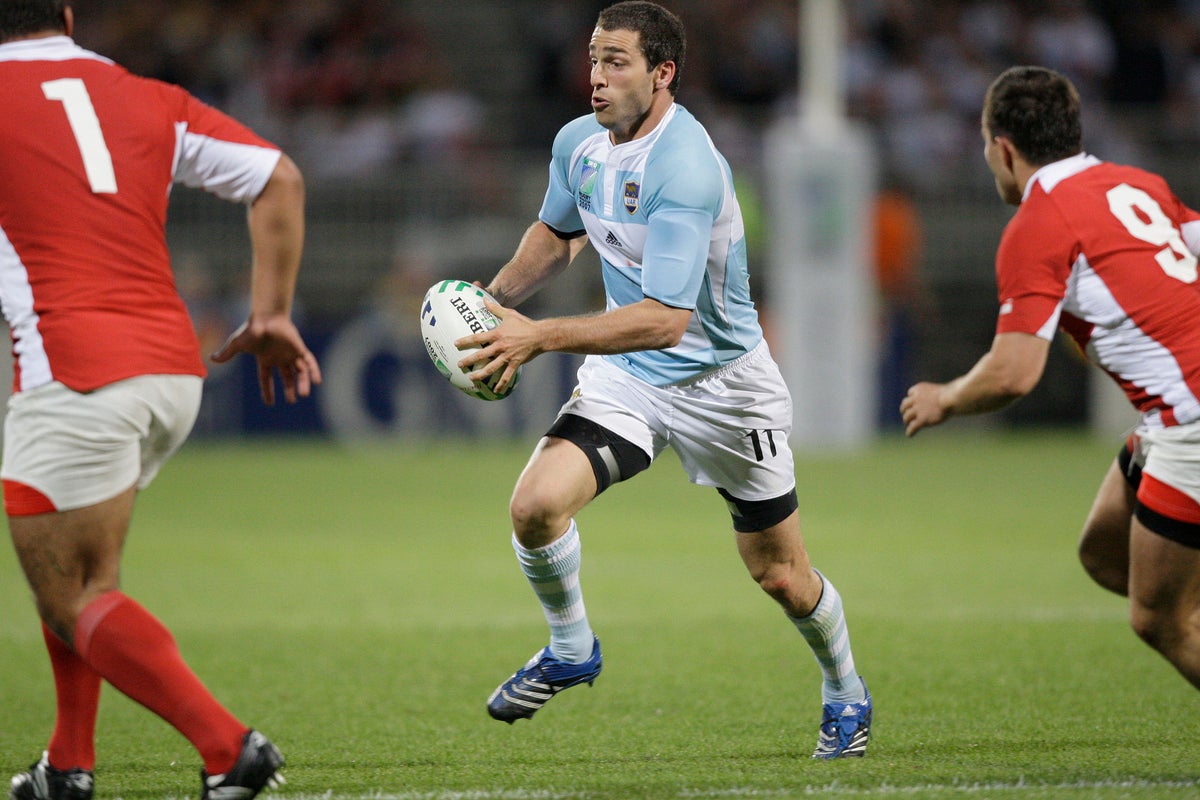
Four years after a bullet ended the life of former Argentina rugby star Federico Martín Aramburú on a Paris street, a courtroom in the French capital is finally reckoning with the tragedy. The trial opened on September 7, 2026, dragging a brutal street killing back into the public eye. It is a case that shook the international rugby community and exposed the violent underbelly of far-right extremism in France.
If you've followed the headlines, you know the basic timeline. Yet the deeper context behind what happened outside a Paris café reveals a chilling look at impunity, radical politics, and a fatal escalation that cut short a father of three's life at age 42. Let's break down what's actually happening in the courtroom, who is on trial, and why this case matters far beyond sports.
What Triggered the Fatal Shooting
The night started like many others in Paris. On March 19, 2022, Aramburú was in town with his close friend and fellow former rugby international Shaun Hegarty. They were in the French capital to attend the Six Nations match between France and England at the Stade de France.
In the early morning hours, the pair stopped for a drink at Le Mabillon, a popular bar in the city's Latin Quarter. Sitting nearby were Loïk Le Priol and Romain Bouvier, two figures tied to radical ultra-right activist circles and the violent former student group GUD.
According to witness accounts and investigative reports, an altercation erupted after a confrontation involving a third party. Words were exchanged. Tempers flared. Security staff intervened and broke up the initial brawl, forcing the groups to separate.
Most people would walk away. Le Priol and Bouvier did not. Fuelled by rage and a desire to retaliate, they tracked the retired athletes down on the street. Surveillance footage later pieced together a terrifying sequence: a Jeep tracked Aramburú and Hegarty as they walked toward their hotel. Bouvier opened fire first. Then Le Priol rushed forward, pumping bullets into Aramburú's back. The former Pumas winger collapsed into his friend's arms and died at the scene.
The Defendants Facing the Court
Three primary defendants stand in the dock for the scheduled three-week proceedings, alongside a fourth facing lesser charges. The court is scheduled to deliver its verdict on September 25.
- Loïk Le Priol: Charged with murder. A former French navy commando who served in overseas combat zones, Le Priol has a history of violent offenses linked to extremist groups. He fled toward Ukraine after the shooting before being captured at the border by Hungarian authorities. In court, he claims his actions were a "pure reflex" and that he wasn't mentally present.
- Romain Bouvier: Charged with attempted murder. Also tied to radical nationalist movements, Bouvier faces accusations of initiating the gunfire from the vehicle before Le Priol delivered the fatal shots.
- Lyson Rochemir: Le Priol's partner at the time, facing charges of complicity in attempted murder for driving the vehicle used to hunt down the victims.
- An unnamed fourth defendant: Accused of helping conceal evidence and aiding escape routes, facing up to three years behind bars.
Both main shooters face up to life imprisonment if convicted.
Why This Trial Grips the Public
This isn't just another street crime story. For many observers in France and Argentina, the case highlights the persistent threat of violent radicalization. Aramburú was a beloved figure who earned 22 caps for Argentina and played professionally for clubs like Biarritz and Perpignan. After hanging up his boots, he settled in the French Basque Country, building a quiet life with his wife and three children.
His brutal murder sparked widespread outrage across the rugby world, prompting tributes from players and fans who remembered him as a fierce competitor on the pitch and a gentleman off it.
Defense attorneys are pushing the angle that the tragedy lacked premeditated intent, claiming chaos rather than a cold-blooded execution. Prosecutors disagree, pointing to the chilling mechanics of the pursuit, the acquisition of targets, and the sheer volume of gunfire deployed against unarmed men.
As proceedings unfold through September, the judges face the heavy task of untangling political extremism, personal accountability, and raw violence. The legal system is moving forward, but for Aramburú’s family and friends, the trial simply marks another painful milestone in a grief that won't easily fade.


