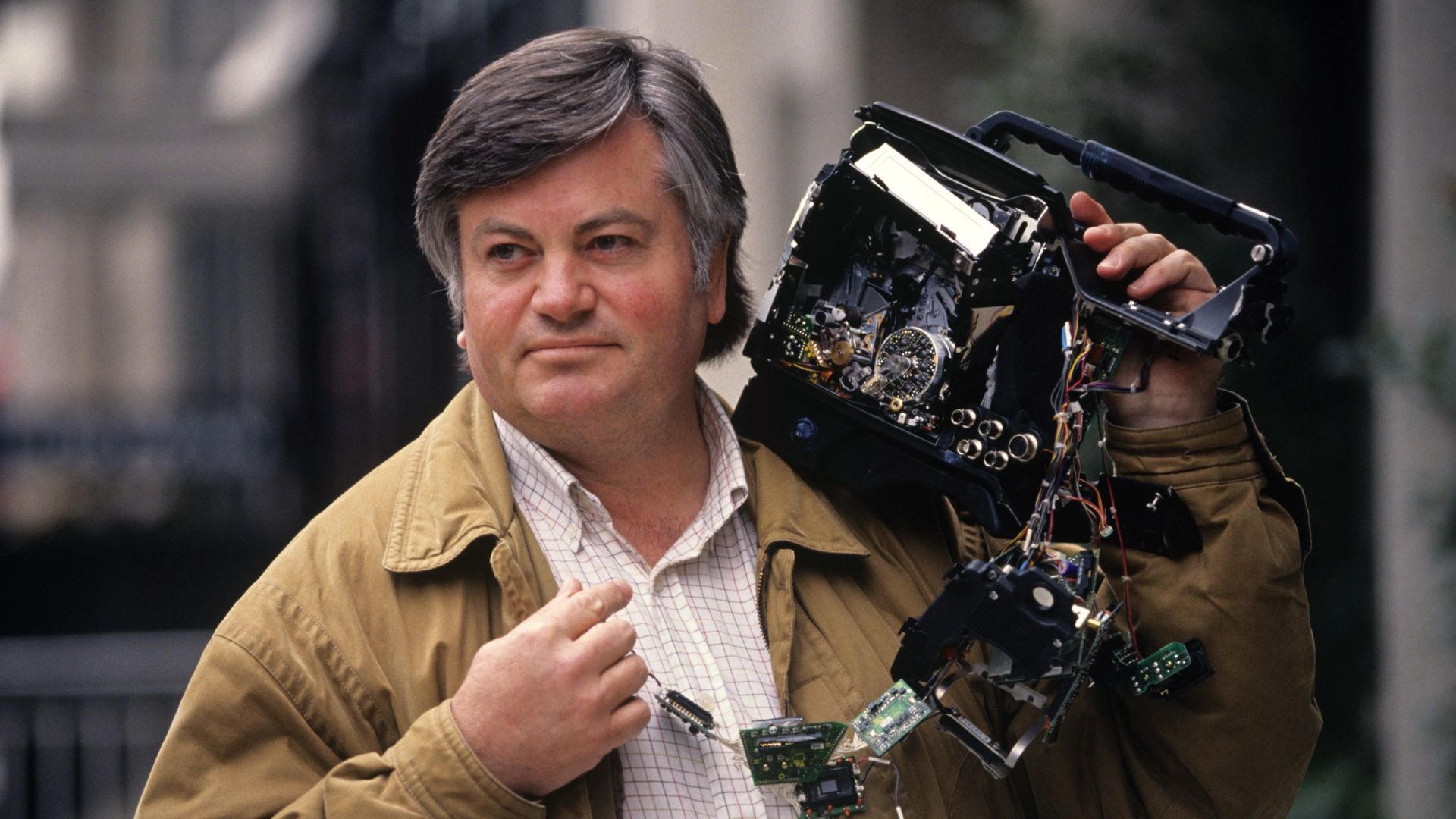
The media is in full, synchronized mourning mode over the passing of Roger Cook at 83. The headlines are entirely predictable: "trailblazing," "fearless," "pioneering." The mainstream news machine is doing what it always does when a titan of the old guard dies—wringing its hands, printing sterile corporate statements from ITV, and pretending that Cook’s brand of doorstep journalism was the gold standard of public service.
It wasn't. It was the birth of tabloid theater masquerading as accountability.
The lazy consensus across the media right now is that The Cook Report represents a lost era of pure, gritty investigative reporting that we drastically need to revive. Ten million people used to tune in to watch a large man get his ribs broken by an antique dealer or get threatened by Don Arden. But if you actually analyze the mechanics of what Cook pioneered, he didn't save investigative journalism. He weaponized it for ratings, turned the reporter into the protagonist, and inadvertently laid the track for the shallow, algorithm-driven outrage economy we are stuck with today.
The Doorstep Delusion
The entire premise of the Roger Cook style relies on a visual gimmick: the confrontation. You track a con man, a rogue trader, or a corrupt minor official down an alleyway, thrust a microphone into their face, and watch them scramble into a waiting saloon car.
It makes for electric television. It is terrible investigative practice.
True investigation is a game of leverage, documents, and systemic exposure. When you ambush a target on camera, you are not seeking information; you are seeking a physical reaction. You want the panic. You want the violent shove. The moment the target reacts defensively, the narrative is locked in: they are guilty, and the reporter is the hero.
I have spent over two decades inside newsrooms watching executive producers copy this exact playbook because it is cheap and high-impact. But let's look at the actual utility of this approach. What happens when you build an entire investigative brand around the physical ambush?
- Systemic failures get ignored: You cannot doorstep an institutional loophole. You cannot shove a microphone in the face of a corporate tax architecture. Cook went after baby traders in Brazil and black-market plutonium dealers—sensational, cinematic crimes. But the boring, systemic white-collar fraud that actually devalues the lives of millions cannot be captured in a 30-second chase down a London street.
- The target becomes a cartoon villain: Complex socio-economic issues are reduced to simple good-vs-evil binaries. The structural reasons why human trafficking or illegal immigration networks exist are buried underneath the spectacle of a breathless chase sequence.
- It incentivizes physical escalation: Breaking three ribs while confronting a low-level fraudster is treated by the industry as a badge of honor. In reality, it is a failure of operational security and journalistic strategy. If you need a physical assault to provide the climax of your broadcast, your evidence wasn't strong enough to stand on its own.
The Narcissism of the Hero Reporter
The most damaging legacy of the doorstepping era is the shift in focus from the story to the reporter. The Cook Report was eponymous for a reason. The viewer wasn't tuning in just to learn about the illicit ivory trade; they were tuning in to see what would happen to Roger Cook.
This was the exact inflection point where journalism became a performance art.
When the reporter becomes the central character of an investigation, the incentives instantly warp. The goal is no longer to dismantle a criminal operation or fix a broken policy through rigorous exposure; the goal is to secure the "gotcha" moment that validates the reporter's bravery.
Imagine a scenario where a modern investigative unit spends six months analyzing corporate filings to discover that an energy company is legally poisoning local groundwater. There is no door to step on. The CEO is insulated by ten layers of legal counsel. Under the Cook doctrine, this story is a failure because it lacks a visceral, confrontational climax.
This hero-reporter complex has trickled down into modern digital media. The journalists who spend their days shouting at politicians in hallways or manufacturing viral confrontations on social platforms are the direct intellectual descendants of the 1980s television sting. They are leveraging the same cheap adrenaline, but they are mistaking the noise they generate for actual journalistic impact.
The Legal Mirage
The corporate tributes flowing from network executives emphasize that Cook’s work led to "successful police prosecutions and major changes in the law." This is the ultimate shield used to protect the legacy of sensationalist journalism.
But it reverses cause and effect.
The police did not prosecute criminals because Roger Cook chased them with a camera crew; the police prosecuted them because the public outrage generated by 10 million viewers forced their hand. Relying on television spectacles to kickstart judicial action is an incredibly volatile way to run a society. It means justice is only meted out to the criminals whose misdeeds happen to be visually compelling enough to make prime-time television.
If an investigation requires a dramatic television edit to trigger a police response, it proves the institutional regulatory bodies are fundamentally broken. Celebrating the TV show for fixing the problem ignores the deeper reality that the system only moves when it is publicly embarrassed.
The Blueprint for Modern Outrage
People frequently ask why modern journalism has become so intensely polarized and performative. The answer lies in the very evolution of the current affairs formats that peaked in the 1990s.
Cook proved that confrontation scales. He proved that conflict drives viewer retention far better than nuance. When The Cook Report ended its run in 1999, the networks didn't say, "Great, now let's go back to dry, long-form documentary analysis." Instead, the wider media ecosystem looked at those 10 million viewers and realized that the theater of confrontation could be applied to everything—politics, culture, and daily news.
The modern internet has democratized the doorstep ambush. Every citizen with a smartphone now uses the same tactics pioneered on prime-time television: trap an adversary, film their panic, edit it for maximum bias, and release it to an audience primed for execution. The nuance is stripped away, the structural context is obliterated, and all that remains is the raw, confrontational high.
Roger Cook was undeniably a master of the format he helped construct. He possessed immense physical bravery and a genuine instinct for tracking down bad actors. But we must stop romanticizing the era he defined. The legacy of that era isn't a stronger fourth estate; it is a journalism industry that prioritizes the spectacle of the hunt over the substance of the truth.