Every six months, some well-funded think tank releases another breathless poll proving that the average citizen in New Delhi and Islamabad views the other side as an existential menace. Charts are generated. Pundits adjust their ties on cable news. Diplomats clutch their pearls and wonder how to build trust between two nuclear-armed neighbors locked in eternal hostility.
It is all theater.
The entire premise of treating India-Pakistan relations through the lens of public opinion surveys is fundamentally broken. When pollsters ask citizens in Lahore or Mumbai who poses the greatest threat to their national security, they are not capturing organic geopolitical anxiety. They are tapping into a state-manufactured safety valve.
For decades, political elites on both sides of the Radcliffe Line have relied on a simple formula: internal economic failures, administrative incompetence, and structural decay vanish the moment you point the cameras across the border. If your currency is crashing and your grid is failing, nothing rallies the base quite like an imaginary impending invasion.
Stop treating these populations as passive victims of ancient hatreds. They are rational actors navigating a marketplace of manufactured outrage.
The Myth of Popular Hostility
Look beneath the surface data of any cross-border sentiment survey. The questions are framed to elicit binary, defensive answers. You do not ask a populace fed a steady diet of patriotic television dramas whether they want peace or war; you ask them if they trust the government that bombs their checkpoints.
I have spent enough time in corporate boardrooms and back-channel diplomatic roundtables to know how this sausage is made. The people running these countries do not fear a hot war; they fear a cold peace. A cold peace deprives the security apparatus of its budget. It forces politicians to talk about sanitation, inflation, and educational reform instead of national honor.
When you strip away the flag-waving rhetoric, everyday Indians and Pakistanis want the exact same things. They want affordable electricity, jobs that pay in actual cash rather than promises, and the ability to send their kids to school without wondering if the roof will collapse.
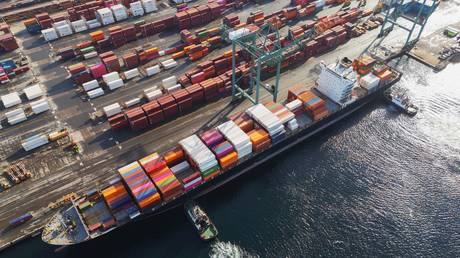
The obsession with mutual threat perception ignores economic reality. Trade between the two nations happens anyway, routed through third countries because direct commerce is politically toxic. Capital finds a way across borders long before diplomats do.
The Institutional Addiction to Conflict
Why does the narrative persist? Because institutional survival depends on it.
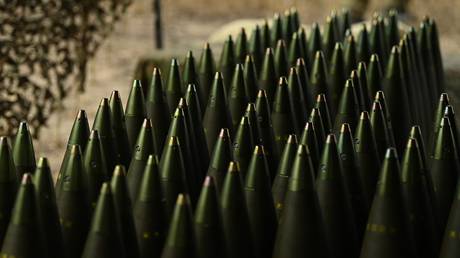
Think about the defense bureaucracies, the intelligence agencies, and the media conglomerates on both sides. Peace is an existential crisis for them. If the border goes quiet, budgets shrink. If rhetoric softens, cable news anchors lose their primetime slots.
We see the same dynamic in corporate turnarounds where failing management blames external market forces rather than their own bloated cost structures. Blaming the neighbor is the ultimate governance hack. It allows incompetent leaders to outsource responsibility for domestic misery to an external bogeyman.
When a survey reports that eighty percent of respondents view the neighboring state as the primary threat, it is not measuring grassroots animosity. It is measuring the success of state propaganda. The surprise is not that the number is high; the surprise is that ten percent of the population still sees through it.
The Real Threat Is Internal
The irony of the cross-border threat obsession is that both nations are bleeding from self-inflicted wounds while staring fixedly at each other across a fortified fence.
India's greatest vulnerability is not a squadron of aging fighter jets parked across the border; it is the staggering inequality tearing at the seams of its social fabric, coupled with institutional decay in its investigative and regulatory bodies. Pakistan's greatest vulnerability is not an intelligence agency operation; it is an extractive elite class that has hollowed out the state treasury, leaving a nuclear-armed nation begging the International Monetary Fund for pocket change every few years.
Fixating on the neighbor is a luxury neither country can afford. Every rupee spent on maintaining an inflated posture of permanent readiness is a rupee stolen from healthcare, primary education, and water security.
The next time a major polling outfit publishes a map of South Asia painted in angry shades of red and black, do not read it as a weather report. Read it as a balance sheet of political survival. The threat is not coming from across the border. It is coming from the people telling you to look there.