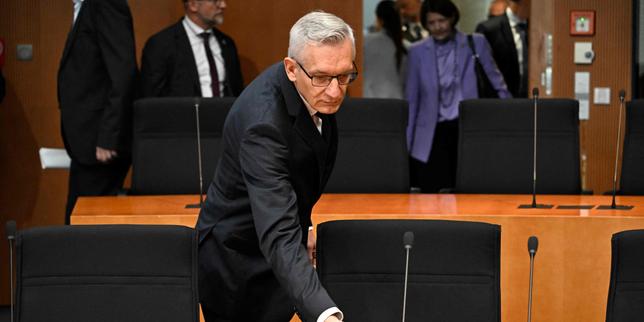
The traditional frontline in Ukraine gets all the headlines, but a quieter, more insidious campaign is playing out across the rest of Europe. Bruno Kahl, head of Germany’s foreign intelligence service (the BND), recently laid bare what security agencies have suspected for years: Moscow isn't just fighting inside Ukrainian borders. They're actively waging a hybrid campaign against Western democratic institutions right now.
Most people still picture espionage as trench-coated agents passing microfilms in dimly lit alleyways. That outdated movie trope blinds the public to what's actually happening. Today's confrontation involves cyber attacks, infrastructure sabotage, disinformation blitzes, and targeted provocations designed to test Western resolve without triggering a direct military response.
Moving Beyond the Battlefield
When intelligence chiefs sound the alarm, governments usually respond with polite diplomatic statements and minor policy adjustments. But Kahl's assessment carries extra weight because Berlin has historically tread carefully around relations with Moscow. If the BND is publicly calling out a shadow war, the threshold for quiet diplomacy has officially passed.
Think about what's been happening across European transit networks, communication cables, and energy grids over the past couple of years. Unexplained drone sightings over sensitive military sites, mysterious cuts to undersea data cables, and a surge in arson attempts targeting logistics hubs aren't isolated accidents. They form a deliberate pattern. Moscow wants to keep Western capitals guessing, bleed public support for Kyiv, and stretch emergency responders thin.
Operating below the threshold of Article 5 gives the Kremlin plausible deniability. If a warehouse storing military aid burns down under suspicious circumstances, it's easy for authorities to blame faulty wiring or insurance fraud. Local police forces rarely connect those local dots to a coordinated campaign orchestrated thousands of miles away. That separation is the entire point.
The Anatomy of Modern Hybrid Aggression
Let's look at how this strategy actually operates on the ground. It's cheap, effective, and hard to counter using traditional military deterrence.
- Digital Disruption: Regular distributed denial-of-service attacks aimed at government portals, hospital networks, and financial institutions keep IT security teams permanently on the defensive.
- Information Operations: Social media networks get flooded with fabricated narratives designed to pit citizens against refugees, inflame economic anxieties, and erode trust in democratic elections.
- Physical Sabotage: Using local proxies and recruited criminals—often hired through encrypted messaging apps for quick cash—to carry out low-level arson or vandalism against critical infrastructure.
The reliance on criminal proxies is particularly clever. If a local drug dealer gets caught trying to burn down a logistics warehouse, he's just a common criminal in the eyes of the court. The handler in Moscow stays completely insulated.
Why Deterrence Fails Here
Deterrence relies on clear consequences. During the Cold War, everybody understood the rules of the game. Cross a specific line, and expect a proportional response. But shadow warfare works precisely because it dances right along the edge of that line.
If a cyberattack takes down a municipal water billing system for six hours, is it an act of war? Probably not. Does it cost millions to fix and cause widespread public panic? Absolutely. Western democracies are built on open societies, freedom of movement, and rule of law. Those strengths become glaring vulnerabilities when an adversary decides to weaponize them.
You can't lock down every cell tower, rail switch, and fiber optic cable without destroying the very openness that makes Western economies function. Intelligence agencies know this, which is why defensive hardening alone won't solve the problem.
What Governments Are Missing
Naming the threat is a necessary first step, but public warnings won't stop the attacks. Western security services need to move faster in exposing these operations as they happen. Sunlight is the best disinfectant. When intelligence agencies preemptively publish details of planned sabotage plots—complete with intercepted communications and financial trails—they pull the rug out from under the operation.
Private companies operating critical infrastructure also need to step up their game. For decades, corporate cybersecurity and physical security were treated as separate line items, handled by people who never spoke to the national intelligence apparatus. That luxury is gone. Power companies, rail operators, and telecom giants are now frontline defenders whether they like it or not.
If you run a business with exposure to critical supply chains, you need to audit your physical and digital entry points today. Don't wait for a government advisory to tell you that your sector is a target. Assume that hostile actors are already probing your defenses, because statistically speaking, they probably are.
The shadow war isn't coming. It's already here, and ignoring it won't make it go away.