Brussels just stopped playing defense. After twenty-five years of bickering, false starts, and protests that literally saw farmers dumping manure on city streets, the European Union has finally pushed the Mercosur trade pact into the light. It’s not just another stack of dry regulatory papers. It’s a survival strategy.
With Washington leaning hard into protectionism and slapping 15% tariff ceilings on almost everything with a "Made in Europe" label, the EU had a choice. It could stay curled in a fetal position, or it could find new friends. It chose the latter. On May 1, 2026, the interim trade agreement between the EU and the Mercosur bloc—Argentina, Brazil, Paraguay, and Uruguay—provisionally took effect.
This isn’t about some sudden love for South American beef. It’s about cold, hard math. We’re looking at a market of over 270 million people that has been essentially locked behind some of the highest tariff walls on the planet. For decades, if you wanted to sell a car in Brazil, you were hit with a 35% tax. Machinery? Another 20%. Those walls are finally coming down, and it couldn't happen at a more critical moment.
The Trump Factor and the Pivot to the South
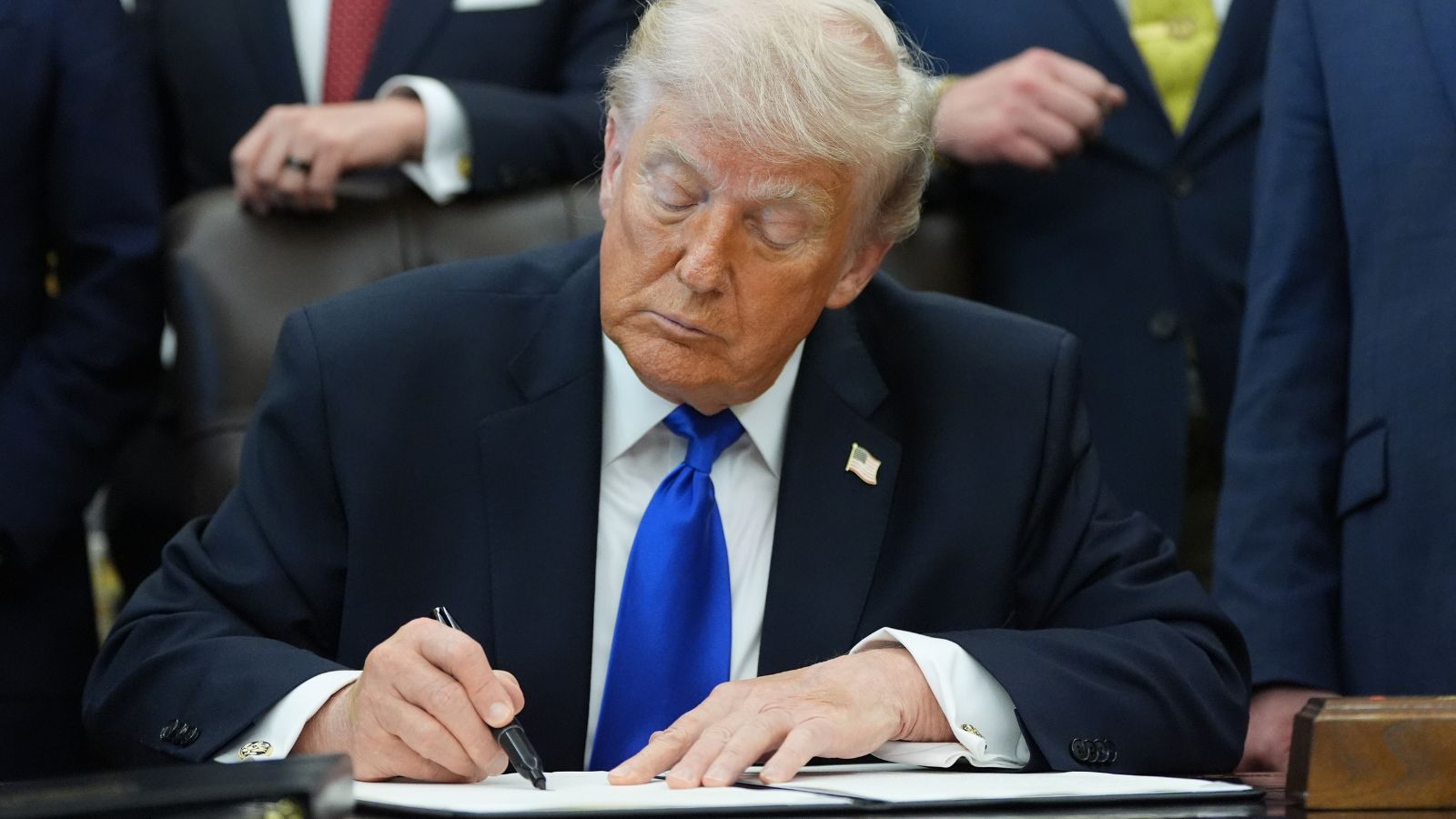
Let's be real about why this is happening now. The "Turnberry Deal" signed in 2025 between Ursula von der Leyen and Donald Trump was a band-aid, not a cure. It capped tariffs, sure, but it also signaled that the old transatlantic trade friendship is, at best, "it's complicated."
European exporters are getting squeezed. When the US—your biggest customer—starts talking about trade deficits like they're a personal insult, you don't wait for the next tweet to take cover. You diversify. The Mercosur deal creates a combined market of 700 million people. It’s a massive insurance policy against a US administration that’s increasingly skeptical of free trade.
By removing roughly €4 billion in annual duties, the EU is giving its pharmaceutical, automotive, and chemical sectors a massive vent to release the pressure. It’s a strategic pivot. While the US market is ten times larger than Mercosur's, the growth potential in South America is where the long-game is won.
It Is Not Just Cars for Cows
The loudest critics call this a "cars for cows" deal. They argue we’re sacrificing European family farms just to sell more Volkswagens and Airbuses. It’s a punchy slogan, but it’s mostly wrong.
I’ve looked at the fine print. The "safeguard" mechanisms in this 2026 version of the pact are aggressive. If Mercosur beef or poultry floods the market to the point of "serious injury" to EU farmers, the Commission can basically hit a kill switch and reimpose tariffs immediately. We’re talking about quotas that limit Mercosur beef to an extra 1.5% of total EU production. That’s a trickle, not a flood.
What the Deal Actually Changes
- Machinery and Car Parts: The 35% and 20% tariffs are being phased out, making European engineering significantly more competitive in the Southern Cone.
- Wine and Cheese: If you’re a French vintner or an Italian cheesemaker, you’re looking at the removal of 27-28% duties.
- Raw Materials: This is the part people miss. Europe is desperate for lithium and green hydrogen. This pact isn't just about selling things; it’s about securing the supply chains for the 2030s.
The Franco-German Engine is Finally Firing
For years, France was the brick wall. Emmanuel Macron, facing a domestic nightmare with angry farmers, couldn't afford to say yes. But the geopolitical reality changed the math in Paris.
Friedrich Merz, the new German Chancellor, has been much more aggressive about trade than Olaf Scholz ever was. Merz sees the Mercosur pact as a non-negotiable for German industry. Faced with a choice between protecting a few vocal agricultural groups and watching the entire manufacturing sector slide into a recession caused by US tariffs, Paris finally blinked.
It wasn't a total surrender. The EU added an "additional instrument" in 2025 that forces Mercosur to actually stick to the Paris Agreement on climate. If Brazil starts burning the Amazon again, the trade benefits stop. That gave Macron the political cover he needed to stop the veto.
Why This Matters to You
You might think trade deals are for billionaires in suits, but this hits your wallet directly. When the US puts a 15% tariff on a German car or an Italian handbag, the price goes up for everyone. By opening the Mercosur market, European companies can keep their production scales high, which helps keep prices stable back home.
Moreover, it’s about jobs. The Commission estimates this deal supports over 440,000 jobs in Europe. These aren't just factory jobs; they're in logistics, tech, and services. If you work for a company that exports anything, your job just got a lot more secure because your bosses aren't relying solely on a volatile US market.
The Legal Limbo
Don't think it's all sunshine and roses yet. The European Parliament has referred the deal to the European Court of Justice (ECJ). There’s still a lot of shouting about the "split" nature of the deal—the fact that the trade part is being implemented before the political cooperation part is fully ratified by every single national parliament.
Honestly, it’s a bit of a mess. But it’s a functional mess. The interim application means the business part starts now. While the lawyers argue in Luxembourg, the ships are already loading up in Hamburg and Santos.
What Happens Next
- Watch the Quotas: Keep an eye on the first wave of agricultural imports. If they stay within the 1.3-1.5% range, the farmer protests will likely fizzle.
- Industrial Orders: Look for an uptick in German and Italian industrial orders. If the Mercosur market responds as expected, we should see a 39% jump in EU exports to the region over the next few years.
- The China Reaction: China is currently Mercosur's biggest partner. They won't take this lying down. Expect Beijing to offer their own sweeteners to Brazil and Argentina to keep their influence.
The era of relying on a single "special relationship" with the US is over. Europe is finally acting like the global power it claims to be. It took a quarter of a century to get here, but in the world of 2026, being late is a lot better than being left behind.
Get your supply chains ready. The South is open for business.
Brazil's Lula Seals Mercosur-EU Deal In Defiant Trade Push
This video provides direct coverage of the historic signing ceremony in Brazil, offering a firsthand look at the political momentum behind the agreement.