In a small, cluttered apartment in Jakarta, a freelance animator named Maya hits "send." A 4GB file—a sequence of vibrant, high-definition characters destined for a European streaming platform—begins its silent journey across the ocean. In Lagos, a medical student opens a digital textbook hosted on a server in Virginia. In São Paulo, a teenager presses play on a song recorded in a London basement.
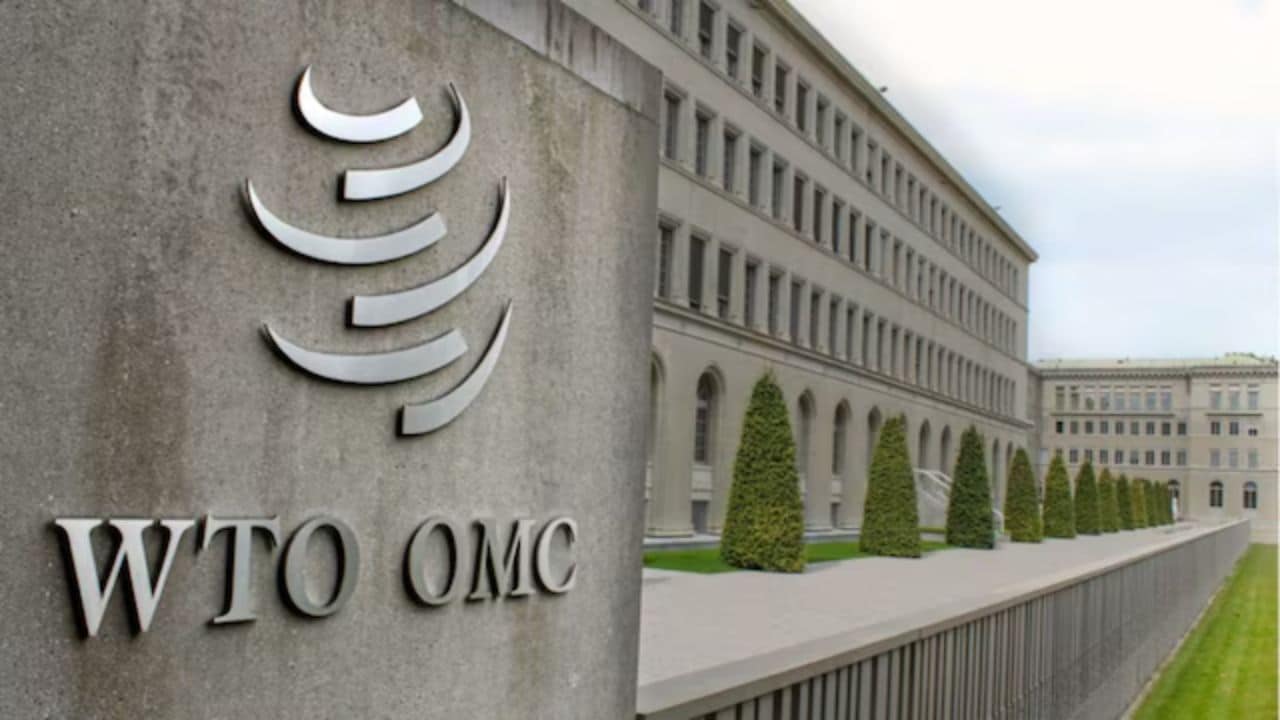
For twenty-six years, these digital handshakes have been weightless. Since 1998, the World Trade Organization has maintained a moratorium on customs duties for electronic transmissions. It was a gentleman’s agreement, a pact made when the "Information Superhighway" was a collection of flickering chat rooms and low-res images. The world decided that while a physical book or a DVD might be stopped at a border and taxed, the data itself should flow like air.
That air is getting thin.
The moratorium is currently standing on a trapdoor. At the WTO’s latest gatherings, a growing coalition of nations, led by India, South Africa, and Indonesia, has begun to pull the lever. They argue that the "digital tax holiday" is a relic of a colonial-style data economy that benefits only the giants of Silicon Valley while draining the coffers of the developing world. If the impasse isn't broken, the invisible borders are about to become very real, very expensive walls.
The Ghost in the Revenue Stream
Consider the math of a vanishing world. When a citizen in New Delhi buys a physical copy of a video game imported from the United States, the Indian government collects a duty. That money builds roads. It funds schools. But when that same citizen downloads the game through a digital storefront, the border is bypassed. The revenue vanishes.
To the officials in Geneva, this isn't about "innovation" or "connectivity." It’s about a massive, structural leak in their national budgets. Estimates suggest that developing nations are losing billions of dollars in potential customs revenue every year as the world shifts from atoms to bits. For these countries, the moratorium isn't a gift to the global consumer; it’s a subsidy for Big Tech.
The pushback is visceral. Governments want their cut of the digital revolution. They see Netflix, Disney+, Spotify, and Steam as massive pipelines of wealth flowing out of their borders with nothing left behind for the local treasury. By ending the moratorium, they could treat every movie stream, every software update, and every architectural blueprint sent via email as a physical import.
Imagine the friction.
The Friction of a Megabyte
If the moratorium expires, we enter the era of the Bit Tax. But how do you tax a ghost? Unlike a shipping container full of sneakers, a digital transmission doesn't wait at a port to be inspected.
The logistical nightmare is staggering. Would a government require an internet service provider to track every byte that crosses the line? Would Netflix have to calculate and pay a unique "data duty" for every country its subscribers live in? The administrative burden wouldn't be felt by the tech giants—they have the legal armies to navigate the chaos. It would be felt by Maya, the animator in Jakarta.
Suppose Maya’s 4GB file is suddenly subject to a 5% import duty in the EU. Who pays? Does she have to register for a tax ID in a country she’s never visited? Does the recipient deduct the tax from her paycheck? Or does the platform simply stop working with creators from "high-duty" regions because the paperwork is too heavy?
The beauty of the digital age was the removal of distance. The death of the moratorium puts distance back into the code.
A World Divided by Bandwidth
The stakes aren't just about corporate profits or government budgets. They are about the democratization of information.
For decades, the internet has functioned as a Great Leveler. A kid in a rural village with a cheap smartphone has access to the same MIT OpenCourseWare as a student in Cambridge. If digital duties become the norm, that access starts to fragment. Software updates—the very things that keep our devices secure from hackers—could become taxable events. In countries with less purchasing power, the cost of a digital subscription or a professional software license could jump just enough to push it out of reach for the middle class.
We are looking at the potential "balkanization" of the web. Each nation could create its own digital toll booth, turning the global commons into a series of gated communities.
The tech giants are, predictably, terrified. Organizations representing the likes of Google and Apple argue that duties will stifle the very growth that developing nations seek. They point out that taxing "transmissions" is fundamentally different from taxing "goods." A transmission could be a heart rate monitor’s data sent to a doctor, or a security patch for a power plant. If you tax the flow of information, you tax the nervous system of modern industry.
The Argument for the Exit
Yet, the critics of the moratorium have a point that is hard to ignore: the current system is lopsided.
When the moratorium was signed, the internet was an experiment. Today, it is the economy. The nations demanding an end to the tax-free ride aren't trying to destroy the internet; they are trying to find a way to survive within it. They argue that the "loss of revenue" is a form of digital colonialism. Why should a handful of corporations in California and Seattle harvest the data and dollars of the entire planet without contributing to the infrastructure of the countries they serve?
They want a seat at the table, and the moratorium is their only leverage. By threatening to impose duties, they are forcing a conversation about where the money goes. It’s a high-stakes game of chicken played with the fiber-optic cables that connect us all.
The Sound of the Gate Closing
There is a certain irony in our current moment. We have spent thirty years trying to make the world smaller, more connected, and more fluid. We celebrated the "death of distance." Now, we are watching the rebirth of the border.
The impasse at the WTO isn't a dry policy debate between men in suits. It is a fundamental disagreement about who owns the digital future. Is the internet a global utility, free from the tethers of geography? Or is it a collection of national territories, each with its own gate, its own guard, and its own price for entry?
If the gate closes, the internet won't disappear. It will just get heavier.
The "send" button will still work. But for the first time in a generation, we might find ourselves pausing before we click it, wondering exactly how much that invisible journey is going to cost us. We are moving from an age of abundance to an age of accounting. The weightless world is about to get its first bill.
Somewhere, Maya is still animating. The student is still reading. The music is still playing. But the silence of those digital handshakes is being replaced by the rhythmic, metallic click of a turnstile.