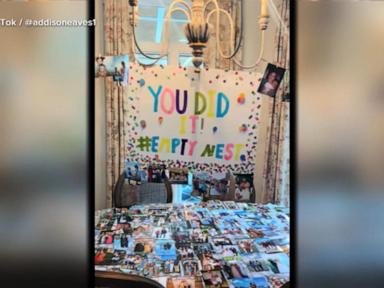
College drop-off season used to follow a predictable, tear-soaked script. You pack the sedan to the roof, drive your teenager to campus, assemble an XL twin bed in a hot cinderblock room, and cry in your car on the highway home. Parents bear the emotional brunt of the transition. They drive away to a quiet house, staring at an empty bedroom while wondering who they are now.
Students are flipping that dynamic completely on its head.
Instead of waiting for the silence to settle over the family home, creative teenagers are staging reverse sendoffs. They are throwing elaborate, tongue-in-cheek going-away parties for their parents before leaving town. It is part practical joke, part emotional buffer, and entirely genius.
The Reverse Dropoff Trend Explained
Let us be honest. Leaving for college is terrifying, but watching your parents try to pretend they are fine is worse. Kids notice the white-knuckled steering wheel grips and the forced smiles at grocery store checkouts. They see the grief coming.
So, rather than enduring a depressing goodbye breakfast, students are taking control. They are handing out tiny diplomas for surviving high school parenting. They are staging mock dorm room setups in the living room complete with painters tape and plastic storage bins. Some are even putting together emotional survival kits for the parents left behind.
These parties are not just for social media clout. They serve a real psychological function. Laughter short-circuits anxiety. When you force your mom to sign a fake roommate agreement about who gets control of the television remote once you are gone, you break the heavy tension in the room. You humanize a massive life change.
What Parents Actually Experience When the Nest Empties
Most articles about empty nesters focus entirely on the parental side of the equation. We hear about the silence. We read advice on picking up pottery classes or adopting rescue dogs. But society rarely talks about how much anxiety kids carry regarding their parents' well-being.
Teenagers worry about leaving their support systems behind. They wonder if their parents will turn on each other, fall apart, or lose their collective minds without daily chaos to manage.
By flipping the script, the student becomes the host. They take care of the parents for one final afternoon. You cook the meal or order the takeout. You hand your dad a coffee mug that says world's okayest solo resident. You give them permission to be sad while also giving them permission to move on.
I talked to families who incorporated these reverse sendoffs into their August routines. The consensus is surprisingly uniform. The actual drop-off day on campus feels less like a funeral and more like a normal Tuesday. The emotional heavy lifting happened a week earlier over cake and bad jokes.
How to Stage Your Own Reverse Sendoff Without Being Weird
If you want to try this out before heading to campus, keep it loose. Do not make it a formal production. Nobody wants a structured itinerary when they are already stressed about tuition payments and packing lists.
Keep the jokes grounded in real household dynamics.
- The Chore Reassignment Treaty: Draft a ridiculous contract passing down mundane household tasks. Make your younger sibling or your parents officially sign over responsibility for taking out the trash or cleaning the gutters.
- The Survival Basket: Fill a laundry basket with items your parents will desperately need. Think cheap wine, noise-canceling headphones, and maybe a framed photo of you looking slightly less annoying than usual.
- The Mock Move-In: Spend twenty minutes reorganizing a random corner of the living room into a tiny, claustrophobic faux dorm. Refuse to let your parents use the good bathroom until they pay a fictional campus housing fee in cash or snacks.
Why This Shift Matters for Modern Families
We live in a culture that over-sanitizes major life milestones. Graduation cards are syrupy. College sendoff guides read like medical manuals for grief management. We treat growing up like a tragedy instead of a normal biological process.
Teens today reject that false solemnity. They prefer gallows humor and shared absurdity. They know their parents are hurting, but they also know that humor works better than crying into a steering wheel.
When you flip the script, you change the power dynamic. You stop being the helpless kid being shipped off to the wolves. You become an independent adult acknowledging the people who got you to the starting line.
Drop-off day is still going to hurt. The silence in the house is still going to feel loud on that first Tuesday night. But laughing about it together beforehand changes the memory. It turns a painful goodbye into a collective inside joke, and honestly, that is the best way to survive growing up.