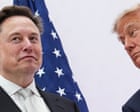
One million dollars a day sounded like a wild stunt even by Silicon Valley standards, right up until the courtroom receipts started piling up. In mid-October 2026, Elon Musk and America PAC agreed to settle lawsuits over the 2024 election lottery just months after a federal judge ordered Musk to take the witness stand.
Let's cut straight to what happened. The lawsuits accused Musk and his political action committee of misleading swing-state voters by promising daily $1 million giveaways to randomly chosen signers of a petition supporting the First and Second Amendments, when winners were actually vetted and selected as spokespeople. By settling in October 2026 under confidential terms, Musk avoided testifying under oath in those suits, while continuing to deny wrongdoing.
How the 2024 Election Lottery Actually Worked
Back in October 2024, America PAC rolled out a petition aimed at registered voters in seven battleground states: Arizona, Georgia, Michigan, Nevada, North Carolina, Pennsylvania, and Wisconsin. Shortly after launching the petition, Musk announced at a Pennsylvania town hall that the group would hand out $1 million a day until Election Day to people who signed it.
For voters on the fence, it looked like a classic high-stakes sweepstakes. Sign a pledge backing free speech and the right to bear arms, hand over your contact and voter registration details, and get a shot at a life-changing check.
Except the "random" part quickly became the central battleground in court. During 2024 court proceedings in Pennsylvania, a representative for the PAC testified that recipients weren't simply pulled at random from a hat; instead, the organization looked for signatories whose backgrounds and stories fit what it wanted in a spokesperson. Reports following the campaign noted 18 $1 million recipients tied to the sweepstakes push.
From a political marketing perspective, I get why the PAC wanted curated spokespeople rather than pure chance. If you're spending tens of millions of dollars to turn out voters in tight states, you want winners who can articulate your message on camera and social media. The problem isn't picking spokespeople—it's advertising a giveaway as random while collecting personal data from over a million people who assumed they had a fair shot.
Why Voters Sued Over Data and "Predetermined" Winners
Most headlines focus on election law or campaign finance drama, which honestly misses the sharpest legal hook in the private lawsuits. Plaintiffs alleged they were induced to hand over personally identifiable information (PII)—names, addresses, phone numbers, and voter status—under the false impression that they had a genuine random chance to win $1 million.
If you've ever worked in digital growth or consumer marketing, you know how valuable a verified list of battleground-state voters is. Canvassers pay dearly for accurate contact details and registration data during a close election cycle. When a promotion promises a lottery-style payout in exchange for personal data, consumers treat the odds as part of the bargain. Once plaintiffs argued that winners were predetermined and that they wouldn't have shared their information otherwise, claims under fraud and consumer protection laws gained real traction—surviving early dismissal efforts in federal court.
Defendants denied the allegations and maintained there was no fraud, while settlement terms were kept under wraps. Still, the legal theory itself is a warning shot for any campaign or brand using sweepstakes mechanics to build a contact database. Calling something "random" when selection criteria are doing heavy lifting behind the scenes invites lawsuits even if nobody gets rich off the litigation.
Avoiding Testimony and Navigating Election Fallout
A turning point arrived in June 2026, when a federal judge ruled that Musk would have to testify in the lawsuits. For a public figure who thrives on sparring online and at rallies, sitting for formal questioning under oath—where every prior statement, text, or internal assumption can be tested line by line—is a completely different beast.
Settling in October 2026 spared Musk that courtroom ordeal ahead of the November midterms, even as broader legal and political scrutiny around high-dollar voter incentives didn't simply vanish. Following Musk's separate $1 million check giveaways tied to a 2025 Wisconsin Supreme Court race—which ended in a lopsided loss for the conservative-backed candidate—a Wisconsin elections board found that Musk likely broke state law by promising voters $1 million payouts, leaving prosecutors to weigh potential charges. Meanwhile, the U.S. Department of Justice had previously warned America PAC about potential federal law risks surrounding the sweepstakes.
There's a bigger takeaway here about how political spending has evolved. Super PACs have long poured massive sums into ads and ground games, and Musk has remained a towering financial force in conservative politics across both the 2024 cycle and the 2026 midterms. Yet tying cash prizes directly to voter petitions tests the line between political speech, promotional marketing, and state or federal election rules.
What This Means for Campaigns, Voters, and Marketers
If you're running a campaign, building a grassroots petition, or designing a promotional giveaway, don't treat "random" as a casual throwaway word. Write clear, verifiable eligibility and selection rules, never imply pure chance if human vetting is involved, and be transparent about how personal data will be used once someone signs up.
If you're a voter or everyday user looking at a splashy online pledge or sweepstakes, pause before handing over your phone number, home address, and registration info. Check the official rules for how winners are picked, remember that free giveaways tied to political petitions are primarily voter-contact tools, and don't let a headline number make you gloss over the fine print.
Watch the report on Musk settling the $1 million sweepstakes lawsuit for a quick visual recap of how the court battle unfolded.