Celebrity charity stunts usually elicit an eye roll. You see a famous actor run a few miles, pose for cameras, collect a massive check, and fly back home.
When Edward Norton lined up for the 2009 New York City Marathon, he did something different. He didn't just run for awareness. He dragged himself across the asphalt alongside Maasai warriors to fund a model that actually lets indigenous communities keep their land.
If you look past the Hollywood headline, you find a masterclass in how conservation funding should actually work.
Moving Past Traditional Eco-Tourism
Most conservation projects in East Africa rely heavily on traditional tourism. Tourists pay hefty lodge fees, take photos of lions, and leave.
That money helps, but it is fragile. Political unrest, global recessions, or a sudden drop in travel can wipe out conservation budgets overnight. Norton recognized this structural flaw. As a board president for the Maasai Wilderness Conservation Trust (MWCT), he knew that keeping the African savanna intact required giving local people a direct, reliable economic stake in its survival.
If local communities can't make a living from protecting wildlife, they will eventually have to clear the land for farming or livestock grazing. It is a matter of basic survival, not malice.
Bringing the Savanna to the Asphalt
Training for a marathon is brutal. Doing it when you have never run one before, while balancing a Hollywood career, sounds miserable.
Norton admitted he panicked almost immediately after signing up. Yet the real story wasn't just about an actor pushing through twenty-six point two miles of concrete and cheering crowds. It was about who ran with him.
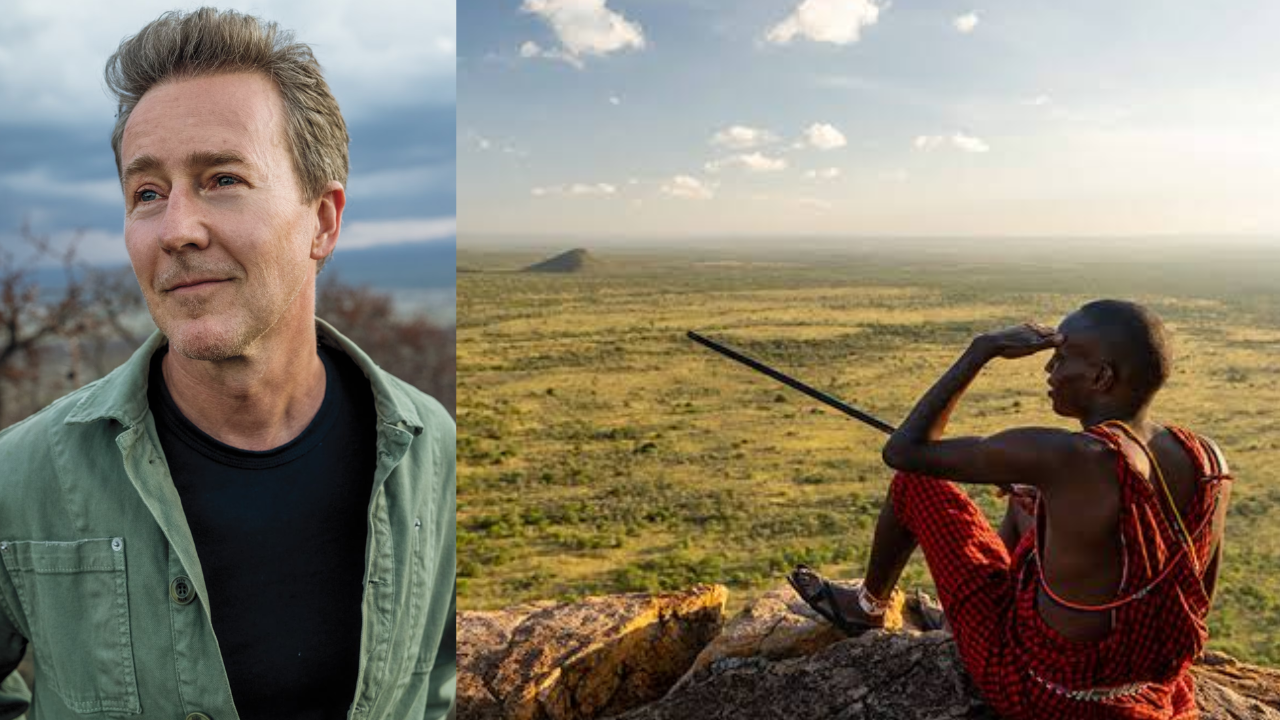
Three Maasai warriors, including community leader Samson Parashina, joined Norton on the team. Imagine growing up running across the rugged, wide-open expanses of the Kenyan wilderness, only to find yourself navigating the gridlock, noise, and towering skyscrapers of Manhattan. They even had to decide whether to ditch their traditional footwear for standard running shoes on the punishing city pavement.
The visual was striking. It forced global media to look beyond standard wildlife documentaries and pay attention to the human element of land stewardship.
Where the Money Actually Went
The campaign raised substantial funds, but more importantly, it put a massive spotlight on a decentralized conservation approach.
The MWCT focuses on protecting hundreds of thousands of acres of critical wildlife habitats, migration corridors, and vital water sources in Kenya. Instead of fencing off land and kicking indigenous people out—a deeply flawed colonial model known as " fortress conservation"—this initiative employs local Maasai rangers.
These rangers use GPS tracking to monitor wildlife populations, prevent poaching, and manage human-wildlife conflict alongside the Kenya Wildlife Service. By paying local people salaries for ecosystem services, the land becomes more valuable alive than cleared.
What We Can Learn From This Model
Real conservation isn't about passive philanthropy. It is about alignment of incentives.
When you strip away the celebrity gloss, the 2009 marathon stunt succeeded because it highlighted systemic self-sufficiency. Norton used his fame as a megaphone, but he handed the mic straight to the people doing the daily work on the ground.
Next time you see a celebrity attached to an environmental cause, look for the mechanics behind it. Ask yourself whether the project creates long-term local autonomy or just temporary PR. The projects that survive are the ones built by the communities who live there.