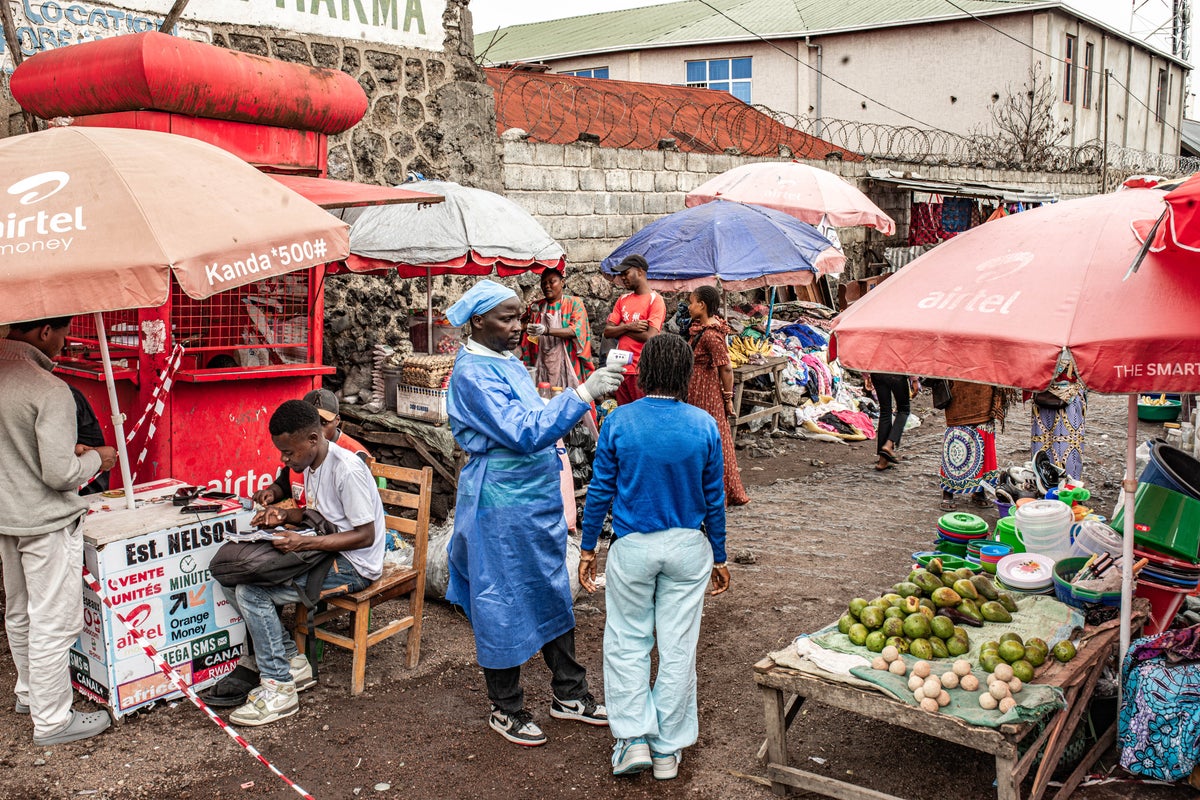
The World Health Organization just pulled its favorite lever. By declaring a Public Health Emergency of International Concern (PHEIC) over the latest Ebola outbreak spanning the Democratic Republic of Congo and Uganda, the Geneva bureaucracy did exactly what it always does. It sounded the alarm. It triggered the funding sirens. It sent editors into a frenzy.
It also completely misdiagnosed how to build resilient health systems in East and Central Africa.
Every time Ebola crosses a border, the global health apparatus defaults to a copy-paste playbook. They treat a localized viral flare-up like an existential threat to London, New York, and Tokyo. This panic-and-neglect cycle satisfies a Western media appetite for contagion narratives, but it actively harms the communities it claims to protect. Treating Ebola as the ultimate apex predator of public health is a costly, distorting illusion.
We need to stop managing global health through the lens of Hollywood outbreak scripts.
The Mirage of the Apex Predator
The standard narrative tells you that Ebola is an unstoppable juggernaut threatening global stability. The reality is far less cinematic. Ebola is a brutal, horrific disease, but it is also an exceptionally poor traveler.
Because it requires direct contact with bodily fluids of a symptomatic patient, it does not spread like a respiratory pathogen. It does not hide in the air. In terms of sheer transmission velocity, it is a clumsy virus. When an outbreak occurs, the immediate response should be precision containment, localized contact tracing, and targeted deployment of existing tools like the Ervebo vaccine.
Instead, the PHEIC declaration treats the situation like a generalized regional meltdown.
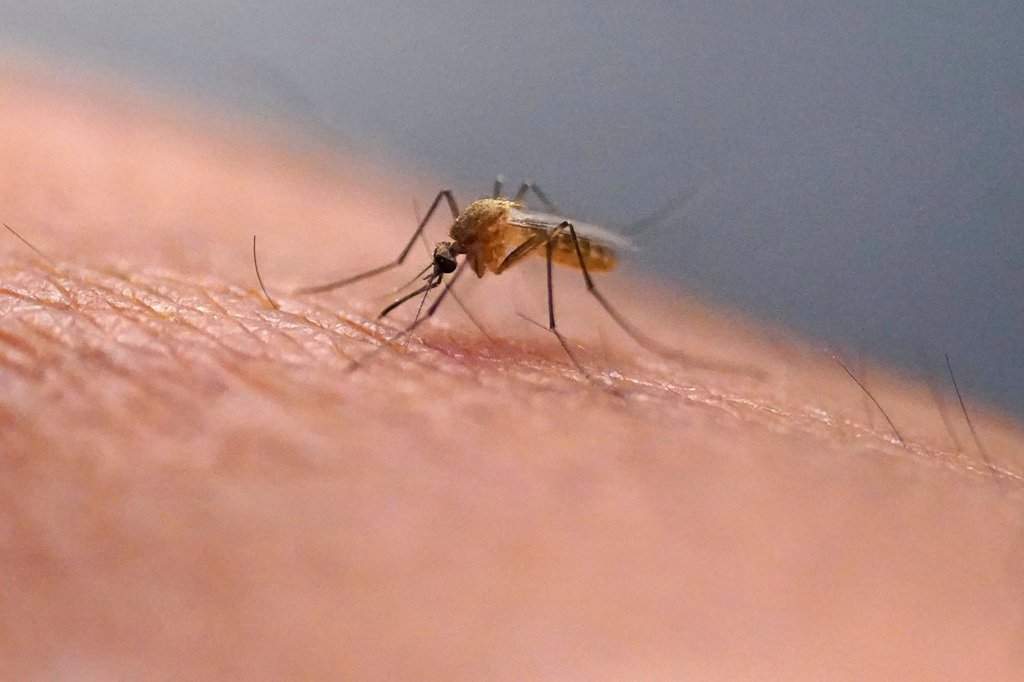
When you look at the raw data, the prioritization becomes indefensible. While the international community scrambles to redirect millions of dollars to combat a few hundred Ebola cases, other entirely preventable diseases are quietly executing a slaughter.
| Disease | Annual Mortality in Sub-Saharan Africa (Approximate) | Global Media/Funding Urgency |
|---|---|---|
| Malaria | 500,000+ | Low (Perpetual Background Noise) |
| Tuberculosis | 400,000+ | Low (Chronically Underfunded) |
| Measles | 100,000+ | Minimal (Until a major crisis hits) |
| Ebola | Varies (Hundreds to a few thousand in peak years) | Extreme (Global Emergency Status) |
I have spent years analyzing health crisis responses and watching international agencies divert local medical staff from routine immunization clinics to staff specialized Ebola treatment centers. The result? Routine vaccination rates drop. Measles surges. Malaria surveillance lapses.
By obsessing over the exotic threat, the global health apparatus routinely allows the mundane killers to claim double the casualties.
Dismantling the "People Also Ask" Illusions
The public debate around these declarations is warped by fundamental misunderstandings about how infectious diseases work in developing economies. Let us strip away the sanitised rhetoric and answer the actual questions driving public anxiety.
Will this outbreak turn into a global pandemic?
No. The probability of a localized Ebola outbreak in Central or East Africa turning into a sustained global pandemic is near zero. The transmission mechanics simply do not support it. Air travel can carry isolated cases to other continents, as we saw in 2014, but Western hospitals with basic infection control protocols stop the virus cold. The panic is a byproduct of geographical bias, not epidemiological risk.
Why does the WHO declare an emergency if the risk to the West is low?
The PHEIC mechanism is less about actual epidemiological danger to the globe and more about international financing. It is a bureaucratic distress flare. The WHO knows that the international community rarely honors its funding commitments for routine health infrastructure. The only way to get donor countries to open their wallets is to threaten them with a border-crossing boogeyman. It is operational blackmail disguised as science.
Does international aid solve the underlying crisis?
Historically, it creates a toxic dependency loop. Parachuting in highly specialized, short-term emergency teams creates a temporary bubble of capability. When the outbreak ends, the tents are packed up, the four-wheel-drive vehicles are driven away, and the local clinic is left with the same broken infrastructure, lack of running water, and unpaid staff it had before.
The Perils of Emergency-Driven Medicine
Imagine a scenario where a local hospital chief in rural Uganda needs to fix a broken maternal health ward. For years, she begs international donors for fifty thousand dollars to secure reliable electricity and clean water. The donors decline; it is not sexy enough. Then, three cases of Ebola are suspected twenty miles away. Suddenly, cargo planes land filled with personal protective equipment, experimental therapeutics, and millions of dollars in earmarked emergency funds.
The hospital chief is forced to reassign her few qualified nurses to an empty Ebola isolation unit just to access the temporary funding stream. Meanwhile, women continue to die of postpartum hemorrhage in the dark.
This is not a hypothetical example. It is the structural reality of emergency-driven medicine.
The declaration of a global emergency causes an immediate distortion of local labor markets. International NGOs flood the zone, offering local doctors and nurses daily rates that double or triple their government salaries. This hollows out the primary care system. The regular clinics lose their best talent to the emergency industrial complex.
Furthermore, the hyper-focus on Ebola creates massive blind spots. In 2019, during a prolonged Ebola outbreak in the DRC, a concurrent measles epidemic quietly infected over three hundred thousand people and killed more than six thousand—mostly children. The measles outbreak killed more than double the number of people taken by Ebola in the same region, yet it struggled to capture even a fraction of the international funding or media attention. The money followed the emergency label, not the body count.
The Trust Tax: Why Top-Down Mandates Fail
The biggest casualty of the emergency playbook is community trust. When international teams arrive clad in head-to-toe yellow biohazard suits, speaking through respirators, and demanding radical changes to deeply ingrained cultural burial practices, the local reaction is not gratitude. It is terror. And frequently, it is active resistance.
[Top-Down Emergency Intervention]
       │
       ▼
[Community Alienation & Terror]
       │
       ▼
[Hidden Cases & Evaded Contact Tracing]
       │
       ▼
[Prolonged Outbreak Duration]
The competitor narrative suggests that the main barrier to stopping Ebola is a lack of international coordination or funding. That is an elite delusion. The real barrier is the profound alienation of the local population by a top-down, militarized medical response.
When you treat a community purely as a vector of disease to be contained rather than a partner to be empowered, people hide their sick. They bury their dead at night in secret. They avoid the treatment centers because they see them as places where people go to die alone.
True resilience cannot be imported via a cargo plane during a crisis. It is built incrementally by investing in the people who are there before the outbreak starts and who will remain long after the international cameras leave.
Redirecting the Strategy
If we want to actually stop these outbreaks from recurring, we have to dismantle the entire emergency declaration framework and replace it with a model focused on structural equity.
- Decentralize the Funding Streams: Block grants must be shifted away from Geneva-controlled emergency funds directly into the budgets of regional African health ministries. These funds should be flexible, allowing local authorities to build permanent, multi-purpose isolation wards that can treat cholera today, measles tomorrow, and Ebola if it appears.
- Train Permanent Local Surveillance Teams: Instead of flying in Western epidemiologists when a crisis hits, fund permanent, well-paid networks of community health workers who understand local languages, customs, and dynamics. They are the ones who detect the first unusual cluster of deaths weeks before the WHO even registers a blip.
- Democratize Vaccine Production: The manufacturing capacity for critical countermeasures must be distributed. Keeping vaccine production concentrated in the global North ensures that access remains a matter of charity rather than a matter of right. Regional manufacturing hubs in Africa must be fully capitalized to produce routine vaccines alongside emergency stockpiles.
The downside to this approach? It lacks drama. It does not produce gripping headlines or opportunities for politicians to give speeches about saving the world from a deadly plague. It is slow, tedious, unglamorous work. It involves fixing supply chains, training laboratory technicians, and ensuring a steady supply of basic antibiotics and clean needles.
But it is the only strategy that works.
The global health apparatus needs to drop the theater of the panic cycle. The current declaration over the Congo and Uganda borders is not an act of heroic intervention; it is an admission of systemic failure. Stop waiting for the fire to erupt before you invest in the plumbing. Turn off the sirens, scrap the emergency playbook, and fund the foundational infrastructure that prevents the spark from becoming a blaze in the first place.