Bathroom shelves hold quiet things. Bottles of lotion, tubes of paste, and round white containers of powder that smell like babies and mornings. For generations, that scent meant clean. It meant comfort. It lived in nurseries, tucked neatly beside changing tables, a white dust shaken out into the air like a tiny, gentle fog.
Nobody suspected the dust.
Because suspicion requires a crack in the routine. When you trust a brand that has sat in your family medicine cabinet since your own childhood, you do not look closely at the label. You do not wonder about the earth from which the minerals were mined, or the subterranean faults where stone grinds against stone over millions of years, occasionally trapping whispers of things that do not belong.
Then the whispers grew loud.
Thousands of voices began to speak at once, scattered across courtrooms, hospital rooms, and quiet living rooms. They spoke of ovarian cancer. They spoke of mesothelioma. They pointed fingers directly at the white powder. For years, the corporate machinery pushed back, offering standard defenses, assembling legal shields, and fighting a war of attrition.
Money talks. But human grief has a way of outlasting it.
Now, a number hangs in the air like smoke. Five point five billion dollars.
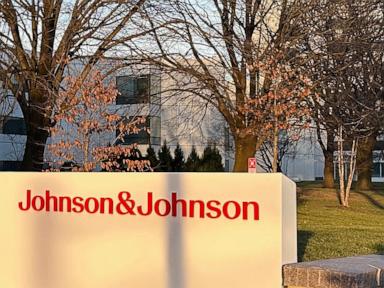
It is a staggering figure, designed to stop a marathon legal fight that has spanned decades. Johnson and Johnson has proposed this multi-billion-dollar settlement through its subsidiary, Red River Talc, hoping to draw a final line under tens of thousands of lawsuits. The plan is not a simple transaction. It is a bankruptcy maneuver, a complex corporate restructuring aimed at bundling claims, putting votes to affected plaintiffs, and sealing a chapter that has eroded public trust grain by grain.
Consider what happens next.
Votes are cast. Courts weigh the fairness of the payout. Plaintiffs face an agonizing choice between a guaranteed sum now or the infinite, draining uncertainty of a continued trial. Behind the legal filings and the dry financial metrics lie the real stakes: individuals whose lives were upended by an invisible contaminant. Asbestos does not announce its arrival. It drifts silently, lodging where it should never go, waiting years to reveal its damage.
The company maintains its position, insisting the product is safe and asbestos-free. Yet the checkbook opens wider and wider.
That contradiction sits at the heart of the modern corporate crisis. You can argue safety in briefs, but when billions change hands to clear the docket, the message shifts. It tells a story of risk management, of calculated exits, and of an era closing.
Step back into that bathroom. The powder is gone from many shelves now, replaced by cornstarch alternatives or simply empty space. But the cultural memory remains. We look at everyday household goods differently now. We read the fine print. We question the corporate giants who promised us safety in a bottle.
The dust has settled, but the footprint remains deep.


